
-
Description text goes here
Prefer to follow us on Apple Podcasts, Spotify (or your other favorite platform)?
Click here to find our show. Give us a follow to be sure you don’t miss new episodes!
Choosing Possibility: A Conversation on Optimism, Awareness, and Nature-Based Coaching with Adam Bouse
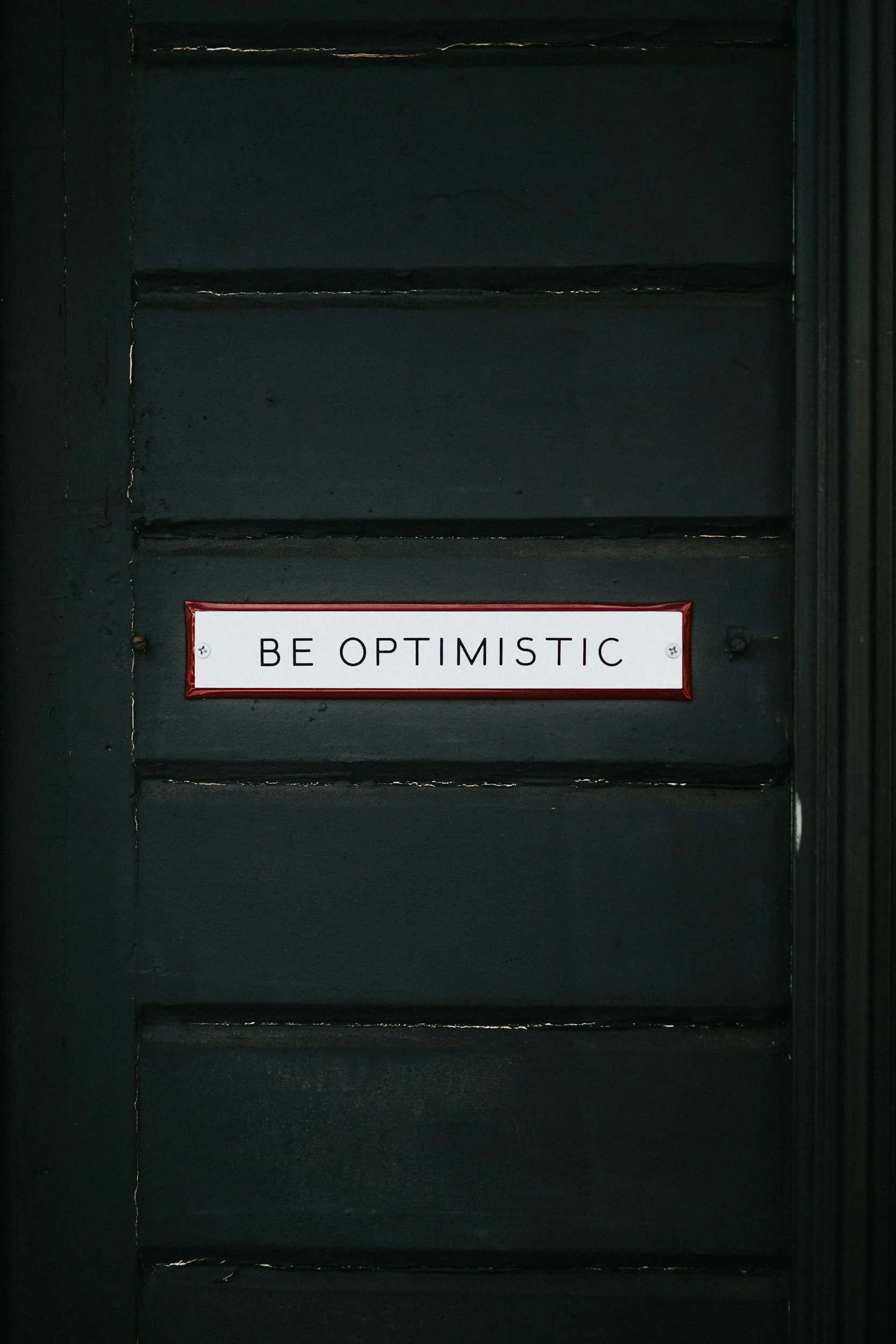
In this week’s episode, we sit down with Adam Bouse, founder of Optimistic Coaching, to explore what it really means to choose possibility in the midst of uncertainty. Adam brings an honest and grounded approach to optimism, emotional intelligence, and resilience, shaped by his own journey of imbalance, self-awareness, and course correction.
Adam’s Path to Optimistic Coaching
From Imbalance to Insight
Adam began his professional life in Oklahoma, working with teams and navigating his own emotional intelligence profile along the way. When he completed the EQI 2.0 assessment, he discovered something that will resonate with many of us: his empathy was high, but his decision-making was underdeveloped. That imbalance made leadership harder than it needed to be.
A Turning Point
Rather than powering through, Adam chose to work with a coach to understand what was happening beneath the surface. That work helped him build balance, clarity, and confidence. It also sparked a deeper curiosity that eventually led him to become certified in the EQI 2.0 himself. Today he brings that perspective into his coaching, helping others develop self-awareness and navigate their internal landscape with intention.
The Foundation of Optimistic Coaching
Believing in Human Possibility
At the heart of Adam’s work is a simple premise: people are capable of growth, resilience, and meaningful change when they feel a sense of belonging and worthiness. Adam uses the word “love” in a professional context, not in a sentimental sense, but as an acknowledgment of our shared humanity.
Redefining Optimism
Adam draws a sharp distinction between the optimism we often imagine and the optimism he teaches. Dispositional optimism is a temperament. The optimism he champions is a choice: deciding to look for possibility in an unknown future. This form of optimism is active, intentional, and grounded. It asks us to believe that options exist, even when uncertainty is high.
Beyond the “Glass Half Full”
Clearing Up Misconceptions
We talk about the typical caricatures of optimism, including the “half-full glass” analogy and the pressure to project positivity at all times. Adam makes it clear that grounded optimism does not ignore pain, fear, or complexity. That version veers into toxic positivity, something he pushes against.
Grounded and Tragic Optimism
Adam shares the difference between learned or grounded optimism and the temperament-based variety. We explore Viktor Frankl’s concept of tragic optimism, which asks us to hold both suffering and hope at the same time. Adam brings his own experiences with grief into the discussion, offering an honest look at how loss can deepen our understanding of resilience.
How Perception Shapes Our World
Bias, Distortion, and Self-Awareness
We dig into the role of cognitive biases and distortions and how they influence the stories we tell ourselves. Adam highlights the power of interoception, our ability to sense what is happening inside our bodies, and why it matters for decision-making.
He shares a study of financial traders whose interoceptive skills correlated with performance. Those who could read the signals of their own body had a better sense of risk and timing. It is a powerful example of what becomes possible when we slow down enough to listen.
Tools for Presence
Mindfulness, meditation, and nature walks come up as accessible ways to strengthen this internal awareness. These practices help reduce stress, regulate the nervous system, and create openings for clearer thinking.
Nature as a Coaching Partner
Why Nature Matters
Adam incorporates nature-based coaching into his work, grounded in evidence showing how time in nature supports our physical and mental health. Improvements in immune response, lower blood pressure, and reduced stress are all part of the picture.
Forest Bathing and Reorientation
We talk about forest bathing and other practices that help us reconnect with the natural world. Adam describes nature as a way to reorient our challenges. When we step into a larger ecosystem, our problems become contextualized rather than minimized. That shift often creates space for perspective and calm.
Applying Optimism in Real Life
Setting Realistic Expectations
We discuss what it means to use optimism not as cheerleading but as a practical tool. That includes setting expectations that reflect reality, pacing ourselves, and recognizing that doing less is sometimes the most capable choice available.
Managing Energy and Practicing Self-Compassion
Adam shares how he manages his own energy as a coach and business owner. He talks about self-compassion, honoring limits, and giving ourselves grace when we fall short of idealized goals.
Everyday Joy
Small, grounding practices come up again. Walking. Pet time. Quiet moments. These are not luxuries, but accessible sources of presence that help us recover, reset, and move forward with more intention.
Closing Thoughts and Where to Learn More
Adam closes the conversation with an invitation: stay curious, stay creative, and stay generous with yourself and others. He encourages listeners to explore nature-based coaching, reflect on their own internal patterns, and consider how grounded optimism might help them navigate whatever comes next.
He also offers a free 90-minute discovery session for those interested in exploring these ideas more deeply.
Links: Optimism Coach