So What Exactly Is Coaching Anyway?

Photo courtesy of Unsplash.

Photo courtesy of Unsplash.

In this week's episode we sit down with return guest Alisa Tijerina who switches it up and asks us all of her questions about coaching: what it is, who it's meant for, how to find a coach, and more. If you've ever wondered what exactly coaching entails and whether it's right for you, this is your episode!

Transcript below:

Erica D'Eramo 0:10

Hello, and welcome to the Two Piers podcast, Season Two. Today we're going to switch it up a little, we have a return guest, our first return guest, Alisa Tijerina, who joined us at the beginning of the pandemic, is back to join us again. And today we're going to change roles a bit. So instead of me asking the questions, Alisa has a bunch of questions for me about coaching, and what coaching is and involves. And so we thought we should just record this conversation and make it available for our podcast listeners, because we get a lot of questions about what is coaching.

Erica D'Eramo 0:54

So welcome, Alisa.

Alisa Tijerina 0:57

Thank you, Erica. I'm glad to be back.

Erica D'Eramo 0:59

Yeah, it's good to have you here. So what are some of your questions?

Alisa Tijerina 1:04

So I know you're a coach, tell me what, what is a coach?

Erica D'Eramo 1:07

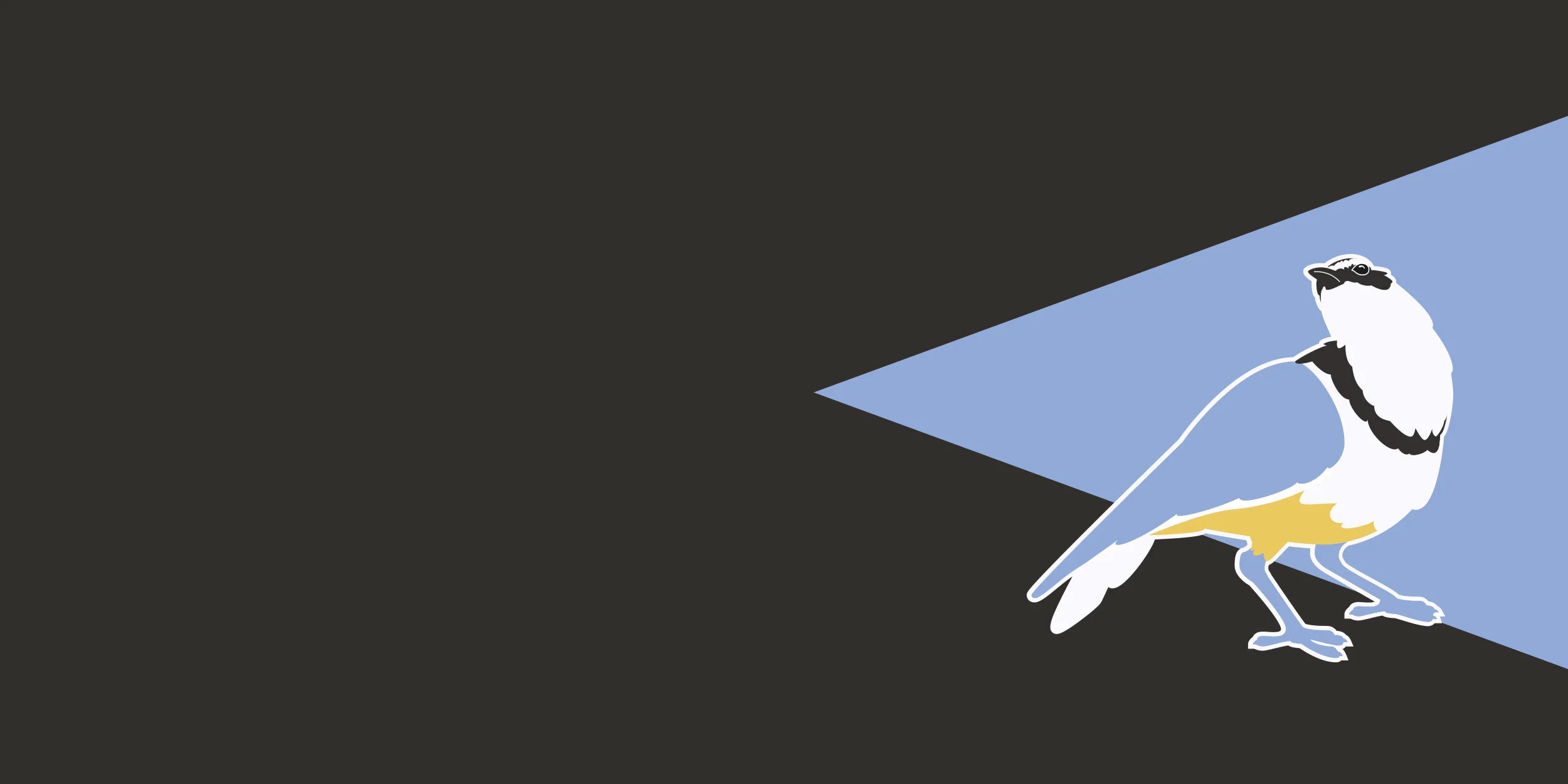
Yeah, I mean, we get this question all the time. A coach can mean a lot of different things. In this context, we're not talking about a sports coach, because that's somebody who kind of gives people directions and, and kind of tells people what to do. And that's actually the opposite of the type of coaching that we're talking about. So what we're talking about is what the International Coaching Federation defines as partnering with clients, so a coach partners with their client, in a thought provoking and creative process that inspires them to maximize their personal and professional potential. So coaching, as defined by ICF, often unlocks previously untapped sources of imagination, productivity, and leadership. So it's really about two peers, there's not a hierarchy in coaching, two peers coming together. And the coach can shine a light for the client. I really liked an analogy presented to me by one of my instructors, that, you know, the coach walks alongside the client and just shines a flashlight to help the client decide where they want to go and what their decisions are. But it's very much client driven and client led, and the coach is there to help facilitate.

Alisa Tijerina 2:24

Very cool. Okay, so what is not coaching?

Erica D'Eramo 2:28

Yeah, there are a lot of things that look like coaching that are not actually coaching. So sometimes what we do in coaching can look a lot like therapy, because there's a lot of questions. There's a lot of introspection, but it's not therapy. So therapy looks backwards, right, therapy is looking at previous events and experiences and, and it is in the context of working with a professional therapist who is certified. And, and sometimes in a clinical setting. So therapy is more, you know, backwards looking to address current issues. Whereas coaching is very much forward, focused, looking at your goals and what you need to do to be able to achieve those goals. The other thing that coaching is not that it often gets confused with is it's not mentoring, because again, mentoring has a hierarchy to it like a mentor is usually a more experienced person, a mentor will give advice, coaches really kind of try to stay away from giving advice, because then it's coming from the coach. And the coach is essentially telling the client, I know better than you. And we don't want that in coaching. There's a great TED talk that addresses this by someone in the coaching worlds called Michael Bungay Stanier. And his TED Talk is called The Advice Monster. So I highly recommend looking at The Advice Monster, you'll probably never view advice the same way again. And then coaching is not consulting. So again, consulting is kind of giving solutions and being the expert. And a lot of times when people think that they're looking for a coach, what they're actually looking for is someone to tell them what the answers are. So if that's what you're looking for, you should probably find a mentor or a consultant. But if what you want is to discover the answers, and have someone help guide you through that, through kind of a developed process, then a coach is a great place to start.

Alisa Tijerina 4:30

Wow, thanks. I didn't realize there were that many different options. So tell me about coaches. What, what is, what kind of coaches are there and what kind of coach are you?

Erica D'Eramo 4:44

There's really a massive spectrum of types of coaches. We hear a lot about life coaches. We certainly hear a lot about you know, sports coaches, which we said are kind of excluded from this conversation. But there are fitness coaches who again will pair you know, partner with a client to reach their goals. And there are people who work in very specific niches. So stuff like transition, transitioning into different careers, transitioning from perhaps taking a career break to going back into the workforce, transitioning into a different life change. So maybe having kids and trying to balance work in life, or even transitioning geographically. So one coach that I know specializes in people repatriating after expat assignments or international assignments. So there can be very specific niches. My niche that I am focused on is kind of twofold. I like to work with clients who are in really challenging work environments, specifically, people who are kind of one of the only, and then name your demographic. So one of the only women, one of the only people of color, so people who are kind of facing pretty challenging environments. And then the other piece of my, you know, client pool is people who are working to change that. So people working in a diversity, equity and inclusion space to try to, you know, make change, sustainable change in their organizations. So those are those are the two areas that I'm focused on.

Alisa Tijerina 6:21

Yeah. Wow. Thank you. So another question. What, so do you have to get certifications like what what makes you a coach?

Erica D'Eramo 6:30

There are plenty of coaches out there who don't go through any sort of certification. And, and there are pros and cons, sometimes it's very specific, and they don't need that. And a lot of times that type of coach may be providing a mixture of coaching and consulting, or coaching and mentoring. I think that there is some value in finding coaches that do have a certification for a couple different reasons. So in order to get a certification through a body, like the international coaching Federation, or ICF, you have to go through a really rigorous curriculum. The curriculum I did was 70 hours of class time. And there are really standard competencies that they make sure that you fully understand and embed. And not only that, you have to do a lot of back and forth coaching, so you get to be the client quite a bit. So you're both growing, because you're getting lots of coaching, you're receiving lots of coaching, but you also understand then what it's like to be sitting in that client seat, and you can really empathize with the client experience. There's also some compe... competency thresholds, so you have to be able to record and submit a transcript that is assessed by the governing body and sit through a knowledge assessment test. So you know, there are some there's some thresholds to me as far as competency goes, and accumulation of you know, a certain set number of hours. But I think one of the most important things about working with someone who certifies through a governing body is just that they have to sign up to a code of ethics. So they're held accountable to a code of ethics, and there is recourse if there's a breach of that code of ethics. So that's one thing that I think is really valuable.

Alisa Tijerina 8:21

Yeah, absolutely. I mean, when I, when I think about coaching in the business context, it makes me I feel like it's got a little bit of a negative connotation. Is, you know, like, somebody has a problem, and then they need a coach like, so. Can you, you know, tell me your thoughts on that?

Erica D'Eramo 8:38

Yeah, it's been seen as sort of like a remedial solution in the past that, you know, somebody is kind of ready to get kicked out the door, they've had complaints filed or they've had performance issues, and sort of as a last resort we'll hire a coach for them. That's becoming a thing of the past. I think coaching was not really intended for that necessarily, and, and it presents all sorts of problems when when you have a client who perhaps doesn't necessarily have the backing and support of their organization. Coaching really does best when you have someone who has a high potential, has a high commitment, wants to do the work, knows that they want to grow and has goals. So when it's goal oriented, and positively focused on achieving those goals, rather than rectifying kind of negative things. So if I am going to work with a client, I do an intake to make sure that we're in the right headspace to be able to have an effective relationship and that should you know, that's pretty typical.

Alisa Tijerina 9:46

Yeah, yeah. I guess it is a lot of work for the for the client to and I guess the pair. Okay, so now say I'm ready to sign up to get a coach. What should I expect?

Erica D'Eramo 10:03

So, coaching engagements can take a lot of different forms. But generally they'll follow a framework that involves you know, that intake, understanding each other, and setting goals and then setting kind of a pathway to get to those goals and doing lots of check ins. So that that's kind of a typical coaching engagement, and it will usually last over several months. That's not to say that there can't be one on... one off coaching sessions. I've certainly been the client in plenty of one off coaching sessions, and I've, I've done plenty of one off coaching sessions. But when there can be an arc to the coaching engagement, it can be really powerful, because you can see, you know, over the span of weeks and months, how well the progress is being made. And you can redirect. So a lot of times what you think you want to focus on with your coach will evolve, and you realize, oh, that wasn't, that might have been the presenting issue. But that's not the real issue. So it can look different. And if you work with a company, if if you want to find a coach and you go through your company to find a coach, and the company sponsors that a lot of times there will be like a 360 involved, that speaks to some of your stakeholders, some of your peers, direct reports, your manager, etc. so that you get a full picture of what the perceptions are, for your strengths and weaknesses. And that will usually have, you know, a close out 360 as well to see what kind of progress you've made and potentially updates with the employer. So so it can look a little different if it's a corporate coaching, engagement, or if it's an individual private coaching engagement.

Alisa Tijerina 11:48

So I actually got assigned a coach through work, everybody did on my entire team, and they were doing it through the whole company. And my experience with that. I mean, the person was nice, but we were on way different time zones. They were in Europe, I was in America, we had three conversations, I didn't feel like I got anything out of it.

Erica D'Eramo 12:09

Yeah.

Alisa Tijerina 12:09

It just felt like a waste, it felt like a waste of money, personally. And that was maybe two to three years ago. And then just this year, I got put into a different type of role that's outside of my kinda what my past expertise had has been in, and I've asked for a coach. And it's just like, so hearing you say this, it I was I was not in a space where I felt like I needed a coach and it wasn't... and that experience just was wasn't really helpful. And now I'm in a space where I feel like I want it and I'm pulling it...

Erica D'Eramo 12:48

And probably struggling to get...

Alisa Tijerina 12:50

...and struggling to get one! Yeah. And struggling to get one. So how do I get one?

Erica D'Eramo 12:54

Yeah, I mean, these are all good questions.

Alisa Tijerina 12:56

Where do you find them?

Erica D'Eramo 12:57

Um, first, I just want to go back and explore the previous experience you had with coaching, though, which I think is not atypical. And one of the most important things that you establish in coaching upfront in a relationship is trust, and safety. And so if you guys are dialing in from very different time zones, and perhaps just like it's a bit rushed, or you don't have that, you know, trust and safety built in, it can feel transactional, and you don't develop that like real deep seated trust, where you can be super vulnerable, be super authentic with that person. So things like, you know, I would never tell somebody to do a coaching session when they're hungry, you know, those base needs to be met and needs have to be met, it takes a lot out of you to be on the client side and the coaching side. So you really want to be like rested and fed when you can be. So yeah, that I'm sorry, you had a negative experience. I think we're trying to kind of change the perception there. How you can find a coach, though, is, is a great question. Um, a lot of times, companies will say, you know, we don't need to hire an external coach just find, find the coaching internally. There is some expert in the company that can help you. And I understand that that's like well intended advice. And also, it's probably a bit misguided.

Alisa Tijerina 14:23

That is exactly what I'm being told now.

Erica D'Eramo 14:26

Yeah. I'm not surprised. Um, I think that you run into all sorts of interesting complications when that person is within your organization because it puts in questions, sometimes the trust and the objectivity because perhaps they are within your reporting line. That's never something you really want to have. I think leaders should certainly develop coaching habits and coaching mentality. I think that that's kind of an element of being a great leader and your clients should not be your direct reports because there's a absolute conflict of interest there. So it introduces potential conflicts of interest. And also that person has not been trained in how to handle coaching, and how to progress, you know, a client. So I would push back on that. And I think if you want to find a coach, and your organization doesn't have an avenue for you to pursue that you can find one on your own. There are plenty of resources out there to find coaches, there are plenty of niches, like we discussed to meet exactly the needs that you're looking for.

Alisa Tijerina 15:36

Well, so Erica, you've known me for a long time, you know that I'm pretty cautious, cost conscious? How much do coaches cost?

Erica D'Eramo 15:45

Another great question. It really can kind of span a very broad spectrum. So in corporate engagements, and with executive coaches, you know, like the CEOs of some of the, you know, Fortune 10 companies have coaches. And the sky is going to be the limit for what those engagements cost. But that's really representative of the value they're bringing, both to the leader and to the organization. If you're on a very tight budget, coaching is not inaccessible, we would not, especially for Two Piers, that's one of our, that's one of kind of our guiding principles is that we want these resources to be accessible. So there are plenty of coaches out there that are pursuing their certification, they are very skilled coaches, they've gone through all the curriculum, all the mentor coaching, the practice, etc. And they need to accumulate some coaching hours to pursue their various levels of certification. So sometimes people will offer significantly reduced rates, and you're still getting great coaching. And sometimes they'll offer pro bono rates as well, or like a barter for for coaching. Generally, for an engagement, I would say, if it's spanning a few months, it can be anywhere from several $100 to several $1,000 for an individual client. And it really just depends on what the niche is, and, and kind of how much experience that coach has.

Alisa Tijerina 17:21

Okay, so just thinking about my coaching experience, I, I had I enjoyed talking to the person, I felt like we got along, but how do you know if that coach is right for you?

Erica D'Eramo 17:36

Yeah. There are a lot of kind of elements that you should be checking, when you first talk to a potential coach. A lot of coaches will offer sort of a free consultation just to see, is this a good match. And coaches have very different styles. And, you know, when you listen to different coaching sessions, as part of the training, sometimes you think like, Whoa, that's, that's quite abrasive, but it maybe works really well for that client, and they like it. And in other cases, it's, you think, oh, that's really just so gentle and kind of passive. And but again, if that works for the client, that's great. So it's really wonderful that there's so many different styles out there. What I would say, though, is don't take it for granted that if you find an experienced coach who's really well regarded that their style will be the right one for you. And if their style's not the right one for you, that's okay, too. So I'd say you know, meet with them, see what their style is, you can ask them, what's your style of coaching? And how do you hold people accountable? And if they're quite firm, and that's not what you want, then, you know, maybe tell them that that's not your style. And with your previous experiences of just having nice conversations, that tells me that, you know, you potentially weren't doing check ins to assess how you were progressing against the goals. So a lot of coaching involves, you know, how are we doing against our goals? Do we need to reevaluate? Are these goals still the right goals? Is this working for you? So, yeah, that's an important element.

Alisa Tijerina 19:06

So why did you pursue coaching?

Erica D'Eramo 19:09

Yeah, I pursued coaching because I really wanted to help people. And through the first few years of Two Piers, I offered coaching and I would have engagements with clients that I would, you know, provide them support, they would have issues that they were facing, and they would ask me for advice. And I thought that that was coaching. And I wanted to become better at that. So I pursued my certification through Coach Rice through Rice University. And what I discovered through that program was that what I was doing was probably more like mentoring and consulting, and not really the client driven coaching that can be so transformative. So we were certainly fixing problems and we were certainly and kind of addressing them and finding solutions. But it wasn't the type of coaching that we learn through through certification. And now that I've done that, and learned what coaching is and how transformative it can be, and been in the client seat so much through that process, I'm just even more committed to the practice of coaching. I'm such a believer in it. And I think I can really help people to enact the change that they're trying to enact through coaching.

Alisa Tijerina 20:31

Wow, Erica, this has been really helpful. Thank you for sharing and answering all my questions. I really appreciate it.

Erica D'Eramo 20:37

Yeah, these are great questions. I mean, you have these questions, and other people have these questions. And I certainly get asked a lot like, so what what exactly is coaching? And what type of coach are you, and fundamentally, like coaching, like we said, it's partnering with a client to achieve their goals. And the coach I am is the is, you know, the coach that my client needs in the moment. And, you know, the types of people who could benefit from coaching are pretty much everyone. So if you're looking for a coach, I recommend reaching out to us, Two Piers. And if we're not the right people for you, we can certainly try to hook you up with other really talented coaches. And the ICF website. So that's a great resource to find certified coaches and learn a bit more about their style and what their specialties are. So it's a great resource. Yeah. So thanks for joining us today Alisa and asking me all these great questions.

Alisa Tijerina 21:33

Thank you for having me.

Erica D'Eramo 21:34

And for anyone listening that wants to know more about Two Piers Consulting, we have plenty of information on our website at twopiersconsulting.com. And you can find us on the social media platforms at Facebook, Twitter, Instagram, and LinkedIn. And if you're enjoying the podcast and finding value in it, then please give us a rating and give us a review and we'll talk to you next time.

Productivity and ADHD

Photo courtesy of Unsplash.

Photo courtesy of Unsplash.

Transcript below:

Erica D'Eramo 0:10

Hello, and welcome to the Two Piers podcast. Today's episode is all about distraction, productivity, and those of us working in the times of the coronavirus pandemic, and also with ADHD. Today, we have a guest joining us, Miranda Moore. She's a freelance writer and a journalist. And she's going to join us to discuss her shared experiences around ADHD, neurodiversity, and productivity.

Erica D'Eramo 0:48

So hi, Miranda, thanks for joining us.

Miranda Moore 0:51

Hi, Erica, thank you so much for having me.

Erica D'Eramo 0:53

So tell us a little bit about yourself.

Miranda Moore 0:56

Um, well, as you said, I'm a freelance writer and journalist. I'm currently living in South Florida in Palm Beach County with my fiance and our two cats. Um, prior to freelancing, I was a staff investigative reporter with a local newspaper down here. And then before becoming a journalist, I actually worked as a paralegal in federal prosecution and human rights prosecutions. And then before that, I was in the Peace Corps. So I've done a few things and lived a few places. And yeah, happy to be here.

Erica D'Eramo 1:28

Cool, that's quite a diversity of experience. And I think some of that will come into play as we talk about what works for us. And you and I have, you know, different type of work environments and different type of work schedules, and yet probably a lot of shared experiences around how we handle our workload productivity and doing that with ADHD. So I think my my first question for you is for you, specifically, how does ADHD manifest. Like, what does it look like? Particularly around productivity?

Miranda Moore 2:03

Yeah, um, so for me, my ADHD, it's sort of been like, I sort of bounce between these two extremes of periods of high productivity, to periods of low productivity. And so it tends to be very cyclical. How often that cycle lasts, or how often it repeats sort of just depends on whatever external circumstances I'm facing, whether it's like deadlines, or pressures, just dealing with stuff at home, or the rest of my workload or whatever. I've my biggest challenge has always been executive function tasks. So specifically working ahead on things and being able to plan ahead and sort of execute things in a reasonable way, I tend to wait till the very last minute, I'm a chronic procrastinator, for sure, and so I'm usually okay with prioritizing where I can prioritize pretty well, but it's just like, you know, putting pen to paper and actually getting stuff done. And actually doing the things that I've prioritized is what I struggle most with. And so, sometimes, like, for my bosses, it's been sort of confusing, because for big stuff, if I'm kind of like, Yeah, I know, this is a thing I have to do. But I'm not necessarily like, bought into it in a big way. It can be a struggle for them, because they're just like, okay, but you're just not doing anything versus when I'm really interested in something, that's the only thing I can do. And so that hyperfocus makes it look like I'm very engaged and passionate, or whatever. But, you know, I think a lot of bosses just didn't understand that that's just like a lack of balance in my brain, sort of where I go between these two extremes. And so the way I usually got stuff done that I didn't particularly want to do was just waiting till the last minute and then rushing to get it all done in this sort of like flurry of activity.

Erica D'Eramo 4:03

Yeah.

Miranda Moore 4:03

Yeah. And so it was easy to fudge when you're like, in an academic setting, like when you're in school, or whatever, like, I don't think a teacher really, you know, I think, Well, I think the the kind of product that you're producing, doesn't really make a difference, if at least for me, if I did it spread out through several weeks, or if I did it at the last minute, it would kind of look the same. But when you're in a work setting, like you can't fudge that anymore. Like it's just you can tell when it's just you haven't put in the work continuously. And so that's where I've struggled a lot.

Erica D'Eramo 4:35

Yeah, there's also the element of having to be seated in front of people being kind of watched while you need to be productive, or at least need to be pretending to be productive. And I know for me sitting in desk jobs, that was a lot of the struggle, in that I needed the pressure in order to be able to focus that I needed a short amount of time not to drag things out, and not to get distracted. So that pressure was really helpful for me. But then it also meant this dread of having to kind of fill that time up until pressure point...

Miranda Moore 5:10

Yeah.

Erica D'Eramo 5:11

...of and appear to be busy when I knew that this wasn't going to be my best work because I wasn't super engaged, or if you know enthusiastic about it, I wasn't hyper focused. And I wasn't in crunch time yet. And I, I always thought it was interesting that I would describe myself and you know, even my mother would describe me as working really well under pressure, and that I thrive under pressure. And I'm realizing now that was really just my ADHD manifesting even in childhood, you know, pulling all nighters in middle school or high school to get stuff done. And it was because I sort of needed that pressure to focus.

Miranda Moore 5:50

Yeah, same. Same with me, and that with me, that sort of all or nothing, like I'm either working nonstop, or I'm not working at all, it just leads to this, like, burnout to me. So for me, it's like, it's not necessarily that I'm doing nothing, it's just like, I almost need recovery time, a little bit. And so it's been a struggle for me to, to approach work in a more balanced way, where you're not just like kind of in just a panic state all the time just to get stuff done.

Erica D'Eramo 6:23

Yeah.

Miranda Moore 6:23

Yeah. And another way that like ADHD really manifests for me is with my sleep cycle, like, I know that the ADHD and sleep cycle is, you know, that sort of, a lot of people struggle with both of those things. And for, like, delayed sleep phase can be a common symptom of ADHD. And that's, that is the case for me. And so kind of my natural work hours are like much later in the day, like, if it were up to me, rather than working like a nine to five, I would work like two to 10. Like that would be my preference. And so but every job I've ever had sort of forced me into this nine to five or eight to five kind of schedule. And but if my brain just doesn't shut down, in order to get to sleep in time, or if my brain just can't start working until much later than, like, several hours after I'm at work, it's just I have several hours at work where I'm not productive, either because I'm sleep deprived, or, because like, my brain is just not kicking off until much later in the day. And so, you know, but then, if I am working, like, you know, my brain finally does start working later in the day, I start, I get started on something, and I don't want to stop by five o'clock or whatever. And so because it's only like three or four hours of productive time, by the time everybody's going home. So a lot of times, I would just sit through and keep working almost like a kind of penance or whatever, it's because I didn't feel like I was getting enough done earlier in the day. And so yeah, a lot of times I would put in 12 hour days, it's not like it would be 12 hours of solid work, but it would be 12 hours of physically being there. Just to be able to get everything done that other folks, I feel like were getting done in in eight hours. But it just took me a lot longer just to get my brain to catch up with the daily schedule.

Erica D'Eramo 8:15

Yeah. I, I feel like there have been multiple studies now conducted on how society views, morning people versus evening people and how hard wired our brains are actually for when we are most productive. And so you can kind of force us into being morning people. If we're not, but we just that'll never, that's sort of hardwired into our chemistry in some ways. For for some people, I think there's it's obviously a distribution. But typically, at least in Western society, that morning, that morning Lark, you know, the early bird gets the worm, there's all these. There's all this kind of morality around, getting up early and being productive early and showing up in the office early. Even if you leave, you know, even if you leave at three o'clock in the afternoon, if you got in early, then that sort of is an indicator that you're one of the productive people. And I was the same way in that I would get in early but it would take me a long time to ramp up my productivity. I would get in early if I was forced to but not kind of of my own volition. But then I would usually hit my stride right as everyone else was packing up in the office. And I would then stay way past dinnertime sometimes till like eight o'clock you're the only person in the office but you're really kind of finally getting that meatier part done or I would even just take the work home and do it at home. So it looked like I was putting in long hours but it was really just around my peak hitting much later in the day for me. And that wasn't always an option. You know, a lot of the a lot of the folks that listen to this podcast actually are working in industries that have no flexibility around your sleep schedule. So either, you know, 12 hour shifts from 6am to 6pm. Or sometimes people are working, you know, weird, wonky shifts like noon to midnight. And I think that that can be really challenging, especially pre ADHD diagnosis, you know, if people have this have this sort of tendency in the background and haven't acknowledged it, then it just shows up as like sleeping through your alarm, or being really groggy and beating yourself up about it.

Miranda Moore 10:42

Yeah, I felt like a lot of, you know, insecurity around, like, you know, if I get to work late, just because I couldn't get myself up or, you know, whatever, I just wasn't getting enough sleep. And eventually, that would catch up with me and lead to kind of prolonged periods of like, maybe I was physically there, but I just mentally wasn't there. And so yeah, it was a lot of years of beating myself up and criticizing myself. And you know, other people can do this, why can't I? You know, and it really wasn't until I got my ADHD diagnosis. And I realized that was a part of it, that a lot of the light bulbs went off for me. And so my approach since then, since finding out has been sort of, you know, let's not like I have the flexibility, thankfully, to just not, you know, I was able to create my own work schedule, and able to do those things that sort of lean into my brain chemistry more than work against it. I, you know, I'm lucky that I no longer have to work a set schedule, if I decide not to, you know, rather than trying to artificially force myself into a schedule that just does not work with my brain, that being able to just appreciate it and go with it, and kind of let my brain do the like, lead the way a little bit in terms of when I work and how long I work. And...

Erica D'Eramo 12:08

Yeah.

Miranda Moore 12:09

That's that's helped me just mentally just in terms of my emotional health as well.

Erica D'Eramo 12:13

Yeah, I mean, when I finally had someone recommend to me, the book Delivered From Distraction. And I, they said, you know, you should probably read this, some of the things that you're talking to me about some of the things you've been struggling with, you might actually have ADHD, and I thought, No, I, that doesn't, I was never hyperactive, never had the H. That doesn't, probably doesn't sound like me. I went through engineering school, I made through engineering school. And, and then I read the book. And I, I think, you know, I've talked to you about this, that I literally started crying because I realized that all of this emotional energy I'd put into beating myself up for years for decades, through my childhood, my formative years, because I couldn't get up early because I couldn't stay focused, because I was super forgetful. All these little moral digs that I would give myself, were actually a part of this very complex human brain that that came with the bright sides as well that I would were some of my favorite parts about myself that I would never want to give up. And that just that realization of, you don't like this piece about yourself. And yet, it's tied to this other piece of you that you absolutely love about yourself, would you want to give them both up if you could, and I realized, like, no, I absolutely wouldn't. And it kind of just allowed me to put down this weight of judgment that I kept having against myself, and then just start acting logically, like, like you said, leaning into it in that not not fighting those natural tendencies and just creating the structure around them in my life, that would allow me to be most effective. So part of that wasn't feasible at the time I was working when I had that realization, I was working one of those kind of 6am to 6pm jobs offshore 28 day hitches and really struggling. I mean, that's why it pushed me to the point of finally saying, like, Okay, I need some help Let me read this book. But at that point, I decided I am going to set it as a goal to set my own hours one day, and that's how, you know, that's how I started working towards starting my own business and, and having a bit more say over how I spend my time when I spend it where I spend it where I put my energy.

Miranda Moore 14:48

Yeah, I I didn't necessarily set out to decide that, you know, I just want to pick my own hours and I want to, you know, set my own kind of work patterns and things. I fell into it because I was actually I mean, if I don't know, if anyone listening like pays attention to, like the news media industry, in the newspaper industry specifically, it's in kind of a volatile place in terms of its own kind of ability to exist at all. And so at the very start of the pandemic, not because of the pandemic, but just at the beginning of it, I my job was eliminated, it was because of a corporate merger didn't have anything to do with the pandemic is just, it was just weird timing. And so my job was eliminated. And then I went from, like, you know, being at the office 12 hours a day to all of a sudden, like I, you know, have no structure whatsoever. And I always responded, I always found that I needed external structure, just because of my inability to stay organized, kind of and stay on top of my, I needed those external pressures for the dopamine to like, like, motivate me to get anything done. But without that, I really had to do a lot of soul searching. And that was actually when I got my diagnosis was a couple months after I was laid off. And I was, you know, kind of looking at different treatment options. I had suspected for years, but sort of got like, went to get the official diagnosis. And that sort of in between time after I got laid off, and I was just taking time to figure out what I wanted, you know, and even is this an industry, the news industry that I even want to be a part of, because it chews people up and spits them out and kind of ruthlessly and I feel like that's, there's a lot of talk right now in the journalism industry at large about burnout. And a lot of it's because, you know, people have been reporting on the pandemic, and they've been reporting from home and they're, you know, there's a lot of trauma and, you know, there's so many hours they're putting in, but burnout was a problem before. And it's, it's especially difficult when you're neurodivergent. Because I feel like so many of these challenges that journalists are talking about, like, if it's hell for neurotypical people, what do you think it is for people who operate on a burnout cycle, like their brains just do that, you know? And so, that's one reason like I wanted to come on this podcast was just to, you know, so we could get out there, like, for other journalists, who may also be struggling with this, even beyond the normal burnout cycle that's sort of expected isn't and encouraged, as a part of the news industry, not that that's healthy, but you know, it is what it is. Um, and so I wanted to at least have the, you know, put the awareness out there that, like, there are other journalists who, you know, have ADHD and all of the challenges you may be facing are not, you, and it's both of this industry, but it's also just, I don't know, for those of us who are prone to burnout cycles anyway, this industry is just particularly harsh. And so I found that freelancing, where I can create my own hours, and I have the freedom to take breaks if I need to, I don't need to, like get approval, because my staff job, I had 15 days period, that was sick leave and personal leave, that was all I got for an entire year. And I read a study that like, I think it was based in Australia, but still, I don't see why it wouldn't be applicable, where it's like people with ADHD tend to take I thought it was like 17 more days off per year than their neurotypical counterparts. And I'm like, well, that's my entire leave allowance. That's vacations. It's sick leave, that's everything that I was allowed. And so but this is, you know, this is practice and it's allowed. And I think that a lot of my being able to decouple like, productivity expectations, in like, a capitalist sense, like in sort of a cutthroat, sort of, you know, you have to meet these impossible expectations, or you're not going to have a job anymore, kind of this way of thinking, like decoupling myself from that has been, like, as beneficial as an ADHD diagnosis, honestly. So in terms of, of being able to recreate balance my life again.

Erica D'Eramo 19:19

Yeah, I mean, especially in America I feel like we have a very interesting relationship with sort of that grind culture. And it's not it's not just America, it shows up in there are quite a few countries that celebrate and cultures that celebrate sort of that burnout, that grind.

Miranda Moore 19:41

It's almost like a moral thing, like, it's a symbol of, of, like piety, or like morality or something that you've worked yourself to the bone and I'm like, but for what, like, newspaper reporters are, like, terribly paid like, it's, you know, I mean, I was one of the highest paid people in my newsroom, my editor said, but I was still like making less than what like a public school teacher would make. You know, and it's just like the the wages are so suppressed for for journalists. And yet, you're still expected to kill yourself every day and like, experience trauma and internalize that, and they only give you like 15 days off a year. And then it's just like, so it's impossible. My brain was so overloaded the entire time, I worked in a staff job, and I just don't think now that I'm freelancing, and I'm able to kind of create my own schedule and hours. And, you know, it's, I don't think I I'm not sure I could ever go back to a staff job, honestly.

Erica D'Eramo 20:37

Yeah.

Miranda Moore 20:37

And I'm very lucky that I have the privilege to be able to do that. And it is, you know, I need to admit the privilege, I feel like because...

Miranda Moore 20:45

Yeah.

Miranda Moore 20:46

...yeah, like, not everyone works in an industry where they can do that. And not everyone has the freedom and I'm like, I have a partner who makes enough to support both of us. And so that's if I didn't have that, I'd probably be still be looking for a staff job and, and kind of still living that burnout cycle, just to make ends meet, but I'm very lucky that, that I have the privilege to be able to create my own work schedule. So.

Erica D'Eramo 21:13

Yeah, my privilege absolutely has allowed me to go out and do what I'm passionate about, regardless of whether it is financially stable or not. So the combination of having worked in an in an industry that paid very well, for many years, and having a partner who's fully employed has enabled me to kind of do this thing that I'm really passionate about, and also allows me to choose my own hours. So one element that I found, as I transitioned into kind of defining my own work hours, my own objectives was that I tend to my one of my biggest challenges right now is just that I tend to want to do everything at once. And I have so many different ideas that pop in my head. And I am so inspired about different things. And there's just this very non linear connection between it all and it's kind of putting, taking all that and forcing it into some sort of hopper or routine and putting structure around it so that I'm not just kind of overwhelmed by all the things I'm trying to do at once. That's been that's been a growth, especially with the pandemic. And, you know, we moved, I uprooted us and took out all of the structure and all of the supports that I had in my life. And we were staying in a hotel room for several months. And I kind of had this moment in February, where it all just became a bit too much. And that was the inspiration for why I wanted to record this podcast episode and have you on, because at that point, it was like I was just trying to do way too much. And it was kind of all hitting this bottleneck of how much I could execute. And I had to have a bit of an intervention with myself so that I could at least be effective.

Miranda Moore 23:21

Yeah, it was tough like because once I was laid off, and then I sort of did a lot of soul searching and decided that you know, I wanted to freelance I didn't want to go back to a staff job. We had to move because environment is really a big trigger for my distractibility, like a newsrooms are very open work environments. And so there's always like, there's always breaking news, there's always, you know, some big story happening and a lot of people running around. And so it was tough to be productive in the office. But then when I was at home like we, we because we relocated down here from my job, and then my fiance at that time transitioned to fully remote work back then when we moved. And so we got our apartment where it's it was, he had his office where he could close the door, but then everything else was shared living space. And then when I was all of a sudden working from home, it was impossible. I had like the two cats are climbing all over me and like whatever he was coming in and out and it was just and for me environment is just, I have to have, I have to be able to close the door. Like if I'm really going to be productive. Like, even in the newsroom, I would find a huddle room, like we have these little meeting rooms. Every time it was available, I would be in there. Because I just I needed to shut the door and I had no door to shut. And so we just decided that like if I'm going to do this as a freelancer, we needed a bigger place. And so we had to find a place where you know, and again, it's another thing of privilege where I just, you know, I'm lucky that I'm able to do that not everybody can but uh you know and so we found a place where I thankfully can close the door and I've found I'm able to do a lot more and produce more work and contribute more to the, you know, to the household and everything. And it's just it's, yeah, so it's been worth it. It's but it's a trade off, you know, like, yes, my productivity is increased, but it's also like, at a cost.

Erica D'Eramo 25:18

Yeah.

Miranda Moore 25:18

You know. For me, it's worth it because I love what I do.

Erica D'Eramo 25:21

Yeah. Yeah, at the time we changing environment, you know, we were trying to move into a house. So there was no immediate like relief, aside from going and sitting in my car. There was no, like, immediate relief. But what I did do that was helpful was I sort of reimplemented some of the processes and systems that I, I used, really, when I back when I worked offshore, and I didn't have any flexibility, there was just way too much to do. And there was no, like, you couldn't just go home for the evening and clear your head. There, you had to take a helicopter to get back to shore. So I just created these sort of ways of prioritizing and del... and rationing out my time. That took the buffet element out of it. So you mentioned executive function, like for me this start looking at that to do list and kind of just skimming and saying, Oh, this is the shiny, sparkly thing, that's the thing I'm going to pick to work on. That is not the most efficient way to get things done. And you end up well, at least for me, I end up doing all the things that I enjoy, and none of the things that are kind of more difficult or longer. So I put, you know, typical engineering way I put a spreadsheet together and I had like a little algorithm and I would rank things based on how important they were and how much effort they would take. And that way, it was more of like a set course meal. So when I showed up in the morning, these were the top five things that I needed to do. And I there was no thought into like, oh, what looks prettiest, to me, what looks most exciting it was this is test number one, because that has the most points. And then at the end of the day, I you know, it gamified it so that I would be rewarded with those points. So if I did an activity that took me like three hours, which is kind of nauseating, even to think about sitting and doing something for three hours straight, that I'm not into, then I'd at least get some little like meaningless reward out of it. And that was really helpful. And so I found myself in February, kind of dusting off those spreadsheets and putting them back to use just to take some of the noise out of it for me.

Miranda Moore 27:36

Yeah, one thing that I've I've always really liked lists, and I find that if I try to gamify something, it becomes a perfectionism thing, like I then have to like achieve. Yeah, I've tried that before. I have tried that before. But then it becomes a perfectionism thing, and then I have to get perfect. And if I don't, I'm like, Well, I'm just failing altogether like my perfectionism I can't gamify stuff. And then also, if there's like a big barrier to like, okay, like, if I'm going to organize my thoughts, but then that whole process sort of takes it out of me. And all of like the energy and focus I had to ration then went into just preparing to do the work rather than doing the work, like and so if it's a kind of a big load up front, like that's a non starter for me, personally. So just what I usually do is I try to preempt my focus by doing stuff like so the end of the week, like I actually started this when I was a paralegal at at the Justice Department in Washington, it would be every Friday before I went home, I would put together a list of everything I knew I had to do the next week, and then at the end of every day, I would reassess and be like okay, well what got done, what didn't get done, what got thrown on my plate that wasn't there before that I now have to incorporate and then just at the end of the day, I would reassess for the next day and so I found that when I could go in and get started um already knowing what I had to do. That was a lot easier that that's what helped me more than anything because like I tried to and I researched like all these really like you know fancy ways of like how you be you know, understand and prioritize and encourage like motivate yourself in all of this and I just found that I got so hyper focused on that process that it took all the wind out of my sails for focusing on the actual work so and also if it's like something where there's a big barrier like I don't know I try this because I a lot of another thing too with my ADHD is my kind of just every day life adulting stuff suffers sometimes like when I get so into work, like I find it challenging to like, you know, eat well, or make sure I'm making time to like, for activity and that kind of thing. And those kind of daily things that do impact your productivity, but maybe not in like an immediate, sort of immediate reward kind of way. And so, but I found that if I like, buy into systems or whatever, like I tried, you know, like meal planning, and like all of that, if I do anything super rigid, and I, because there's always something that's going to get in the way, it doesn't matter if you have ADHD or not, life is always gonna get in the way, and you're never going to be able to keep it up perfectly. But I find the second that I falter a little bit, I'm like, throw the whole thing away, I can't do it anymore. And so just when I sort of just keeping it really simple in terms of like developing the list before I have to do the list, helps me and then also just not putting so much into the beforehand also helps me too, just because otherwise I feel like I'm setting myself up to fail a little bit. I don't know.

Erica D'Eramo 31:04

Yeah, that's one of the reasons I really want didn't want to just do this episode on my own, because there is no single way that ADHD manifests. And while we have some similar stories, or experiences or tools or revelations, in some ways, it's going to be really different. I mean, I'm not gonna say I didn't spend like many hours fine tuning that algorithm. But I really do enjoy that. And so that was like my little treat that I got to give myself. Um, but yeah, I I, what you were describing about the the to do list, I found that bullet journals were really helpful for me, and like, not the fancy stuff. But just like literally no book that just helps me. And I'm not always really good about. I mean, I don't know when the last time is that I numbered my pages. Actually. I haven't updated my index recently. But it's there for me to do it if I want to. And so yeah, what are I mean, what are some of the tools that you have found?

Miranda Moore 32:10

Um, when I found bullet journaling, it was like a revelation was very helpful. And then I wasn't, I believe, I don't want to like to say something like false, I haven't confirmed it. But like, I heard that the person who developed it also has ADHD, and that's why he developed it. And so I was like, well, this makes sense, because it works for an ADHD brain. But then, like, you know, I started getting into it. And I started, like, you know, I made the mistake of looking at Pinterest to look at, like, oh what are some fun ways you can like bullet journal and make it effective. And it was like immediate imposter syndrome, like immediate, like, I am not that creative. I'm not that talented, I can never make something like that work for me, whatever. And then I'm just like, well, what am I like, you know, just ignore that. And I had to remind myself to put on the blinders. And like, just think about, you know, you're literally just doing this to organize your stuff to do. And so, when I am able to kind of compartmentalize that, then I found the bullet journal works really, really well for me.

Erica D'Eramo 33:10

Yeah.

Miranda Moore 33:10

One thing that like when I was in grad school, because in between being a paralegal and becoming a journalist, I went back to J school. And just like, grad school is just so like, it is sensory overload. So it's like really difficult for your ADHD. But at the same time, everything is so contained, and compartmentalized that, like, it works well with my ADHD. So I both hated and loved grad school at the same time. But the only thing I found that worked, Target sold these like huge, like, calendars, these desk planners. And there was like a specific format that they had. And I loved that and I haven't found it since but like that planner just fit, it happened to overlap with like, when I was in grad school was perfect. It was like the days of the week on one side. It was just a big open square, and I could put whatever I wanted to in there. And then just like a blank notebook sheet on the other where it could put like kind of all of the lists and expand on like the things I would write in the day square and like whatever. And that was the like, I love that format. I haven't been able to find it since.

Erica D'Eramo 34:13

Yeah.

Miranda Moore 34:14

So I've replicated that just in bullet journals.

Erica D'Eramo 34:17

Yeah. I, I don't you I mean, I have seen kind of the bullet journals that are used sort of as, I don't know, like vision boards, sort of, and sketching and all that and I, similarly to you, I just kind of, it's a great way for me to just get down whatever I need to get down out of my brain without worrying too much about like, is it going in the right spot. It's fine, flip a page, put a title and start writing and it's okay. And it can pass that and it's flexible.

Miranda Moore 34:53

I keep asking myself I'm like who're you trying to impress with this bullet journal like you just need to get stuff done. You don't need to to impress anyone else, no one's looking at it, no one's judging it in an art competition like it's again, the perfectionism thing and the all or nothing thing that that kind of gets the best of me with my ADHD is is you know, I just in my brain have the subconscious, like I have to do it all or absolutely nothing. And that's kind of how I started with the bullet journal. But then eventually, when I just kind of took it back to like the bare minimum it was it was able to work for me.

Erica D'Eramo 35:25

Yeah. I mean, there's a lot. There's a lot in what you just said around perfectionism. And it's interesting, I don't know, if you look at ADHD, and gender, to what extent that perfectionism is sort of shows up a lot with women, maybe more so than men. But I just know that a lot of the women that I know that also deal with ADHD also are perfectionists, and it ties into procrastination, it ties into negative self talk. And so compassion seems to be one thing I'm really trying to focus on, like self compassion, being kind to myself, like that growth mindset of what's, what's the point here, like, there's, there's value in failing, there's value in growth. So yeah, I'm trying to focus on self compassion. And that's like, my, that's the thing I try to focus on, when I get hyper fixated on either perfectionism or, or the spiral of, you know, I've made a mistake, or I've messed something up and just moving on. Yeah, not not expending too much energy on it.

Miranda Moore 36:40

I went. So I was only diagnosed with ADHD within the last year. But I have spent like a lot of years trying to get various forms of psychiatric treatment for, you know, anxiety and depression or whatever. And so I did a lot of I did several years of just cognitive behavioral therapy with a therapist, and at the time, it was for anxiety, and then they kind of transitioned into depression. But I've found that since I've had like, the ADHD diagnosis, and I'm able to identify the habits that I was very critical of myself for, now knowing that they're part of ADHD, I'm actually able to I'm much better now that I'm a few years out of that therapy. I'm much better now about applying those lessons whenever I find myself struggling with something that I could attribute to the ADHD, like, whether it's procrastination, or I'm running late, or I just that's executive functioning, I just forget, or it's like poor working memory or whatever, I have found that I'm much more forgiving, and but it literally took knowing the diagnosis and knowing the reason for me to be able to put those into practice, because I don't know if I subconsciously knew that the diagnosis wasn't complete, or what but it was. Yeah. And so all those years of therapy are finally paying off after, you know, but but it literally took that label for me to understand not that I not that I use ADHD as an excuse, but it is an explanation.

Erica D'Eramo 38:12

Right. I, I totally agree with that. Like I really, that really resonates with me, because let's see, I was probably mid 30s, I guess mid to, yeah mid 30s. And for me, it just it took the it took like the good bad element out of some of my behaviors, and just made it much more like a not like a machine. But for my engineer brain, actually, that kind of is how I was able to look at it, right. And I love to cook. So cooking in the kitchen. I just started to think of my brain like, hey, I've got this one knife that is really good for this one job. And I've got another knife that is really good for another type of job. And that's okay they're, I don't judge the knives like this knife is better than this knife. Like they do different things well, and they can do those other things. They just don't do them as well. And it just became how do I work around this and set things up so that I can be more effective. Having a key that or having a hook that I put my keys on the same key, the same hook every single day, every single time has become something you would think it's so little right but that those little things that you realize when you have ADHD that they can make your life so much better so that every time you're trying to get out the door, you're not frantically searching for your keys, having the same place for my passport every single time. And if it's not there, I start to freak out and panic because I just know how important that is. And other people are like you'll find it you'll find it and for me that structure has become really important and I don't know why it took three and a half decades to figure out that hook for my keys was as valuable in my life as it was.

Miranda Moore 40:04

My mom used to tell me when I was growing up, you know, she, it's just used to be like, because I was super messy as a kid. And so she would just say, like, you know, a place for everything and everything in its place and like I can hear her voice in my head every time I'm like, the house is a disaster. I just like I can't find anything like I just don't have the kind of cognitive real estate to dedicate to, to anything's location. That, yeah, I hear her voice in my head when, when I have those moments. But yeah, it's just simple things like that. That like, it sometimes takes, at least me, it also takes me a while to sometimes come to that conclusion. But like, the real estate it frees. So you're just not constantly like, it's just, it helps my creative process a lot.

Erica D'Eramo 40:51

Yeah, I had always characterize myself as a messy person. And I, that has really changed over the years in that mess will accumulate around me. But I've recognized that for me mess is a big hindrance for me getting stuff done, it just creates like a static in my brain, that that's not good. So I'm trying to think when I finally 20, it was around 2012, I think I hired a professional organizer to come help me unpack boxes. And I just thought like, this is looming, I'm by myself, I'm on my own, I need help. So I hired an organizer. And I'm going to give a shout out to The Clutter Fairy in Houston, because she understands a lot about neurodivergent folks, particularly ADHD, and how to how to work together. And it was some of the best investment I've ever made in my life was having an organizer come and help me create a place for everything. And every time I would get overwhelmed, or like, you know, going through boxes of high school memorabilia or whatever, and I'd get like hyper focus, there was somebody there to gently and compassionately kind of get me back on track and set intervals and do all those things like set manageable goals. And it really paid dividends just like continuously. And so if there's anyone who is thinking about it, definitely recommend looking into it. If you've got the funds to spend an organ... like a professional organizer, interview them make sure that it's a good match. But for me, um having somebody who understood how ADHD worked, and could help me build a build my environment to work with my brain it was just invaluable.

Miranda Moore 42:44

Yeah, I don't like I've always really enjoyed organizing, I've always been good at it. I just don't ever follow through. And so, but whenever it's just me, like, if I had like an office where I can close the door, it's just like, you know, I lived by myself or whatever, it wasn't a big deal, like, you know, but it was when, yeah, my fiance and I moved in together, and he, you know, all of a sudden, I had this other variable, and he had his own ways of doing things that, you know, we had a lot of talks about how, like, No, I just need to create these organizational systems. And then, you know, I'll be okay and like how crucial that was just to my well being. And now it's, it's funny, because, like, we just moved a few months ago into this place, and he, you know, I put in a lot of time just kind of organize everything, like, you know, to exactly where it should go. And then I'm terrible at following up, but he's really good about following up. But he was also like, this time around he was also, this is like the third place I think we've been in since we moved in together. And he's now figured out that like, he'll just kind of pay attention to where I put things and then if I forget, you know, or whatever he forgets and he'll just, he'll later go back and like kind of help maintain that and I don't have to ask him to do it. I'm just like, it's such like a like a lift off of like my shoulders or whatever. And yeah, but having a partner who sort of intuitively understands that has been like a godsend. We had to have like a couple of like very direct like, you know, when we were moving like okay, no, I need systems like for things to go in certain places. And that is romantic because before he was just like a bachelor I think you know, he had like a pretty minimal sort of setup. He is definitely like a minimalist, I'm not in any way I'm definitely kind of a maximalist.

Erica D'Eramo 44:32

Laughing because this sounds very similar to my husband and I.

Miranda Moore 44:36

And so but he's, he's been very adaptable at you know, kind of adapting to my, my, my need for organization and all of the stuff that has to be organized. He's been very adaptable and understanding and patient about falling into that, but yeah.

Erica D'Eramo 44:56

Yeah, it's interesting now that I'm thinking now that we're in the process of unpacking boxes in a new house that has like far less storage space to work with, I'm realizing too that my perfectionism is certainly coming into play that I need to have the perfect setup, especially when it comes to things like pantries and kitchen where I spent a lot of time. That is my pastime that I have is cooking. And so the idea of just like putting things on shelves, is I can't, I can't actually handle that it has to have a system to it. Because I know that I will be dependent on that system working going forward, like, I know that it's gotta make sense where the flour goes, and it can't be on the other side from what like the baking soda is. So that part, getting over that hump of like, it has to be the perfect system. That's where I'm at right now in my unpacking phase.

Miranda Moore 45:51

Part of me having my own office is not just for the writing, which is obviously really important. But it's also like, my hobbies are just very stuff oriented, like I sew I sew a lot of my own clothes. And so that just requires a lot of equipment and fabric and, you know, just materials and, and so it was I was sort of sharing space with my fiance's office, in the last place we lived in so it was like, you know, if I wanted to sit down and sew or whatever it absolutely could not be at the same time he was working. And you know, he teaches courses in addition to like, his day job, and so in those are online, and so there's definitely times when we, you know, needed the space at the same time, and it was just kind of frustrating to deal with at the time. But yeah, I'm also a big reader. And so I have a lot of books, and those just need a place to go. And they need to be organized in exactly the way that I want them to be organized and like fiance doesn't get it, he accepts it. You know, but but...

Erica D'Eramo 46:47

Yeah

Miranda Moore 46:48

I needed like the, I needed to take a lot of time and just develop this whole systems. But it's, it's, it's amazing what it's done for my just to clear my head to be able to make the space for the creative work that goes into into writing and reporting.

Erica D'Eramo 47:05

Yeah, I mean, it's funny, right? Because there's this idea that's easy to buy into that a lot of us are sloppy, or messy or lazy or disorganized. And yet, and yet, in a, in a way, it's kind of like an all or nothing, maybe that's, that's coming into play with some of that. Because if you look at certain elements of my life, they are just like hyper organized. And very, I, the lazy label was always interesting to me, because I've always felt lazy. And then at the same time, you know, I'm somebody who will work through the night on something, if it's important, needs to get done, will push through and do whatever it takes. So reconciling that kind of the, the light side, and the dark side has been, I don't know, complicated, probably a lifelong journey.

Miranda Moore 48:02

Yeah, I haven't figured out the answer either. Like, but but I get exactly what you're saying. Yeah.

Erica D'Eramo 48:07

Yeah. So you know, in terms of the pandemic, how is that you think affected any of this for you, you sort of talked about some of it with moving house, but a lot of that sounds like it wasn't directly related to the pandemic necessarily.

Miranda Moore 48:24

It was, well, it was just strange, because in my case, it was like, everything happened at the same time, but it wasn't necessarily caused by it. Like I know, like, just about every well a lot of people who were able to work from home then started working from home at the start of the pandemic, but it's like, I went from having a job to just having no job. And so it was weird, because I've always been very, like I've always needed that sort of, or not that I've always needed, I've always relied on the external pressure of, you know, work schedule, or bosses or whatever, to kind of organize my thoughts when I was unable to organize them myself. And without that, and being sort of left to my own devices, it was very much a struggle. I didn't know, like, if, if I wanted to remain in kind of the journalism news media industry, or if I wanted to try to transition to something else, because, you know, I just I put a lot of thought into that. And then I also was like, well, okay, I just love writing and I love journalism, and I love story craft and reporting and always learning something new. And so it's the one profession I've had that I've actually stuck with, because you know, I've done a few different things. It was always kind of looking for something that I didn't have and journalism is finally the one thing that it can change but also it is a process that I enjoy and can stick with long term. And, but the topic is always different. So it feeds that part of my brain that always needs something new. But I just the staff job just wasn't going to be healthy anymore in this environment that's really hostile to the journalist, the individual journalist, you know, the, I try to demarcate, there's like the industry and there's the practice. And so, the practice, the profession of journalism, I love with every ounce of my being, the industry is awful for people generally, for neurotypical people, it is especially awful for neurodivergent people and people with ADHD like me. And so my compromises was just like, well, how can I still do the profession without having to be a part of the industry, and you're never going to be fully, you know, away from the industry, but I just took the time to decide that, you know, freelancing was just the compromise, I was gonna have to make, just for my own mental health, and my emotional health, to be able to create an employment option that worked with my brain, and I, you know, I'm not saying I'm glad I was laid off, like, I'm still really bitter about it, but I, I, you know, at least I'm thankful for the opportunity to be able to reassess that, and I'm not sure I would have been, I'm not sure I would have gotten off the train on my own. And so the fact that I was forced off, yeah, but also like, so, you know, as a writer, and like a creative, like, I want to some, like, a lot of times when I want to work, and this is especially the just back to environment. This is especially the case, when we had our smaller place, and I didn't have my own dedicated space to work from, like, the before times, I would just like go to a coffee shop, like, you know, coffee shops are where a lot of writers meet each other, and like, other creatives meet each other. And, you know, and even in the little town we were living in before, there's a pretty big creative community, and you know, I'd be able to meet people like that, but all of that shut down. It just wasn't, you know, it wasn't safe anymore. And so for a lot of creatives and freelance creatives who rely on those informal spaces, you know, to collaborate and to meet each other and to get inspiration. You know, that's been taken away. And so we've had to find a lot of those online, which, you know, it isn't the same, but at least it's something and so yeah, so a lot of those spaces have moved online, and I've had to, to seek those out, which is also, you know, made it sort of easier to connect in a way because you can also, it's not just local writers, you can connect with people from all around the world. And, and so, yeah, just the environment and the network, and the way that they're intertwined has has changed a lot for writers. And other creatives.

Erica D'Eramo 53:00

Yeah. That informal space is also important for anyone doing kind of consulting or for, you know, just entrepreneurs, solopreneurs, that shared workspace environment can be really valuable. And not having access to that has been challenging. For me, for sure, and I haven't really been able to replicate that online yet. There's certainly communities there's like, you know, message boards, and chats, and all sorts of stuff that you can get involved in. But for me, as an introvert, even I really used to enjoy just going to a coffee shop and sitting amongst people, not even necessarily talking, but it just gave me a chance to kind of be in my head, but not be super alone. And, and being out of the house in it in a coffee shop also made me focus. Because like, this is work time. And when I'm done, and I pay my bill, or I get my last cup of coffee, and I leave, then work is done. And it kind of demarcated that for me. And so that's been more challenging. When it's in your bedroom, or it's, you know, in your kitchen...

Miranda Moore 54:17

Yeah.

Erica D'Eramo 54:18

...that goes away. It bleeds together.

Miranda Moore 54:20

For me with like, again, it gets into the all or nothingness to like, you know, I need to be able to compartmentalize, I need to know when it's this or that, because my brain has a really hard time shutting that off. And yeah, when everyone went inside, and never, you know, didn't come out again for a very long time like that became challenging, just that need to compartmentalize and being unable to do so because of physical constraints.

Erica D'Eramo 54:48

Yeah. So what type of kind of structures or environments or support have you found most helpful? Well, we kind of discussed this a little bit so far, but...

Miranda Moore 55:01

Um, I will say though that like before, any kind of like, you know, sort of solution or whatever therapy or anything like that could be effective for me, I had to regulate my brain chemistry, like through medical interventions, I had to find a psychiatrist, I had to get on ADHD medication. For me, that was the thing that like, made the difference between struggling to figure out what I wanted to do with my life, and like taking active steps towards like building a freelance career. Like, so for me, it was like, I had to get medical help, I had to find a psychiatrist. And I struggled a little bit at the beginning, because like, I landed on a psychiatrist, he said, he specializes in ADHD, and I thought that his diagnosis was very thorough. But his treatment was very inflexible, like, you know, and so like, the medications didn't work for me, he didn't seem very willing to, like adjust them. And so I just stopped calling his office and went through a few other, you know, kind of explored options and whatever and eventually stumbled upon, I don't know if it was like, the the algorithm found me like the the robots found me or whatever. But I found in my Instagram feed an advertisement for like a nationwide sort of telehealth provider for ADHD. I was like, eh, what do I got to lose, I can at least try them. And if it doesn't work out, then it doesn't work out and whatever. But I actually re... Actually, I saw that one of the nurse practitioners from the practice I was at before that I didn't like was affiliated with them. And so I actually made sure to reach out to them before I made the appointment. I was like, you know, I know that like this person works with you guys. I just don't want to work with that person I've already had an experience with them, it wasn't my favorite, I'd really rather have someone else. And they actually put me partnered me with, I think she's like a pretty senior kind of within the organization, nurse practitioner who has been brilliant, I adore her. And like, she really listens, and she takes into account sort of all of my individual quirks and, and needs and things. And so and we've, it's taken a few months, but I think we finally got on a regimen that has been working for me. And so but she was really flexible. And that was like the big thing is I wanted a provider who would listen in and adjust and change course if we needed to. And she's been that. So once I got my brain chemistry sort of evened out, then everything else, like I was able to, you know, get back into sort of being more proactive rather than responsive. Like I feel like in the past where I had a structure to rely on, I was very responsive to demands as they were placed on me. Whereas as a freelancer, I have to be very proactive. And so it sort of quieted my brain enough to where I'm able to do that.

Erica D'Eramo 57:54

Yeah. I mean, finding a provider that you trust, and is willing to work with you and, and be flexible seems really key.

Miranda Moore 58:04

Yeah.

Erica D'Eramo 58:05

Like really, really important. And, again, this is coming from privilege in some ways, not everyone has choices, or can shop around. But that's been my experience as well. That having someone who listens to me takes my, my concerns my observations seriously. There is just such a power differential between doctor and patient. There's an informa... information differential. And then also, we know that when women present symptoms, they're not taken seriously, they're not seen as being as objective. They're naturally seen as, like being more emotional, and all these all these complicating factors. So finding someone who takes you seriously, listens when you tell them that you seen a symptom, and that something's not working for you, seems really, really critical. I'm glad you found somebody that works well with.

Miranda Moore 59:02

Yeah, but again, it wasn't like necessarily the first try. And so it's very, like, when you find someone who like, okay, they believe you but they have like a very specific interpretation of what your challenges are and how you should treat them. And they seem inflexible on that. Like it's just it was, it was frustrating because you go back in your head and you're like, you doubt yourself, you know, you doubt yourself you doubt, you know, am I the person who's wrong when like, not necessarily it's just this person isn't a good fit. And, you know, it's I implicit there's also like a little bit of frustration there like you work really hard you research doctor if you find someone you know, maybe they work with your insurance or whatever. And then you just don't get along you, it doesn't work out and you're kind of back to square one and that's sort of intimidating and you know, disheartening and dismotivating and a lot of or demotivating in a lot of ways, and it's, you know, even there's, you know, you just have to keep going. It's unfortunate that, that it's so hard to find mental health care that like, you can be comfortable with, like, you know, it's it's frustrating. It's, there's so many challenges to doing that. But, um, but it's worth it in the end.

Erica D'Eramo 1:00:23

Yeah. Yeah, I totally agree. So I, I've not actually found the ADHD medication to be helpful for me. I actually just like, didn't notice a difference. So I ended up not pursuing that route, which is another area where it can just be super different for each individual. For some people, I find. I've hear... some conversations I've had with people, they've, they've kind of recounted trying different medications and having side effects that were too much for them, or they, you know, didn't like the way they felt. And so they've learned to, to live without the medication. And for some people, it's been really effective and really useful. So it kind of just seems like it differs from person to person, there's no like, right or wrong, better way to handle it. So. So right around the time that I figured out that I probably had ADHD. Around that same time, while I was working offshore, I started implementing a meditation practice. And I don't think they're related. I don't think I, well, I don't think I think I actually probably started meditating before, I had my aha moment and went for a diagnosis, but it came about because of this, they both came about because of the same reason that I was in this like, really rigid environment where I didn't have any control over even my natural functions like sleeping, or when you eat or anything like that, or even what you eat. And so I started a mindfulness practice at the time, and I had started, I tried meditating for years, and really struggled a lot. And never thought it was something that was right for me. And in that moment, I didn't really have a choice, like I needed something. And so even a three minute meditation could just kind of like, bring me relief, bring my, you know, bring my blood pressure down in these in these tough times. And it would help me fall asleep, when I would say, need to take a 20 minute nap, that's all the time, I would have to take a 20 minute nap. And so I started listening to sleep meditations that would kind of knock me out and get my brain to stop the like cycling, the running the rambling. And that has ended up being such a valuable practice for me in life, mostly because it's taught me to listen and watch my own thoughts in a way that can indicate when I'm starting to go off track. So it's even just noticing my own distraction, like it's given me a tool to work on, or a muscle that I'm working on to even notice when I'm distracted, which is something I didn't have before or even notice when I'm hyper focused. So I don't know what studies have been done on ADHD and meditation. But for me, it's almost like the medication that I have available, that does seem to have more of an impact so much that when I hear the I listen to guided meditations, I'm not such a great meditator that I can just like sit in silence for 20 minutes. That sounds like torture to me. And I did do it through like my yoga teacher training, you know, we would have like 30 minute silent meditations every day. And so I know I'm, I'm able to it just doesn't sound enjoyable. But as soon as I kind of hear the sound of the guided meditation, it's like a physical reaction occurs in my body. And that's been that's been interesting. That's not to say if medication works for you, you should go get it and don't rely on just meditation. But that's one thing that I have found to be really effective for me.

Miranda Moore 1:04:09

Yeah. I and one thing that's interesting is like, you know, I don't fully like, I don't believe in like, the woowoo stuff, like, I believe that food is food and medicine is medicine, and you know, whatever. I don't necessarily believe that. Like, you know, all these people who suggest like, you know, do this in your diet, and you'll just feel so much... like, whatever. But I did know, at least being on medication made me clear my head enough to where I could do things like meal plan and whatever, and just kind of those quality of life, adult things that I've always struggled with. And so just like I've even noticed to just like, eating better, and I'm not talking about like being perfect, I'm not talking you know, whatever. I don't buy into diet culture. I'm not talking about like, I don't track what I eat, but it's literally just like planning meals ahead of time. So I'm not grabbing fast food, like literally something that simple like being on medication has cleared my head enough to where I can do that. And even that has helped also just like being able to, like, I don't know, and just like, even, like, take care of like things in like a balanced way has also made me feel better physically, like mentally it's helped clear my head as well.

Erica D'Eramo 1:05:23

It's like those foundational enablers that kind of allow the other things to work more smoothly. Yeah, I feel like there are some fixes, there are some things that I change about my environment or about, you know, like tools that I put in place that fix a small thing, or make something in my life easier. But then there are those other things that just impact so many different aspects of my life. And are kind of multipliers of my well being.

Miranda Moore 1:05:53

Yeah.

Erica D'Eramo 1:05:55

I feel like nowadays, there's so much about ADHD on Twitter, on YouTube, TikTok all the kind of platforms. And probably a lot of advice, some advice is good, some is totally ungrounded. And I guess I should reiterate that us talking about our experiences today is just that, like it's this is not giving anybody, the intention is not to be giving any advice or, or any recommendations. Just to kind of humanize some of this some of this struggle and talk about some of the things that have worked and not worked for us. But I do feel like there's a lot out there. Is there anything that you found that doesn't work for you that you thought like, this was a no go.

Miranda Moore 1:06:43

Um, I know, like, I'm in a couple like ADHD support groups, on like Facebook and stuff like that. Where just like, people get together and talk about, like, what's worked for you who does this whatever. And a lot of the people who suggest like gamifying things, I know, it worked really well for you, like, I just, I can't like I, my perfectionism just gets the best of me, and it just ends up becoming more destructive than I think anything. It's more destructive than beneficial for me.

Erica D'Eramo 1:07:15

Yeah.

Miranda Moore 1:07:16

Anything that is too, like frilly or detailed up front, that sort of like, requires my attention that I would have otherwise focused on, like my actual work. Um, you know, if it like, takes away from that, like, you know, bullet journaling, super complicated, like formats, or like, you know, designs or, you know, anything like that, like, I just, I can't, because it, it is both too intimidating for me to want to be a part of, and then like, if I do have the motivation to try, it just takes all of the focus that I would, because focus is finite, I feel like like, I can't just focus on like, you know, forever on anything. And so, if it takes all my focus to just plan the tasks, rather than actually implement the ta.. and like do it, then it's just a non starter for me. But yeah, I also just need things that like, allow for flexibility. That's why you know, my system really isn't more complicated than just like lists, I just do a lot of to do lists, and I do a lot of po... Like, and I have, I mean, I'm a writer, so I have like, I'm very picky about notebooks, but I have, them like all over my house. And so if I am like in the kitchen, and I remember something like I have a notebook there, I can just like or a pad of paper, something I can just grab and like, you know, write. And then if I need to stick Post-its all over, I can do that. And so it's just pretty rudimentary, like I, you know, I wish I had like a more, I was able to describe a more sophisticated system, but it's literally just, you know, the thing that's worked for me has been the thing that's been I've been able to maintain for years, which I have a lot of trouble with. Maintaining any kind of practice for years, is just at the end of the day, make a list of what I want to do the next day. And every week, I kind of make a list of the things I need to do the next week, and just that's literally nothing more complicated than that has ever worked for me. Like I have to keep it super simple.

Erica D'Eramo 1:09:13

Yeah, I understand that. I'm trying to think if there's anything that I've tried that really hasn't worked, I mean, I know that there is. There's plenty of stuff that hasn't worked for me. Um...

Miranda Moore 1:09:24

It's also very ADHD thing to like, if this doesn't work, you just like push it out of your working memory and you just never remember it again.

Erica D'Eramo 1:09:30

Discarded. Yeah, not there anymore. I think that one thing I'm working towards which I is of questionable value, but was necessary at the time as an intervention was time blocking. I was having this feeling at the end of each day that kind of my day had disappeared from me. I didn't know where my time went. I was working across like multiple things at once and just flitting from one thing to another and so I've started trying to time block where I put it in my ca... I've sort of said like, how many hours, proportionally, do I want to spend doing X, Y, or Z? In a week. And at least carving it out, so I can see what it look... like a week, like that looks like and then at least I know, if I'm not working on that thing, during this time, I'm detracting from it, you know, or I need to kind of place it somewhere else. I found that I'm not sticking to those time blocks very well. But it has given me a lot more visibility to where my time is going. And I actually started doing that. Once I found that I wasn't sticking to the time blocking, I started tracking my time using this app called Toggl.

Miranda Moore 1:10:43

I've heard of it.

Erica D'Eramo 1:10:45

Yeah. And that has been absolutely fascinating. I, some days, I'm better than others about hitting the the like timer to track where my time is going. But what it's given me is a lot more. It's given me relief. When I look at what I did do during a day, just like that visibility of, okay, I didn't just squander this time. Like, even if I spent it surfing through Twitter or something or kind of going on a deep dive. At least I know where it went. And that has made me feel more in charge of my time. That more intentional I guess, even though it's backwards looking. And even the act of just hitting the Toggl timer or having it pop up and say like, do you want to record your time? Even that makes me think like, oh, what am I going to write in this box right now that I'm doing? Like, I'm just surfing the internet, or I'm like researching the history of Le Creuset, kind of like cookware, you know, whatever it is that I'm doing in that moment that has caught my attention, then I can write it down and just feel more in control. So that's been really helpful for me. But questionable success on the time blocking.

Miranda Moore 1:12:05

I tried Pomodoro method one time... reminded...

Erica D'Eramo 1:12:09

Oh, yeah.

Miranda Moore 1:12:10

...which I don't know, if maybe it wasn't the, you know, the actual proper way to do it. I just I couldn't do it like, I found that like, when it was time for a break, I was like, No, I'm not ready for a break, I'm in the middle of this, I can't whatever. And so I would ignore it. And I just...

Erica D'Eramo 1:12:24

Yeah.

Miranda Moore 1:12:24

...for me, it wasn't like, again, I don't know if it's like my all or nothing sort of thinking of my need to compartmentalize like, you know, I'm working or I'm not working, or I'm doing the you know, and I just like I didn't, you know, I just didn't, I don't know, I just cognitively couldn't get over the barrier of like, it's telling me I need to take a break, don't tell me what to do. Like, I don't want to take a break right now I'm in the middle. So I would just like ignore it. So it was just like, off the bat, like, first time I tried it, I was like, nope, and I just maybe, yeah, you may need to try it again, or something, but I'm just like, especially being medicated, like you, my mind doesn't wander as much anymore as it used to. And so that's like a big help. And I feel like the Pomodoro method works really well for people who have issues with their mind wandering. And for me, I don't know if it was just like, being a creative, where it's like, my issue is always sitting down to like, do it. It wasn't necessarily knowing what I had to do, or anything like that, it was just sitting down to do it. And so that's been ameliorated a lot by getting treatment. And so now that I can, like, I don't know, sometimes when I need to write, I just need to write for like, 10 hours straight, and just get it out. And then I'll like, not look at it for a week, and then I'll go back and, you know, look at it, or, like, I'll work on something else in the meantime, and then I'll go back to it or whatever, but I just need to, like, I don't like the division of time, you can and like I like the flexibility of if I want to just keep working through I'm gonna keep working through if I need a break, you know, I'll my body will tell me I'll need a break. And then I'll take it, but I just so those artificial kind of constraints where it's like, you work for this amount of time, and then you take a break for this amount of time, and then you sit back down again, like that just feels not productive for me. And the way that I work. Yeah, for somebody else it works great. Like, I have a friend who works great for like, she can't work without the Pomodoro method, you know, and so.

Erica D'Eramo 1:14:25

I found it really helpful in grad school, when I would have to do when I would have to especially for reading, like when I had many chapters to read and to get through and I would put them into my like, text reader that would read it to me and I do best when I'm, this is something I figured out I guess in grad school, when I can read the words on a page and listen to them at the same time. That's really helpful even if it's just like computer voice reading it to me. So page readers have been helpful and upping the speed also helps me a lot because I can get through it more quickly. I don't have to have sustained attention for quite as long. But it forces me to like, listen more closely. So so doing that, but I would look and see like even at 2x speed or whatever, 350 words per minute, I'm still looking at like seven hours of reading today that I have to get through on a weekend. And so that Pomodoro method was helpful for me not because it was saying, like, take a break now, but because it was giving me permission for some breaks. Because otherwise I would hit maybe two hours, and I just be like, I'm done. I can't do this anymore. And so it enabled me to kind of go for some long hauls, because it gave me permission to take a break. And I was like, okay, I know, I can get through 45 minutes, of really dry reading. I know I can, or whatever it is, like 20 minutes. So it gave me kind of more bite sized chunks. Otherwise, I would just put it off and have it looming, where I had to kind of pull an all nighter before before class, which is not good. So maybe in certain situations, it could, it could work for me, but but I agree once you're in flow, if you're doing something where you hit flow, like yeah, that's the last thing you want.

Miranda Moore 1:16:11

Yeah.

Erica D'Eramo 1:16:12

That precious flow state, like. Don't take it away from me.

Miranda Moore 1:16:16

Yeah

Erica D'Eramo 1:16:16

Yeah. Um, so I guess like, just to wrap do you have any last words of wisdom for anyone who I guess maybe thinks that they have ADHD or is struggling with this or even just people, even if they don't have ADHD, just attention spans are tough to come by these days. There's a lot out there distracting us.

Miranda Moore 1:16:40

Yeah, there is a lot. Um, and it's just and it's tough, because everything is so like, it's like our lives are in a pressure cooker right now. And I feel like we're kind of nearing the end, at least in the US of the we're not there yet. But we're really kind of inching closer to the end of the pandemic. So people are kind of getting extra antsy. So yeah, it's just tough. But I mean, my yeah, the only advice I can really give is just like, be gentle to yourself, like, be forgiving with yourself. Because like, we're all trying right now. And we're all human. And like, these demands that are put on us by like, whether it's work or you know school or whatever, like these are demands put on us by like, in like institutions that are not human, and they don't always account for humanity...

Erica D'Eramo 1:17:36

Yeah.

Miranda Moore 1:17:37

...in their requirements of us. And so, I mean, I don't know I just found a lot of freedom when I was able to decouple myself from these systems of, you know, capitalism and and whatever else that place some kind of moral value almost on productivity. Where it's like, if you just allow yourself the freedom to be human, I've found like, a lot has been lifted, emotionally, and my mental health was a lot better.

Erica D'Eramo 1:18:11

Yeah, I mean, for the end result too of being able to, like, produce these beautiful things, or these interesting things that at least, the contribution's not about just putting in the sweat, or the hours or some measure of number of words, or, you know, some, like arbitrary measure that we tie to our morality. It's really, to me the switch has been looking at what's most effective for what I want to get out of life, or what I want to put into life, and how can I be most effective in that, and that's when I realized, like, trying to tamp down the part of me that I associate with ADHD also tamps down the unique things that I bring, like that nonlinear way of thinking, my creativity. All the things that make me kind of are part of my identity and how I view myself that I can contribute to the world to move us towards a more just more equitable world. Like that's my goal. And so if I can be more effective by recognizing that, and being, like you said, being compassionate, why would I not do that? Right? That makes that makes no sense. Yeah. Cool. Well, thank you so much for coming and chatting. And this is also probably a nonlinear conversation. Just, I hope, I hope this was helpful. And for anyone interested in more information about, you know, living and working with neurodiversity, there is so much out there right now, on the internet. There's so many different support groups, there's, there are so many books to read. So if you think you might be in this category definitely, you know, look into that and perhaps get a diagnosis it can be, it can be life changing. And if you're interested in what Two Piers is doing and Two Piers consulting and our efforts to make workplaces more representative, more equitable or diverse, then you can find information about us at twopiersconsulting.com, or on any of the social media platforms, so Facebook, Twitter, Instagram and LinkedIn. And if you liked this podcast, like our podcasts, then please leave us a review or rating and check back for our next episode. Thanks.
An Exploration of Yin Yoga

Photo courtesy of Unsplash.

Photo courtesy of Unsplash.

Transcript below:

Erica D'Eramo 0:10

Hello, and welcome to the Two Piers podcast. I'm your host, Erica D'Eramo. And today we've invited a special guest to come talk to us about Yin yoga: some of the benefits, how we can incorporate it into our lives, and her perspective on the practice of Yin.

Erica D'Eramo 0:38

So joining us today is Rhia Robinson. Hi, Rhia. Thanks for joining us on the podcast today.

Rhia Robinson 0:44

Thanks for having me.

Erica D'Eramo 0:46

So tell us a little bit about yourself.

Rhia Robinson 0:50

Um, well, I've been teaching yoga for almost 20 years, which is, seems crazy to say, but I started practicing yoga, in high school, and it was not a consistent practice. But the, the poses and the meditations, and, you know, I started reading about yoga certainly intrigued me enough that I kept coming back to it in high school and college. And then, of course, after college really devoted myself to studying the tradition. I teach here in Houston, Texas. And I've, I've sat on all sides of the yoga world, of course, I've been a student, I am a student, always. I've owned a studio before. And right now I'm just really focusing on my teaching. And I offer weekly classes, online classes. And I also train teachers specifically in yoga.

Erica D'Eramo 1:56

Cool. So I, one of the reasons I wanted to do an episode on Yin yoga, and bring you on to share your expertise is because I found that Yin has been a really valuable support structure for me in my life that is kind of chaotic and busy or constantly trying to juggle lots of things. And Yin has been a practice that I've kept coming back to, over the years to find some mindfulness to kind of find my edge, and to practice being still. And it, it was really quite different from what I had previously understood yoga to be. And so that's one of the reasons I wanted to share that with some of our listeners in case that is something that they would be interested in as well, because a lot of our listeners are also very busy juggling lots of things coming out of a very turbulent year with lots of trauma. And I feel that this might be something that they they could find value in as well.

Rhia Robinson 2:59

Yeah, I think I think a lot of people know, in general, the benefits of yoga, you know, someone almost always has a friend who, when they're stressed out, they say you need you should try yoga, which is great. Because as my, one of my favorite teachers, Erich Schiffmann, always said, the world needs more yogis. But you'll get in, in group classes in the US is often much more focused on a kind of a workout. modality, it's it's a lot of emphasis on flexibility, and sometimes on strength, and sometimes on sweating. And that's, that is certainly one way to approach yoga and yoga Asana in particular. And then Yin is on the other side of that spectrum. So it approaches the physical postures via this kind of passive, softer, quieter route, and we emphasize stillness.

Erica D'Eramo 4:08

Yeah, I feel like in a world that has lots of distractions, sometimes I would use yoga, like a vinyasa class as a different type of distraction. And it was a beneficial distraction, it energized me. But it didn't necessarily force me to be with myself and be with my thoughts and kind of witness the journey necessarily. So that was one of the differences that I really enjoyed about Yin. So can you tell us a little bit about Yin itself, and maybe some of the history or the philosophy around it like what is Yin yoga?

Rhia Robinson 4:45

Yeah, of course. So Yin yoga, in some ways, is considered a relatively modern form of yoga. There's kind of two big teachers out there that really codified the teachings and then and promoted them in the US. One is Paul Grilley. And the other is Sarah Powers. But Yin yoga has more of its roots in Traditional Chinese Medicine. And I think the thing to know about Yin is in some ways, even though it's considered a modern type of yoga or style of yoga, if you if you look back at some of the more traditional texts like Patanjali, Yoga Sutras, he describes Asana as being a steady, stable seat. And the fact that we use mostly seated or supine postures in Yin. And that we emphasize these qualities of stillness and ease actually point to the fact that what we're doing is probably in some ways closer to what the yogis were practicing 1000s of years ago.

Erica D'Eramo 6:04

So what do you think some of the misconceptions might be around Yin? For somebody who hasn't practiced it before or known about it before?

Rhia Robinson 6:16

Yeah, well, I mean, I think if you talk about Yin yoga, that the major misconception about Yin is that you're somehow stretching your joints and your ligaments. So in Yin yoga, we hold the postures for, in general, three to five minutes. Sometimes it's two minutes, and sometimes it's 10 minutes. But for the most part, we're kind of using this container of three to five minutes. Like I said, most of them are seated postures, or supine postures. And within the practice, we really emphasize trying to find a passive hold. So you're not gripping and gritting your way through a five minute warrior one. In fact, you're trying to find a softness. And we really, as teachers recommend practicing and about 80% of your capacity, so you're not going to your full range of motion. And then, like I said, kind of holding there, it's a little softer. That doesn't mean it's gentle. I would say that's probably another misconception is people think, oh, when you're moving slow, it's, it's it's gentle. In fact, some of the postures in Yin, as you know, are very provocative they're, they stir things up. But one of our goals, if you will, within the practice, is to be able to kind of observe that, that stirring up of stuff, and just hold space for it to not have to react immediately. So we are putting some pressure on the bones and the ligaments and the joints, we say stress. And we say that very specifically, because we're not stretching those parts of the body. But we certainly are stressing those tissues. And yeah, I hope I answered that question.

Erica D'Eramo 8:24

Yeah, absolutely. I think you're right that sometimes people think Yin is synonymous with like restorative yoga. And for me, they're just such completely different experiences. Like I'm going through a lot of emotions in a Yin class, and a lot of kind of reflections are coming up. And there's an energy there that is quite different than what I experience in a restorative class.

Rhia Robinson 8:52

So restorative yoga and Yin kind of share a little bit of crossover in that they both have long hold times. But in restorative yoga, if you're feeling any stress in the bones, or the joints or the body, it's it's a signal that you need to add more support. So there really shouldn't be any stress on the on the in the body in restorative. Whereas in Yin, we're looking to kind of come to some sort of physical edge. And so there will be sensation and sometimes that sensation can be really intense.

Erica D'Eramo 9:30

Yeah, intense is a good word not pain, right? Like we never want pain. But intensity is is a good descriptor. So I'm, I'm interested in what some of the benefits are like, I know what my benefits have been that I've I've taken away from yen and experienced from my Yin practice. I'm interested in your perspective on what some of the benefits can be.

Rhia Robinson 9:58

Well, I think there's several benefits really, of Yin yoga, but the one that I really like to promote is that a lot of us know, we've heard all about the benefits of meditation, right of trying to quiet the mind, I don't even use the word still the mind because that's nearly impossible, right? But, but certainly kind of giving some parameters around the mind. So getting a little bit more quiet. Um, getting still. Even finding some way to to rest within all of these different sensations that are happening. Those are some of the big benefits of of Yin. I would say that the more stable you feel, the more easily it will be to kind of go with the flow, on the mat, off of the mat. Of course, we live most of our lives off of the mat. So everything that we're learning, we want to be able to integrate into our life off the mat, which is, of course, where we spend 99% of our time.

Erica D'Eramo 11:18

Yeah, and that is, that is really why I felt like this was a topic that I wanted to explore a bit on a podcast episode, because for me, my Yin practice really does sort of show up throughout other aspects of my life, particularly when I am trying to be present when I'm trying to sort of explore the journey of experiences, and I will sometimes... We talk, you know, sometimes in Yin, we talk about finding your edge. And I feel like in life, that that's very valuable, understanding at what point you know, are, am I going beyond my limits? At what point am I just feeling discomfort in the moment, and I just need to sit with it and observe it and kind of learn from it. And differentiating between those two, that's I found that to be really valuable.

Rhia Robinson 12:18

Right? Well, and what develops resilience is playing with our edges. One of the things that I talked so much about when the pandemic began about a year ago is in my classes, I said, Oh, you know, what, we've been training for this our entire practice, this ability to stay stable, to remain calm, as we're navigating uncertainty. You know, these are all things that really in a good yoga practice eventually come up.

Erica D'Eramo 12:53

Yeah, I think the, the piece around mindfulness as well is a bit kind of more approachable. And this is something that we've discussed in the past, that for a lot of people sitting for three minutes of silence, just in a chair and breathing sounds like an easy thing to do. And then the first time they try to do it, they realize, Oh, this is very difficult. And sitting, being alone with my thoughts is is actually challenging. And so people will sometimes back away from a mindfulness practice, because it's not easy to establish, and that's why we call it a practice, right? So, Yin is, for me, it's like a different entryway into a mindfulness practice, that is a different experience and maybe has, I don't want to say less barriers, but perhaps more approachable barriers for me.

Rhia Robinson 13:53

I think that in 2021, we're certainly dealing with more distraction, more stress than ever. And so, yeah, asking somebody to just sit still for three minutes, and, you know, focus on their breath is nearly impossible, even for a very practiced meditator or yogi, particularly in these circumstances. So one of the reasons why I really like in is just like you said, it's a gateway or a different approach in to becoming more mindful to quieting the mind. Because we give the mind something to, to do to focus on. And this is, this is a great approach, right? Because it's not just telling the mind Hey, I want you to be quiet for three minutes. The nature of our minds is to is to roam, is to think is to wander, it's to enquire. So here in This particular tradition, we're going to use the mind. But we're going to give it something to focus on. In other words, hey, you've got three minutes, and I'm going to put you in a shape. And I want you to assess the sensation. And I want you to assess how you can support yourself better. And I want you to look at how your breath is moving, where it moves with ease where it's stuck. And I want you to notice the state of your mind. And then maybe, after we've kind of looked at all of these pieces of the experience, for the last minute, I want you to have the intention to be still. And that's maybe five or eight breaths for the average person. And that's, that's far more approachable than just being quiet for three minutes.

Erica D'Eramo 15:51

Yeah, I agree that having something to focus on a physical sensation to start with, is an interesting balance between the doing brain and the observing brain. And so it kind of gives us something to do, it gives us like a focus objective. But it also gives us that opportunity to kind of shift over into the observant observer brain, and we're observing our sensations, and then we're observing our thoughts and our emotions and responses. And that is kind of the gateway that I see into mindfulness. And that shifting from the doing brain to the observing brain,

Rhia Robinson 16:37

Right. Well, and we also get to get a sense of some of our patterns, right? So in my habit of, of or in my, in this context of observing, do I, am I judging myself? We start to look at yogi as yogis at "what do I always do?" Oh, I, I really am harsh on the side of my body that's tight, or, or things like that. And again, we can take that inquiry that information and start to see how that plays outside off of the mat. And the other thing is, as we start to tune into this observer, this part of us that is, you know, watching the body have sensations, it's watching the mind have a response to those sensations, we can start to delineate like, who is the part of me that is observing? Hmm, that's an interesting inquiry in and of itself.

Erica D'Eramo 17:40

Yeah. That's quite an existential inquiry. I yeah, I think that the one of the other kind of elements for Yin that is been that has been interesting to me is, even though it's a physical activity, it shifts us away from this, like, goal oriented achievement aspect of physical activity that so often proliferates, whether we're going for a run or we are doing a vinyasa class with like 2000 Chaturangas, whatever it is, handstands. And it shifts us away from that into the journey and the experience of it. And that can extrapolate into kind of other types of physical activity for me, where I learned to enjoy the process, rather than the metrics around it, or some sort of, like achievement around it. Just the experience.

Rhia Robinson 18:42

Yeah, I think, again, in our culture, there's kind of it's, it's very common, to always have a reason to do something. We don't rest enough, we're not used to, quote unquote, doing nothing. We, a lot of our identity is wrapped up in achievements and and what it is that we're doing on a day to day basis, minute by minute, so this idea that, you know, integration, transformation requires rest, it requires non doing is a pretty revelate or, you know, revelatory idea for most people.

Erica D'Eramo 19:33

Yeah, and that shift away from the achievement to celebrating quietness, resting experience, observation is, is also really valuable in our day to day lives as we're caught up in these kind of meetings and classes and all the zoom meetings and whatnot. Just trudging through trying to get these accomplishments. Are we experiencing the experience? Are we? Are we actually taking that sort of step back to understand, as the observer, how are we feeling? What's going on in our head? What's going on around us? And so that's another aspect for me that yen has strengthened.

Rhia Robinson 20:22

That's beautiful.

Erica D'Eramo 20:24

So we've talked about some of the benefits. And I've talked a lot about, like, how that extrapolates into my life, what are some of the risks with Yin or the contraindications perhaps that people should be aware of if they are thinking about, you know, going and and starting a Yin practice?

Rhia Robinson 20:42

Yeah, I mean, like any physical activity, there are certain risks. In particular, I would say that there's a style and a type of yoga that's best suited to different bodies and different personality types. So for one, I would say, if you're hyper mobile, like you're already very, very flexible, and you come to Yin with kind of that Western "goal mindset," it's not the best practice, because there's really the potential to further kind of destabilize the bones and the joints. Certainly people who are working with back injuries, or hip or knee replacements, or injuries may find that some of the poses are not appropriate. And for that, you know, in that, again, that's that's the case for really all yoga practices. So the best thing to do is really to find a qualified teacher. And if that's not possible, then you know, pick up a really good book that you can take a look at. And there are some general kind of practice guidelines that you can get a sense of. You know, I think the main thing with Yin is just not to overdo it to kind of keep in mind this 80% rule, that you're not going into your full capacity in any particular forward fold or backbend. But that there's there's room to allow the pose to develop over time, because we'll be there for three minutes for four minutes, five minutes. It's very different if you're maybe a hatha or vinyasa yoga practitioner, and you've only got three or four or five breaths in a pose, well, then I can see where you'd want to come up to your full capacity, because time is limited. In Yin, we have this kind of, it's a rather luxurious practice, really, and so, so you want to be careful in playing with that time that you're not going too far. I don't recommend it for for, you know, kind of a prenatal yoga practice, again, because we are strategically placing stress on the joints and the ligaments, particularly for women who are in their second and third trimester. There is certainly a risk of kind of overdoing that since they've got a hormone in their body that's preparing it for for childbirth. So those are some that's an overview of some of the risks. But finding a general kind of Yin yoga class, for most people is probably fine.

Erica D'Eramo 23:37

If you wanted to find a Yin class, where would you look?

Rhia Robinson 23:41

Oh, you know, now again, one of if we if we can say there's been benefits to to the pandemic, which I'm sure you know, there's there's a few out there if we look for the silver lining, but one of the the big benefits is that nearly every yoga studio has taken their classes in some way, shape, or form online. And they're really affordable, which is great. And they're super accessible. So if you have a yoga studio that you already like, that you're familiar with, or a teacher, you should check out and see if they have on demand classes. There's certainly some kind of national brands that are super reputable. They have a solid lineup of teachers like YogaInternational.com or Glo.com G L O. But even I believe Sarah Powers has some classes online at this point. And probably Paul Grilley does as well. So I always say, go to the top. Go to your teacher's teacher if you can. And, you know, but the one risk there if you just Google Yin yoga classes, I have no doubt you'll come up with someone's YouTube channel, which may or may not be great. It's hard to say.

Erica D'Eramo 25:08

Yeah, I think you bring up really good points about, you know, we were we are putting our bodies into states of vulnerability to a certain extent when we do some Yin, and it's, it is important to have a teacher that you trust and who is experienced? Or who, even if they're a relatively new teacher, you know, has done done the work. So, sometimes we have to sample teachers and see, you know, where our fit is?

Rhia Robinson 25:41

Absolutely. I mean, you need to find somebody who, who resonates with you, you like, what they're asking you to do you feel confident. And, of course, there's, there's tons of free yoga out there. And it's probably of varying quality. So I'll go back to kind of recommending, either, you know, again, if you have a studio that you like, they might have a Yin teacher, Yin class on the schedule, you just never, never saw it, or take a look at some of those more national kind of groupings of teachers. So Yoga International pulls teachers from all over the world, but they're of really high quality.

Erica D'Eramo 26:25

That's a great recommendation. Thank you. Is there a certain kind of time of day that you recommend doing, a Yin practice or certain time of the week? Or when would you recommend doing Yin?

Rhia Robinson 26:38

And that's a great question. You know, I think Yin yoga can be practiced at any time. But what will be important is for you to have an understanding of kind of where you want to be at the end of this practice. And that will kind of help guide the poses that you choose or the type of class that you choose. So for example, a lot of people think that Yin is relaxing. And as we've discussed, previously, it it doesn't always turn out that way. There are certain poses that are more provocative, they have a lot of sensation, and they they tend to stir up kind of expansive energies, right, they'll awaken you. So you can practice Yin to help you relax at the end of your day to help you prepare for sleep. And the poses that you would choose would be a lot more forward folds, twists, kind of supine hip openers, that kind of thing. And it's great for that. Probably less, you know, lower hold times, as well, I'd say. And, but you can also practice again in the morning to kind of wake you up. Like I said, it does have particularly back bends and laterals have a little bit more awakening expansive energy. So it just depends, you know, you can practice it at any time, but what you actually practice will differ depending on what you want to do afterwards.

Erica D'Eramo 28:24

Yeah, I still remember you kind of challenging in in your Yoga Teacher Training class that you hosted, challenging us to try doing Yin the beginning of the day in the morning, before we warmed up our muscles at all and just exploring what that experience was. And that that wasn't the time of day that I normally did Yin and it was a totally different experience for me and I really took a lot from it actually.

Rhia Robinson 28:52

Yeah, if you practice I personally love a morning Yin practice that has a lot of the the kind of the benefits to the bones to the joints to the fascia, the ligaments, and, and depending on the postures can help you move more smoothly into your day. Like you feel grounded. You feel awake, you feel centered. And it's it's great. So I'm glad you had a good experience with it.

Erica D'Eramo 29:25

Yeah, absolutely. Thank you. So for people who would like to learn more about your offerings, is there somewhere that they can follow you or find out more about your teachings or your classes that you host?

Rhia Robinson 29:40

Yeah, so of course, I have a website. It is www.RhiaRobinsonYoga.com. And my Instagram, I really focus on the yoga sutras and making those particular teachings accessible, practical. And so my Instagram is Essential Yoga Sutras @essential_yoga_sutras.

Erica D'Eramo 30:12

Awesome, thank you! I will include those in the the notes for the episode as well. And we just want to thank you for, you know, spending the time to explain this realm of yoga that, you know, some people might not be familiar with, and that could really benefit some individuals.

Rhia Robinson 30:32

Thank you so much for having me, it truly is my honor to share these teachings, and I love talking about yoga. And it's always so wonderful to hear from students who have had such a positive experience with the practice. So thank you.

Erica D'Eramo 30:50

Thank you! So, at Two Piers, we are committed to providing resources, and support to people in challenging environments. And this is one of those resources that we want to make available and let people know about. And if you're interested in finding out more about Two Piers Consulting, you can find information about us on our website at www.twopiersconsulting.com. We offer services for both individuals and organizations. And you can follow us on any of our social media platforms. So Facebook, Twitter, Instagram, and LinkedIn. And of course, we would love if you comment and review on our podcast episodes on the various platforms. Thank you for joining us, and we'll see you the next episode.

Blockchain and Cryptocurrency - What to Know

Photo courtesy of Unsplash.

Photo courtesy of Unsplash.

Transcript below.

Erica D'Eramo 0:09

Hello, and welcome to the two peers podcast season two. I'm your host, Erica D'Eramo. And today I'm joined by a special guest, Karen Scarbrough. Karen is going to talk to us a little bit about blockchain, cryptocurrency - just give us some information about how we can get involved and develop our understanding.

Erica D'Eramo 0:37

So welcome, Karen.

Karen Scarbrough 0:39

Hi, Erica. Thanks for having me.

Erica D'Eramo 0:43

So, tell us a little bit about yourself, Karen, like your background, and maybe how you got involved or developed a curiosity around blockchain?

Karen Scarbrough 0:53

Sure. Um, so I actually graduated from university as an engineer, but I went into supply chain because I was really interested in understanding how just businesses and systems operated at a global scale. And when blockchain was first coming out, as a innovative technology, a lot of the applications first pointed towards supply chain, and I was really interested in something that could solve kind of the fires, so to speak, that I was putting out every day as a long term solution rather than than just a day to day fix. So I got interested in the tech. I learned how to program and develop applications within blockchain, specifically within Ethereum, that was the most prominent at the time. And since that the space has really evolved and what's more interesting now is what it can do on the the financial side realistically, and there's probably much more that blockchain can do in the future. That definitely what's happening from a financial perspective is really interesting to follow and pay attention to and not just the pricing, it's definitely the the way things are being built and the new designs of a financial system. To be honest, the price is probably the least interesting aspect of things right now.

Erica D'Eramo 2:27

Yeah, it's probably the piece that gets the most attention. But I feel like at least for myself, I hear a lot about blockchain. I hear a lot about cryptocurrency. But I'm not sure that I really understand it. So can you tell us a little bit about what exactly is blockchain?

Karen Scarbrough 2:45

Sure. So some of the components that make up blockchain, I think it's easiest to explain what those components are first, and then kind of add them up together. So one thing that we're used to from databases and networks is what we call different nodes in a network. So nodes would store a replication of the data set that you're looking at. So if you have a couple of different nodes, maintaining a database, each node would have a replication of the database. And what's different in blockchain is, unlike the nodes from a closed database system, any nodes can participate in this replication of data, because they've designed what they call a consensus mechanism that ensures that any party who verifies tran... what we call transactions, so updates to the data, essentially, is ensured to be to have integrity within the system. So the what these creators of blockchain essentially did was take the the benefits of decentralized systems and they came up with a really interesting what they call game theory, or game theoretic way of making the system open, but also secure. So we can get into a little bit more about what that means. But the the whole system integrity is maintained by different forms of cryptography as well. So like, for example, verifying transactions and that you as Erica signed that you want to send the, you know, X amount of money to somebody is verified through forms of cryptography. And then there's a couple of different ways that the nodes which you realistically call miners, that maintain the network and add these blocks to the blockchain, there's a couple of different ways that they compete in which to, quote unquote, win the block. So, they do that, because when they win the block and are the, basically the miner chosen to add a block onto the blockchain, they're rewarded in cryptocurrencies. So the incentivization is that these miners spend their energy, their compute power to participate in the blockchain. And therefore, they should be creating correct transactions and the reward for that is the reward in cryptocurrencies. So there's some newer forms of consensus out for certain, I think, proof of work, which is what that's called, will likely go away in the next few years. The way that mining is being redirected is that instead of compute power, proving your integrity in the network, miners instead lock collateral up in the network and say, well, I'm going to give 32 Ether to the network, and they can hold on to that, and I'll verify transactions correctly, until I want to withdraw that and not participate as a miner anymore. So again, it's iterating on itself and saying, okay, we got this open system to work, how can we make it better? So that's a really long introduction. But there's just been so much happening that I don't want to leave out what's happened first versus what's happened now.

Karen Scarbrough 6:43

So we can go further into any of those components, for sure.

Erica D'Eramo 6:48

Yeah, no, it sounds fascinating. So when you say they can provide Ether? Is that a type of cryptocurrency?

Karen Scarbrough 6:57

Yes, so most people are probably familiar with Bitcoin that the first public blockchain with crypto currency out there, there had been other decentralized, or I don't know if they were decentralized, but there were other forms of digital cash in the past that other creators had tried to prolifo... proliferate. But Bitcoin was the most successful, I think, in part due to just the design of open participation and its global scale. What Ethereum did differently is Bitcoin users can send Bitcoin to and from participants on the network, and Ethereum, you can add programming to that. So instead of me just sending you Ether, I could say, if seven days from now I have 100 Ethers send 10 to Erica. So that enables you to build more sophisticated applications with the logic built into the financial system. So it that's why the majority of the the coins that you see out there on the list, they actually are built on the Ethereum network, 'cause you use that kind of logic to build tokens. There's certainly a lot of other blockchains coming up, that work in the similar way that have claims of improving upon the consensus mechanism. They may be faster, say they're cheaper or whatnot. But that premise of moving from just a blockchain that sends and receives cryptocurrencies to one where you have programmable logic is the most interesting component of what you can do with blockchain right now.

Erica D'Eramo 8:54

So when we use the term cryptocurrency and we use the term blockchain, what is the relationship between those two? Is it interchangeable? Or what's the relationship?

Karen Scarbrough 9:06

It's a good question. So because blockchain has been a big topic within enterprises as well, so those blockchains that you see that companies are using that are using them to track and trace something in supply chain or do some kind of verification among a consortium, those blockchains don't have cryptocurrencies associated with them. And the reason for that is that they're private. So if a company knows that they're only going to have themselves and their suppliers and industry partners that they have agreements with participate in the network, then they don't need this incentivization for actors to behave truthfully. Where the cryptocurrency comes in is when Bitcoin or Ethereum, as an open network, wants to allow everybody to participate, but there's got to be a sort of skin in the game measure. One, for miners to put in correct blocks, and that they won't put a bad block in and say, well, you know, all of a sudden I have a million Ether and I'm just going to take that and cash that out. Other miners would see that in the network and say, no, that's not right, we're not going to add that block. And then also, there's transaction fees associated with things on the user side as well. So for example, if the network has a high amount of usage, and lots of people want to send transactions, the transaction fees will actually go up on these networks, and those transaction fees are received by the miners again, but it actually does a an OK job right now at balancing the amount of network traffic on the blockchain as well, these public blockchains because, you know, if you've read recently, the the fees are actually really high on some of these blockchains. And you've got a lot of developers and cryptographers looking at ways to design better optimization around that. So it's, it's kind of like a self propagating cycle, really, is that, as the fees go up, people look for ways to to get around that. And then, uh, you know, that makes the whole system theoretically better, and that that cycle kind of starts over again. And it's ultimately supposed to be a good way to maintain the network and incentivize participation, but also, not just, I would say, needless transactions that makes a user really think do I really want to put this on the blockchain? Or should I be doing this and another format off chain? So they work in a couple of different ways the the cryptocurrencies do to facilitate what's happening. And I should add too that, there's two different frameworks that you want to think in as well. There's protocol cryptocurrencies. So like, your bitcoins and your Ethers that are the ones that maintain the the main blockchain, and those are the ones that are paid transaction fees in. But there's also, because Ethereum has that programmable logic, you can actually use code to create a token on top of the network as well. So some of the examples of those that you might have seen in the news, there's a stable currency called USDC. So USD Coin, that's a token that's built on top of the Ethereum network. There's others like Dai, which is another stable coin: D, A, I. That's also built in that manner. And there's, there's really 1000s of them. I mean, I could go through them all, and probably mentioned another one or two here, but that that realistically gives you the whole picture of what's happening with cryptocurrencies, in terms of blockchain. So the summary is that they're needed for public blockchains because they maintain the integrity of the network and incentivize people to behave in the right way to maintain it. And then there's in blockchains, like Ethereum, where you can program on top of it, you can also program cryptocurrencies on top of it for specific applications.

Erica D'Eramo 14:04

So whenever you mention miner, I think of someone who can't buy alcohol, but actually, in this case, it's miner with an E, correct? And what what is that person?

Karen Scarbrough 14:15

Right!

Erica D'Eramo 14:16

What's like the definition of a miner?

Karen Scarbrough 14:19

Good question. Though, there's somewhat, uh they, miners on the network, basically, when we say blockchain, you think of blocks and a chain, right. And that is the way the data on the network is maintained. So in Bitcoin every 10 minutes, you have a new block and Ethereum it's about every 15 seconds, you have a new block of data. And it's based on time and so it's a chunk of transactions basically, and a little bit more cryptography and things mixed in but the miners are the ones that produce these blocks. So if you want your transaction included in a blockchain, it's the miners who would verify it and add it to a block. And the the tie in there is that the miners, because it's open, and anybody could participate, like theoretically, and it's, it's happened, I mean, you can have miners that come in and say, well, I would like to create a block where I own, you know, a million Bitcoin or something like that. And they'll try to include a false block. What the network is built to do is that you should have enough miners incentivized to earn cryptocurrencies through through mining and maintaining the network that a faulty block wouldn't be included. So the miners are the maintainers of the network, and the builders of it really. And the novel part is just again, going back to you could have malicious actors come in and say, I want to include a faulty transaction, but because like, for example, I know, I believe Bitcoin and Ethereum have over 10,000 nodes throughout the world. And that's probably more than that. But if you get one out of those 10,000, trying to put up something false, the other ones are going to say, well, we have no interest in crashing this network and the price of bitcoin or Ether going down, so we're not going to include your faulty transaction, we're going to show what actually happened and maintain the network with integrity. And that's like, how it's supposed to ultimately be maintained that that game theory around if you are mining, you want more than most parties, that it's a good network that people want to use it and they trust it. So that's kind of the the reciprocity there.

Erica D'Eramo 17:07

So what are some other terms that we should maybe know or be familiar with? We've kind of covered blockchain and cryptocurrency and, and some others throughout this discussion, and now miners. Are there any others that get you know, any other terms that get thrown around that perhaps people should be aware of?

Karen Scarbrough 17:29

So I have alluded to code being built on top of Ethereum, and that would be referred to as a smart contract, that people often call that. It makes it sound like a financial agreement, but really what all a smart contract is, is code. So you can have a smart contract that has nothing to do with sending cryptocurrency back and forth, but just, you know, stores something like a "Hello World" expression. So that's one distinction to note there. And then probably another one to be familiar with is decentralized finance. That's, that's also been a popular terminology that's been coming out. So decentralized finance refers to financial applications that have been built with code smart contracts on top of these decentralized, public blockchains. And they're a bit different because it's not codifying old financial systems, like you wouldn't take what a bank does today and just put that in code and put it on a blockchain. Like, the differences lie in the fact that the smart contracts themselves can actually hold value. So that's a that's a pretty novel aspect to understand. So like if, if a company writes a smart contract, where, let's say I send 10 Ether to that smart contract, that 10 ether is debited from my account. So it's no long... it's not in my account. It's not in the developer company's account. It's in this smart contract that they've built, it's in code. They can write a smart contract like that, for example, that somebody else can take out a loan or something against my 10 Ether. And you can programmatically maintain the integrity of that loan. And there's a couple of different ways that they do that, but that's a good short example of what's happening is that the the value isn't being held in centralized systems for decentralized finance, it's been held in smart contracts. And they're programmed in such a way that they facilitate things like loans and exchanging and even insurance that we do today in our financial systems, but they're not operating at the same way when you get down to a granular level, because you've got these smart contracts, maintaining what's going on, not the centralized systems that we we had in the past.

Erica D'Eramo 20:29

So that, you know, brings me nicely to one of my next questions, which is what do you see is sort of some long term macro impacts of blockchain and cryptocurrency or maybe even just decentralization?

Karen Scarbrough 20:45

It's a good question. I think we're shaping, and the days of depending on how regulations go, and the innovations go it could shape up in lots of different ways. And what ultimately, the aim is to enable, I would say, a lot more frictionless personal banking, in a lot of ways. And that can span everything from, you know, alternative currencies and exchange rates across borders to the example I just mentioned, where you know, somebody putting up collateral for a loan, it's far easier then applications that we've had in the past and a lot more open. And I guess, I don't want to say more easily maintained, but it's something that that when I say easily maintained, what I what I more mean, is that because the whole system works together, and you could and what's happening is on the blockchain, because you can build an exchange, a loan system, an insurance platform, and all these different applications, they're not disjointed anymore, they actually talk to each other and build on top of each other because they're built on the same protocol. So like, for example, like imagine if we all use like a different internet today. And I had to connect to one internet to get Facebook and one internet to get Google like, eventually, what happened in the days of the early internet is we all agreed on one protocol that pretty much whatever website you want to access, uses the same underlying protocol. And that's what's happening realistically, with things being built in decentralized finance and public blockchain is we're agreeing, as a financial system, okay, I'm going to build this on this protocol, as an exchange, and there's going to be this company that builds a lending system, this company that builds a insurance system. And because it's all in the same protocol for a user, you can actually connect what you want to do far more easily in a lot of ways than we can today where we have to go to these different institutions to do different things.

Erica D'Eramo 23:20

So that sort of makes me think about regulation, then what eventually, do you see the state of regulation with regard to cryptocurrency or I guess, do you have any thoughts on the current state and maybe the future state?

Karen Scarbrough 23:36

I think the discussion between you know, what's happening with inflation and fiat versus crypto is one that, you know, it's just a that's a hard one to comment on, because it's, there's so many factors that play into that, but I think what's more important to understand is what you can do as a personal user with cryptocurrency versus cash, because the other reason why cryptocurrency is so interesting is that you can hold funds in your own personal digital wallet, that you are the only one that has the the password to it. That introduces a lot of challenges, because if you lose it, you know, obviously you don't have a backup to potentially get your cryptocurrency back. So there are tons of risks involved there. But it also is something that opens up, you know, a lot more seamless of a financial system and a lot of ways just on the digital side. So to thrash out what that means a little bit more. If I go to a central exchange, and I buy Ether with my cryptocurrency, what I can do is I can take that that cryptocurrency that I bought and say I want to send it to this address. And a cryptocurrency address is like, you might have seen them in the news, they look like 0x, seven, four, etc, you know, 64 numbers leading off of that it's just a randomized set of numbers. But when you send that from the centralized exchange to your wallet, you can you control where it goes, it can go in and out. So it's, in many ways, it's a bit the equivalent of taking out a chunk of cash from your bank. And, you know, once it's in your wallet, realistically, the bank doesn't know where it goes from there. The catch 22 of cryptocurrency, and where some of the regulation gets interesting, is that because blockchain keeps a record of all the transactions, realistically, if you take out cryptocurrency from an exchange, and then send it to somebody else, people can see that you've done that, because these systems are public right now. There are lots of different privacy solutions coming out that might change that in the future. But as far as an auditing system, it's actually a lot better than cash. There's a big misconception about a lot of criminal activity happening with cryptocurrencies. Smart criminals really aren't doing that. I mean, that it happens all they can fully see that. But if it was really this private, great system for criminals, I think we'd see a lot more activity of it. There's some reports that have said that that criminal activity has even gone down in the past couple of years, and the reason for that is the auditability of it. And the fact that you can go back and see, well, if this address, got Bitcoin from this address, and sent it here, this must have been what they did with it. So there's some regulation, proposals around exchanges being responsible for reporting above a certain threshold that if they if you withdraw this much amount, then the exchange has to report that, and then the exchange has to report where you sent it. That's actually far more invasive than what we have for cash right now. So like, for example, if I withdraw cash from a bank, like, they report that I withdrew the cash, but they don't know where I spent it, so they don't report it. So there are some lawmakers that want to put that extra reporting burden really, on some of these centralized institutions. And yeah, that's kind of up for debate, it would make it a little bit harder as to some of the innovation in some ways. But, you know, that's just being discussed at the regulator level. You know, with these systems being live for bitcoins, you know, 20, oh, gosh, almost 20 or no, not 20, 12 years now. And then, with Ethereum being live for six years, or, yeah, six years this year, I think. Anyways, like that's already that the the cat's kind of out of the box already. And that kind of transmission's happening. So it'll be interesting to see which way it goes. But users just have to be conscious that it hasn't been fully determined how these systems should operate. And I feel like we're trying to allow for innovation but also maintain the integrity of the financial system as well. So the hope is that we reach the right balance with that.

Erica D'Eramo 29:19

So what do you personally see as some of the risks involved in either partaking or investing at this point?

Karen Scarbrough 29:31

So there's lots of risks because the... so you can definitely...

Erica D'Eramo 29:38

You mentioned a couple like forgetting your password.

Karen Scarbrough 29:42

Absolutely. So the market in general is unlike anything that can be mirrored in traditional markets. People don't know how to value these cryptocurrencies yet and that's why you see, in part these wide swings of prices. And you do have instances as well, where a small amount of users can possess a large amount of tokens depending on which one you're trading. So that is also something to be aware of is that we talked about these systems being decentralized. But if you have a core group of users kind of having the majority of the tokens, that's also not a great thing for market control and fluctuations, in many ways, so it's the volatility that that's out there and the fact that people don't know how to value these things, that gives it such a wild, swinging price differentiator. And then when you get, especially for decentralized finance, these systems are all are all new. So in many ways, they're like, you can see that they're, you know, quote, unquote, working because they have users, things have worked thus far. That doesn't mean down the line, that it's not going to have issues. So there have been hacks, and even not like code hacks in the smart contracts, but like, for example, there was one platform that pegged their price oracle, so where they were getting their price, from a certain website. And that particular website had a big price swing that day. So the other websites moder... monitoring cryptocurrency prices didn't see this. So what happened on that platform is that because of these wild price swings, the loans were called in, and many people were liquidated because of it. So it's, it's not something that like, they hacked the, you know, loan or borrowing platform code. It worked as it should. But, you know, these price oracles were erroneous that they were looking at. So there's things like that, that that can happen. There's all sorts of components in these systems now where people just have to take into consideration that if one of these goes wrong, that's when issues come up. And then there's also a catch 22 in that, unlike traditional financial systems, a lot of these don't have emergency brakes. So, you know, like, with what happened with Robinhood and GameStop, and how they stopped trading, you know, whether you think that's a good thing or a bad thing, that's another discussion. But you know, there were sort of emergency brakes built into the system, so to speak.

Erica D'Eramo 32:58

I won't comment. It's a different podcast episode.

Karen Scarbrough 33:04

But in crypto currencies, you don't have those emergency breaks. So, you know, that is something to consider as well is that you just have to be really responsible and aware of what you're getting into and be prepared with what you're putting up for risk to be there. So, yeah.

Erica D'Eramo 33:28

Kind of buyer beware.

Karen Scarbrough 33:30

Yeah, exactly. I mean, I, it's I think these systems have a tremendous opportunity and innovation to make things better than existing systems, but, you know, at the same time, it requires people to be aware of because, yeah, there's still just so much in flux. So I think the better you can promote what's actually going on, as opposed to buy this token then, you know, retire next week, is all the better because it's, it's amazing what's being built but the buyers need to be just as informed in this as they would in a lot of other undertakings and financial systems.

Erica D'Eramo 34:20

So when you talk about cryptocurrency, and we talk about different coins, what, what are some of the different types of cryptocurrency out there right now? And how would one decide? I mean, are they all the same? Or is there some differentiator? Is it just like gambling or how would you make a decision about where to focus?

Karen Scarbrough 34:45

Yeah, there's so there's a couple of different categories there. We already mentioned the the protocol tokens, so the ones that are rewarded to the miners that people pay transaction fees in, like Bitcoin and Ethereum. And then more than that, there's the tokens that can be built in the smart contracts and the toe... in the code. So I mentioned earlier there's cryptocurrencies now that are pegged to fiat and one of those is USDC, and that institution basically keeps US dollars in a bank on a one to one basis of the the tokens that they issue. The other stable token that's interesting is called Dai. And it's D, A, I. It's made by a company that called MakerDAO. And I hesitate to say that because it's actually a decentralized system where, you know, if MakerDAO actually went down tomorrow, you'd still have Dai. So and how that works is you lock collateral in a smart contract that based on the ratios that are decided by that team, you basically received Dai, which is pegged one to one with the US dollar. So there's, gosh, there's over $2 billion tokenized in Dai now that are pegged to the US dollar, and they're collateralized with things like Ether and a couple of other cryptocurrencies on the Ethereum blockchain. And a good kind of lead in is, I mentioned the company, MakerDAO that's maintaining this. So there's also a maker token, which functions as what they call a governance token. So those tokens allow you to vote in protocol changes. So like, for example, if you wanted to decrease the collateralization rate, you could buy some MKR token and participate in that voting structure. And, yeah, there's also, I guess, a broader category of that is like utility tokens, that power basically like a specific network. There's a company called Brave, which has made a browser that has built-in ad blockers. And essentially, if you are shown ads like you can be re... you can receive micro micro payments in their token. So people have made specific tokens for their application, they've made these governance tokens, there's stable tokens, and then you might have also heard of these other tokens called non fungible tokens. And basically, the interesting point about those is instead of like, a token being a part of a group, so like, for example, if I trade you one Dai, my one Dai is equal to your one Dai. Whereas if we have a non fungible token, what they call NFTs, those tokens can represent specific things. So like people are making them represent things like a song or a piece of artwork. And it's basically like a digital certificate of ownership of a specific asset. So...

Erica D'Eramo 38:29

That's fascinating. I knew nothing about that, actually.

Karen Scarbrough 38:33

Yeah, they're gaining in popularity. I feel like they're the beanie babies of the next generation in some ways.

Erica D'Eramo 38:43

So I'm curious about another element that I, you know, you hear a lot in the news, and that is the environmental impact of some of the mining and just kind of the power requirements and energy usage. So in this world where there's so much discussion about net zero and emissions and in power consumption, what, what is the implication for blockchain or cryptocurrency?

Karen Scarbrough 39:16

That's a good question. So I'll try to keep it short and we can dive into more things that we'd be more interested in. So to dive in a bit more about how mining works, this proof of work mining where you have to extend computational power. Basically how that works is you make random guesses on a computer over and over again. They use a algorithm called hashing, which is basically something that takes in an input and gives you a randomized output. And it's an output that can't be like backwards computed. So, anyways, this hashing algorithm, every time a Bitcoin block, or a Bitcoin transaction, excuse me, happens on average it takes 8.7 quintillion hashes to produce that transaction. So that is a ton of hashing algorithms. I mean, imagine if you like ran 8.7 quintillion addition, you know, sequences on your own computer. Like, it would take a lot of power. And then when you add something...

Erica D'Eramo 40:35

I don't even know how many zeros are in that number.

Karen Scarbrough 40:39

Yeah, it's a lot. But anyways, that goes back to like the computing power to that's required for it. And what's fascinating is, it's not that the production of the block requires these hashes, those hashes are there so that a miner can't just come and randomly produce a block, like, basically, it happens that as network usage goes up, like the mining will go up or down. So if you have more miners, the mining will get harder. If you have less miners, then the the mining will get easier. And it's kind of maintained that way. But that just gives you a frame of reference for like, right now, I think that calculation was done at the end of last year. It's 8.7 quintillion hashes per transaction on average. But that's a lot. And so there's wild estimates out there because you can't necessarily calculate the power consumption in detail. Because if I'm a miner, and I use some equipment to make my hashes, I may have completely different hashes, hashing equipment than what you have. And maybe I'm using renewable energy for my hashing, and you're using, you know, coal, or whatever's cheapest in your area. So you see, like wildly different estimates on, oh, Bitcoin takes as much energy as the country of Ireland, and then it's like, oh, no, they take so much more energy than that, it's more like, you know, 1/4 of Germany or something, all these different estimates that kind of swing wildly. But it goes back to we don't know all the mining equipment, we don't know what power is being used. But we know it's taking a lot of hashes to make these things happen. But that is where the move to what I alluded to earlier, proof of stake gets interesting because proof of stake takes out that need to do all those hashes, because instead of that power consumption from miners proving integrity, instead, they have their Ether or whatever cryptocurrency depending on the network locked in a smart contract, saying, I'll make a block for you. Here's a bunch of money that says I'm probably not going to, you know, produce a bad block. So, you know, let me participate as a miner basically. And instead of mi... at those proof of stake miners participating as a competition, what effectively happens is they're randomly selected to produce a block. So you basically lock your collateral in a smart contract, you may have done that with millions of other people. I don't know if it's a million yet. But it's it's good that the numbers are getting up there. But anyway, it's like you're randomly selected and if you win the block what you have to produce is a block. Because you don't have to do all that hashing, it's really simple. It's like less than 1% of the energy consumption that's involved in proof of work with all the hashing that has to take place. So I think in the long run, that proof of work will go away. And I don't know, like one challenge with the Bitcoin network is, you know, and I am no expert, but I haven't seen as much of a path to get there as some of the other networks that are out there. Like there's some networks that have already have started day one with proof of work or proof of stake. There's networks like Ethereum that have said we're going to transition and they've already started it. But the environmental concern comes from that proof of work, but again, it's a, it was a trade off in the beginning in that they had to have a way for miners to have that skin in the game, so that they participated with integrity. But obviously, you know, the world doesn't want us to waste that much energy on, you know, random guessing. And computers. That's, I mean, it's not ideal. So that's where the biggest concern comes from.

Erica D'Eramo 45:23

Interesting. And are you seeing any sort of regulation or lobbying for this or activism around pushing cryptocurrency and blockchain to a more environmentally friendly model?

Karen Scarbrough 45:41

I think you do see a lot from people who are critics of public networks in general. And the, there's also been studies that have said 34% of mining and public networks that use proof of work actually already use renewable energy sources as well. So I mean, probably the biggest concern is just what Bitcoin is going to do, because I, there realistically are no more networks that are coming to light that are using proof of work, because it's not the best design anymore. And then...

Erica D'Eramo 46:29

Interesting.

Karen Scarbrough 46:29

...Ethereum has its transition plans. So the probably the biggest question from a future standpoint is just what's going to happen with Bitcoin and proof of work?

Erica D'Eramo 46:41

What is the market share that Bitcoin has, if they're one of the key players?

Karen Scarbrough 46:47

Well, I mean, as a value proposition, they, you know, obviously have the largest market cap, but from a transaction activity perspective, gosh, there's there's like 10x or more happening on other blockchains. So I think, you know, Bitcoin people are interested in for the price, for this opportunity to be a world reserve currency, if it ends up in that way. But realistically, the actual activity and and people actually, moving cryptocurrencies from here to there, building in logic, actually using it on a day to day basis, is happening on other networks. So, where that leaves proof of work, we still don't know, because the the Bitcoin network was, I mean, all these networks are designed in slightly different ways than another like, you know, you don't realistically have smart contracts on Bitcoin. I think there's some people in Bitcoin who would challenge that and say, you can do a smart contract on Bitcoin if you really want to, but it's, it's not the same as other networks. So, yeah, it just leaves a big question of a network that big, with that much value, you know, what's the the transition plan? And, yeah, well, we'll see where it ends up in the long run, in many ways. So another thing to consider, and it gets really interesting, is that as Bitcoin mining and this, like hashing function got such a rise in popularity, the hardware has gotten better. So there's whole hardware industries that have made specific hardware for Bitcoin mining, and it's also gotten more efficient in a lot of ways in what it's doing. So I think, overall, the kind of exciting thing to think about with a lot of these systems is that because they're open, as long as people find value there, innovators will innovate. And, you know, theoretically make it better. So I don't think there's any malicious parties out there that want to maintain proof of work, because it's a better system, and, you know, we got to have that. I think, maybe that's a little bit optimistic to me, but I think that the free market is intelligent enough to, or, you know, not that they're unintelligent, but you know, that there's that genuine drive to like, make it better. It's just figuring out the solution, I guess you can say. And that looks different for different networks.

Erica D'Eramo 49:38

And steering the ship probably looks different for, you know, for something like Bitcoin that, like you said, has attracted a lot of attention and very high amounts of, of just monetary investment. Might be a bit harder to steer the ship and make changes, but...

Karen Scarbrough 49:59

Yeah.

Erica D'Eramo 50:00

So. I, one of the primary reasons that I really wanted to invite you on to the podcast to talk about this is because I feel like there's a perception that cryptocurrency and Bitcoin and blockchain are all sort of the domain of the tech bros and you sort of envision like a white dude in Silicon Valley, talking about, you know, mining for coins, I guess. And I feel like it can maybe be intimidating for people who don't envision themselves that way, or don't feel that this is a space that they would be welcome in. So tell me a little bit about your thoughts on that.

Karen Scarbrough 50:50

There's so many components to this industry now that I think on the spectrum of, you know, whether your strength is in creativity and design, or communication, or organization and project management, or as a programmer, or a developer, like that's a place for excelling in all those areas. So it's definitely, from what I've seen, you know, it's not just the technologists' domain anymore. And it's really exciting because it's more than just a technology, it's a financial system, it's a new design. It's about user experience, as well, which, as designers will tell you, that's just a whole domain in and of itself. So there's just so many components that you can participate in, that I think people that are interested, you know, spending a little time in the ecosystem, just maybe listening to some different podcasts or reading some articles. There's lots of companies hiring and it's using the skills that you have to make the industry as it is better. Because it definitely needs more strength in it to refine what's happening. So yeah, there's a lot of different ways to do that now, I'd say.

Erica D'Eramo 52:28

And probably wou... that the industry, I guess, I guess we could call it an industry, would benefit from the diversity of thought of having people from a variety of backgrounds across the gender spectrum involved in, in sort of this development and the future.

Karen Scarbrough 52:46

Yeah, I'd say so. And I think programming, developers, technology in general, you know, the, the repres... representation of women is, you know, unbalanced and for for different reasons, but what's absolutely fantastic about this industry is that, you know, most of it is open source, if not all of it. And that really breaks down kind of the barriers to entry of who wants to get involved. So like, in comparison, you know, an industry like we've worked in like oil and gas, if you want to learn how a piece of equipment works, like you got to go talk to all these different people, it may or may not be written down. What's wonderful about public blockchains, in general, is that code's open for anybody to go and read and spend some time on to understand. So I think that can open up a lot of doors that haven't been as easy in other industries.

Erica D'Eramo 53:50

Yeah, you don't need a helicopter to go check it out.

Karen Scarbrough 53:55

Yeah, exactly.

Erica D'Eramo 53:56

Yeah. So if somebody wanted to learn more, you mentioned podcasts. What you know, where would you point someone to if they wanted to do some more research and maybe dip their toe?

Karen Scarbrough 54:10

Yeah. So the podcasts out there that are great. There's one called Bankless that that does some great overviews. There's another called Zero Knowledge that gets into a lot of the cryptography side. It's it's fantastic if you want to learn the cryptography but if you're just starting out in blockchain there's also ones like Epicenter. Another podcast is called Unchained. And all of them to some degree use a little bit of their own lingo for blockchain, but there's been a lot of people posting articles on Medium. There's a, there's a great newsletter called Week in Ethereum, that gives an overview from a developer perspective and then, you know, also what's happening in the industry. And yeah, I mean, it's sometimes it's hard to differentiate what's happening from a, an article point of view versus under the hood, with developers and technologies, but I would say the best source of information is trying to get it directly from people building things, rather than, like third party sources that are that are writing on them because there's so much blogs and articles from people who are building applications or protocols. Like that's really the the best place to start. And this industry in general does do a pretty decent job at, you know, what people are working on they'll write about or put go on podcasts about, so, you know, like...

Erica D'Eramo 56:01

Like we're doing today.

Karen Scarbrough 56:03

Yeah, exactly. But I would say definitely, it's kind of hard to decipher what's going on, if you go to a mainstream media outlet. I think there's a lot of confusion at that level. But if you go to the source, there's a lot more clarity.

Erica D'Eramo 56:19

And how about organizations? Are there any sort of organizations that are focused on this that people could find some community in?

Karen Scarbrough 56:28

Yeah, I know almost in every major city there's either some kind of Bitcoin meetup or Ethereum meetup that different people host. And then there's a lot of projects, too, that just have an open chat forum and applications like Telegram or Discord, to ask questions as well. And yeah, I mean, because this is a online first kind of community, I think there's a lot of opportunity that if you don't feel like you're in the right city, you can actually connect with people a lot more easily than you probably think, just by the nature of what it is.

Erica D'Eramo 57:15

Yeah, that's, that's really interesting. So I think we've exhausted sort of all the areas that I wanted to explore but I'm interested if there were any parting thoughts that you wanted to leave us with on, you know, blockchain, cryptocurrency and, and the future?

Karen Scarbrough 57:37

Um, I guess I would say, like I got involved in 2017 was when I first started working in the industry. And I have just continuously been amazed at how many problems they've that that different developers and researchers have solved and made better and not that everything's perfect yet. But I think there's just such an amazing room to grow. And you've got lots of brilliant minds working on this stuff. So if anything, I hope the discussion kind of led people away from price tickers, and more interested in actually what's going on. Because it's worth it to just spend some time and understand because it's definitely has huge opportunities for the future.

Erica D'Eramo 58:26

Yeah, absolutely. This has been fascinating for me, and really, really insightful. So I appreciate you dispelling quite a few myths and giving us a bit more vocabulary and understanding to to help maybe introduce us and do a bit more research after this. Actually, I'm probably going to start digging into some of those other areas to learn more. So thank you, Karen. We appreciate it.

Karen Scarbrough 58:53

Awesome. Thanks for having me.

Erica D'Eramo 58:55

Thanks. And for our listeners, you can find more information about Two Piers on our website at twopiersconsulting.com. And you can follow us on all of our social media channels. So Facebook, Twitter, Instagram and LinkedIn and we look forward to seeing you at the next podcast.

Diversity on the Board

Photo courtesy of Unsplash.

Photo courtesy of Unsplash.

Transcript Below

Erica D'Eramo 0:06

Hello, and welcome to the Two Piers Podcast. Today we will have a special guest joining us from the business world. His name is Cliffe Killam, and he recently took the helm as Chairman of the Board of the Laredo Chamber of Commerce. And he has quite the story to share with us.

So Cliffe, welcome to the podcast.

Cliffe Killam 0:38

Thank you, Erica, for for having me. Excited, excited to be here.

Erica D'Eramo 0:41

Yeah, we appreciate it. So we really want to explore some of the stories that you have to share with us. But first, I wanted to get a little background on you. So tell us a little bit about yourself.

Cliffe Killam 0:56

Sure, yeah, happy to share that. I'm the president of Killam Development and Killam Oil Company. And we're a family owned, private family owned business. And I work here with my my father, we're based in Laredo, Texas. And we've been in business for over 100 years, and I'm the fourth generation. And my brother also works here as well in our field operations. And, yeah, we, you know, in terms of a little bit about me, I sort of have a little bit of a different background for the oil and gas industry. I have an undergraduate degree in English literature from Boston University, after I got out of college, worked as a field hand and kind of doing manual labor out there in the oil field. And said yeah, this is kind of a chance for me to kind of put the books down and kind of get my hands dirty. And that was a great experience, met some great people that way. And then I ended up going to the University of Texas, getting a master's degree there in a program called Energy and Mineral Resources, which at the time was housed in the petroleum engineering college and later got moved to the Jackson School of Geosciences. And that program is basically an interdisciplinary program that pulls from all the different disciplines that might be helpful to have a career in the oil and gas field. And from there, I moved to Houston, worked for a company called Wood Mackenzie, and did research and consulting there, and then got a job for a company called Harrison Lovegrove. The first day I started working there, we were, it was announced that we were acquired by Standard Chartered Bank, so became part of their corporate finance group. And we are one of the called top three, international M&A for in the upstream oil and gas business. And after that, did that for a little while, and then finally came home to, back to Laredo, and have been working here for about a decade.

Erica D'Eramo 3:00

Wow. So that's quite the journey. And I have to imagine that that journey has probably been through a lot of kind of male dominated spaces, a lot of oil and gas that I'm hearing. So that's what makes this kind of story that we wanted to talk to you about all the more interesting. So you took the helm as Chairman of the Board of the Laredo Chamber of Commerce, and you made a bit of a splash with some of your leadership decisions there. So tell us a little bit about that.

Cliffe Killam 3:35

Sure. I, I'm assuming you're referring to, I ended up appointing 10, 10 of my Board of Director appointees were all, were all female professionals, female leaders. And yeah, so really, really excited about that. You know, you know, basically every every chair gets an opportunity each year to, to make 10 appointments. And so I got my, my daughter was born on September 18th. And I was made the chairman on October 1st. And so we're, you know, so my, that was sort of in the back of my mind, and I went to the to our office over there and sitting sitting at the table with some of the staff and we were talking about, well, you know, what are some of the things I have to do now as chair and so we also have to go through these appointees. So I said, "Well, why don't we go, you know, kind of work on that?" And so as we're going through, you know, in my mind, I was trying to find, you know, people that were, you know, highly qualified professionals that also represented a diverse, diverse elements of our local economy. And so that was really what I was trying to do. And so I started kind of listing the names of people that I had worked with in some capacity on other boards are professionally and people that were highly accomplished. And so, you know, getting this cross section of the logistics industry and, you know, the real estate industry and, you know, healthcare and, you know, other other elements of, of the economy. And so, you know, we, we kind of looked kind of, as we kind of listed the names there, they just so happened to all, all six of them were were, you know, female leaders, and it wasn't really, you know, just sort of happened to shake out that way. And then that's where I kind of paused. I was reflecting on that, and I kind of looked up, and in the board room, there, you know, we have the, the Laredo Chamber has been around for over 100 years, and they have all the, you know, all the photographs of all the different previous chairs. And I asked, "Well, you know, how many, how many women have been chairs in the past?" And, you know, it's only been like, maybe, three, three or so, and, and then I was thinking about my daughter, and thinking about how she needs more female, you know, I want her to have more, you know, female role models in her life, and, and, and more, but, you know, more so. And so, yes, then we're there. Then I said, "Well, you know, in terms of the next four appointees that we have to make, you know," I said, "has anyone ever appointed 10 women before in our history, to this, to the Chamber board?" And so they said, you know, "No, that's never happened before." And I said, "Well, let's, let's make it happen." And so then I kind of asked, the staff just said, you know, you know, "I also don't want to be blinded, I don't want it to just be people that I know, you know, are there other other female leaders that are supporting the organization in some capacity on a grassroots level, that are really putting the time in that, you know, maybe I just happened to not know them very well. And that you think would be, you know, strong additions." So they made some additional recommendations. And that's kind of how we came up with our, our 10 appointees. And it's, it's really, you know, had a big a big impact. And, you know, even more so than that I, you know, could have imagined, and I can elaborate on that as well, if you'd like.

Erica D'Eramo 7:34

Yeah, absolutely. Let's explore that a little bit. But first, I want to understand why, why was it important to you to increase female representation? You kind of mentioned role models, etc. But was there anything else in that decision?

Cliffe Killam 7:53

You know, I wanted to, you know, I really, there was, there's primarily two things in my mind at the time. One was, I was thinking about my daughter, and you know so, she was sort of an inspiration for me to, and I wanted, and then in turn, use that so that she could be inspired. And I thought it was important, you know, when I was thinking, you know, 5, 10, 20 years down the road, you know, I hope that there's going to be more female chairs, photographs of them, you know, that had previously led the Chamber in the years to come. And so it's important for me to help to, you know, create some of those, you know, pathways. And then in addition, I also wanted to signal to the marketplace, that we were going to be doing things differently. And so, this was one way to basically say, we're going to we're going to do things there, you know, this is this is at the same thing I would say, too is, I mean, I, to certain degree, I, to be candid, I think I maybe didn't fully appreciate the impact that this would have in the community and at large. You know, I guess it's, you put 10 men on there, people wouldn't think twice. And so for me, I said, well, put ten women, I mean, it's, it's, I didn't really fully appreciate, you know, how that would make people feel in a positive way. And and really, it was, it's become a learning experience for me as I've had different female leaders come and confide in me and talk to me about different situations. And so it's really, it's not something that I think people often openly talk about, but I guess because of this, it really created a some additional conversations that helped me to appreciate I guess, how much of an impact it had.

Erica D'Eramo 9:57

Yeah, that's that's really kind of moving actually. So I, I'm interested in this, in this kind of selection that you went through, you spoke a little bit about your selection criteria, but I'm interested in how you think it might have differed, in this case, from how board members have been selected in the past that you ended up with a slate already kind of starting out with six members, or six selections that were already female leaders. So how do you think your selection criteria in this go around, may have differed?

Cliffe Killam 10:38

Well, you know, I don't want to I mean, what I would say is, I can share with you how I approached it, and, and I can't really speak to, you know, how other people approached it, but I can share with you mine, which was, it was important for me, to, to, the Laredo Chamber of Commerce is meant to represent as a non, it's a nonprofit that represents the business interests of, of its local economy, of the local, you know, the community that it represents. And so whatever is that kind of cross section of the economy, you want to find different folks that represent those different lines of businesses in there. So I made sure we had representation, I wanted to make sure we had representation in the logistics industry, and we in the real estate industry, I wanted to make sure that we had various educational institutions represented, higher education, as well as on a high school level that we had the, you know, hotel, hospitality industry represented, financial services. And, and so those are some of the different, you know, different industries that we had. And so I just picked different people and, you know, that either, you know, own their own business, or had been in a leadership role within a company. And, and that was sort of the criteria, and many of these ladies have, you know, I had worked with in some capacity in other nonprofits, or professionally and people that I respected and, and I thought, you know, they would add a lot of value, and really were, you know, got things done. And so that was, that was what I was looking for: people that can help. You know, you as the chair, you're, you're only there for, at least at the later Chamber of Commerce, you're only there for one year. And so I wanted to find people that would help me be more effective as a leader.

Erica D'Eramo 12:50

Yeah, that sounds like a really robust set of kind of selection criteria. So I'm, I'm curious, you mentioned that there's been a really positive impact, positive feedback. And I do want to explore that a bit more. But first, have you been confronted with any resistance around this decision?

Cliffe Killam 13:12

Um, you know, I, I wouldn't say that there was any resistance, I think was generally received extremely positive. I would say that there's maybe even a handful of people that approached me that it's not that they were resistant to it, but maybe they had a harder time putting it into, into context or into you know, perspective, and kind of understanding the decision. And so in certain ways, they've kind of said things that, you know, under, underminded, you know, sort of that decision, in a way, and again, I don't think there was any kind of, you know, malice per se, I think sometimes maybe it's just a generational thing, or it's, they just have a hard time understanding it, so, there were some comments that we're, you know, kind of oriented towards, you know, you know, sort of saying, oh, aren't aren't you, you know, you know, sort of having all these women around you, you know, isn't that such a nice, you know, sort of, you know, sort of more of a, I guess, I guess you say sexist way, you know, kind of oriented that way. And again, I think, you know, these are kind of typically older, you know, older people, I guess just sorta maybe had a hard time and I've had and it's not just from men, I've also heard from women. Very similar, you know, type of way of describing it, and I just think maybe, I don't think, you know, maybe I just sort of see you know, and see the best people, so I just I don't necessarily think they're coming in with a negative way of looking at it. I think it's just something that's a little harder for them to, you know, it's more of a generational type thing.

Erica D'Eramo 15:14

Yeah. And normalizing kind of seeing women in positions of power is, is part of the journey, I think, right, that we normalize it. And sometimes when I hear you talk about this, this story, or this, this journey that you guys have been on, it makes me think about this quote from Ruth Bader Ginsburg, and she said, "When I'm sometimes asked, 'When will there be enough women on the Supreme Court?'", basically, and she says, you know, "When there are nine." And people are shocked, and then she recounts, you know, but there, there have been nine men plenty of times, and no one ever raised a question about it. So when we normalize just seeing all men, all women, and nobody blinks an eye at it, that's when we kind of know that we've reached equality, perhaps, but just normalizing seeing women in positions of authority and power, I think, is part of the journey.

Cliffe Killam 16:11

For sure, for sure, that's, you know, we're you know, I mean, again, I go back to my daughter, you know, you know, so I mean, I want her to be this, you know, kick ass, you know, person, and let her, you know, I want her to do all the, you know, all the things that she wants to do in life and accomplish, and I think, you know, feel empowered, and to do the things that she wants to do with her life. And so, you know, I, like you said, I mean, there shouldn't be any boundaries or limitations for that. And so, I think that, you know, in order to, you know, create the world we want to live in, we got to do something about it now, you know, and so, and that's just kind of one small way, they just sort of, as you say, kind of normalize things are kind of, you know, it shouldn't be, I mean, in many ways, it shouldn't be a big deal, you know, and so and so I hope that over time that that's, you know, and, and also, I mean, I, you know, Laredo is a, I mean, it's got its own distinct culture and values. And so there's a little bit of machismo here and stuff. So, you know, I think also that kind of, you know, just sort of, you know, change, changing things up a little bit, and like you said, you know, normalizing those kinds of things.

Erica D'Eramo 17:23

It's interesting, because I think it's, it's actually pretty consistent across the US that purchasing power in many households is, in many cases held by women. Interestingly, and so, you know, what, to what extent did women's participation in the economy kind of play into your decisions?

Cliffe Killam 17:53

Um, you know, not so much. I mean, I, you know, I was really looking for accomplished executives, and, or people that represented other institutions that had leadership roles in different institutions. So, you know, like educational institutions, or maybe other nonprofits and to build those relationships. So it was, it was, it was more about, you know, finding, finding people that, that really were effective in, in making, making things happen. So that's, that's really what I was kind of looking for is that was kind of the main criteria for me was, you know, finding effective managers, leaders, people that are involved in the community, that are going to put the time in to volunteer, and ultimately, what, this is a volunteer organization, that they're going to be committed to helping us be better. And, and so, you know, this organization focuses on a lot of it is very much oriented towards government affairs. And it's on policy issues on a local level, a state level and on a federal level. And so we know we've written like, as an example, the Laredo is the largest, largest inland port in the country. $300 billion worth the trade coming through here. 18,000 trucks on the road, but Laredo also, you know, but under the previous administration, the bridges here were shut down for non-ess, quote, unquote, non-essential travel. And so you know, Mexican nationals coming to the US is a big part of our economy in terms of tourism and dollars spent, but we wrote letters in support saying, hey, look, this is really affecting the whole border region, and this is really important to us or when USMCA was happening, you know, write, you know, writing letters on that, having meetings on that. So those are the kinds of different issues, you know, with, with the, with the COVID happening now, you know, we're writing letters to and having meetings with our mayor and county judge and our governor, and talking about, you know, hey, you know, this is affecting bars and restaurants and hospitality industries and these other businesses, and, you know, what you're calling non-essential, you know, our people's livelihoods. And so, really just, you know, our job, you know, I think of the the mission of the Chamber is to, is to listen, support and advocate for our members and the business community. So that's, that's, and that was, so that's kind of, I was looking for people that were going to help, help me fulfill that mission.

Erica D'Eramo 20:55

Yeah, so really action oriented?

Cliffe Killam 20:58

Yes.

Erica D'Eramo 21:00

So what benefits have you seen so far, what impacts have you seen, I guess, of the, this kind of fresh slate of, of appointees?

Cliffe Killam 21:10

One of the things that I'm super excited about, and I was not expecting was that you the, the women that I appointed on there, you know, they got super fired up, and kind of, you know, it kind of really galvanized them. And so now, we're creating a Women Leadership Program as part of the Chamber. And so I'm really excited about that. They are, they're bringing in the other female members that are part of the Chamber. And so what they're doing is, they're looking at creating mentorship programs for female professionals, they're looking at also doing a speaker series to bring in different, you know, female leaders and thought leaders to come into town and speak to a female audience, but also a broader, you know, broader audience as well, but already, you know, kind of thematically on on some of those different issues. And then also looking at creating some fundraising events as well around recognizing female business leaders, and community leaders. So this has sort of emerged, it's this kind of really, you know, this, this import, now important part of the Chamber, and I'm absolutely thrilled about it, because it's, it's, it's my hope, and I think that will be is that this is now going to be a part of what we do in perpetuity. And so we're going to work really hard to maintain that. So I hope that, you know, my daughter will be able to be, you know, mentored through this program, you know, you know, 20 years from now and be able to, you know, go to some of these different, you know, lecture series, and all these other things are happening. So we're, you know, they've really, it's been really embraced by the membership. And it's actually helped us to recruit more female members and professionals. And so it's just this this virtuous cycle has been created. So it's really, it's really been very cool.

Erica D'Eramo 23:27

That's awesome to hear. That's really heartening. I think a lot of times when we hear stories like this, or just any effort towards increased diversity, and representation, there's always the challenge of like, is this a philanthropic effort? Are we doing this to be nice to women? And so I wanted to hear a little bit more about that, like, what are the actual business impacts of this? And it sounds like this is not just to be nice to women, right? This is actually improving the accessibility of the Chamber of Commerce and improving the operations. Have you seen any examples of kind of the way you've done things previously, versus the way you're doing them now changing?

Cliffe Killam 24:16

Well, I think that yeah, I mean, I would not I, you know, I, I'm, I'm, you know, I really just wanted the best, the best people to be part of the organization. And that's really, for me, that's the only thing I really kind of mattered, it sort of ended up happening that this sort of thematically, you know, kind of came together. And it's been really great to see that, you know, as I mentioned, you know, this Women Leadership Program has been created. I would say that, the, they're the, the, a lot of the female board members are, I think, just really fired up and really vested in there. And I think it also has inspired some of the, you know, male board members too and got them excited to see, hey, we're, we're changing things up. So I think, you know, overall, it's really just kind of helped to create more commitment and more more drive into getting things done and, and, you know, like many businesses and nonprofits across the country, I mean, it, COVID has been, you know, devastating. So, I think at a time when there's been a health crisis in our country, in certain ways, you know, economic crisis, and, and, and has also affected, you know, families and people in so many other ways, the isolation and so forth. I mean, I think this has really, you know, given us a sense of focus and purpose. And so I think people are just really excited to make a difference through the Chamber. And that's really been one of my goals is to, you know for the Chamber to become a really, not just some kind of a ribbon cutting organization, but to really be a platform to effect meaningful, positive change. And so that's, that's really been what I've been, you know, really focused on trying to deliver on.

Erica D'Eramo 26:27

Yeah, that, I mean, that's very inspiring, you're making me want to sign up for my local Chamber of Commerce. So hopefully, you know, we, this podcast gets heard by other people who wouldn't previously consider that and would, might think to themselves, like I could be a benefit to that type of organization, and I just never thought about it before. So thank you for that. So I'm interested in what the transition onto the board looked like, a lot of times, I think, and maybe, you know, either confirm or correct for me, um, organizations, like any other type of business are often self perpetuating with sort of bringing in informal contacts or, you know, people that you knew from your you know, your, your clubs, or your school or your friends or your net, your close network, people who look like us, act like us, are in the same circles as us. And sometimes it can be a bit self perpetuating. And that's how we end up with maybe like the boys club mentality of people that already are in our circle getting appointed to some of these roles. So in this case, you went kind of beyond your circle, and brought in new people who maybe didn't have that informal network. Have you found that there were any sort of trans, there was any transition support that was helpful for people coming into this that might not have sort of been operating in this circle before?

Cliffe Killam 28:12

You know, um, not really, I would say that, not really, I would say that, you know, all these women that were appointed, I mean, they're all very accomplished and experienced, and they've been on, you know, boards before and have been in, you know, high, you know, in executive type. So, if anything, I'm asking them for advice, you know, so, you know, I'm saying, you know, this is, you know, this, this is sort of a new, newer thing for me. I mean, I, this is the first time I've been chair of a, of a nonprofit. And so, so yeah, I, no, I kind of come in with a sense of more of humility and asking them, you know, you know, you know, how can I, you know, run the meetings more effectively, or how can I, you know, you know, how am I doing, you know, and how are we doing and kind of, you know, trying to chart out these different, you know, milestones and things we want to accomplish as an organization. So, you know, more than anything, I think it's really me, you know, just kind of talking to them getting their feedback to be quite, you know, candid and so, you know, the, really that's, you know, there's been probably one or two people on there that are, though my appointees that maybe are a little bit less experienced. But, so, you know, I wanted also to strike a balance. I mean, I didn't, you know, I wanted to also have some women in there that may be, you know, they were sort of, you know, rising stars, if you will, and so, you know, they you know, give put them, you know, give them an opportunity to to you know, get involved, rather than kind of, you know, sort of having to, you know, maybe takes longer someone's, you know, life, whatever to get into some of these different organizations on a senior level. So. So there was a little bit of that, and I and I, and I'm assuming that, you know, there's a little bit of internal mentoring there and so forth, but they're also holding their own too. And they're bringing fresh, you know, fresh ideas, to, to the meetings and to kind of some of the different initiatives that we're working on. So it's been, it's been really gratifying. So if anything, I've been trying to listen and learn from them. Actually,

Erica D'Eramo 30:46

Yeah. Wow, that sounds great. And that internal mentoring can be so valuable as well.

So I'm, I'm curious soon what you think the barriers to entry were before? Like, why is this the first time that you've had a board of? Or that you've had a full slate of appointees that included so many women?

Cliffe Killam 31:11

You know, I'm you know, it's hard for me to, to answer that, you know, I think that I don't want to cast any aspersions or anything like that, or make any assumptions. But I mean, I think that I'm sure it's, as you mentioned, I mean, sometimes people make choices that they're more comfortable with, or maybe they're more used to, or this kind of cultural things, I guess, sometimes. But, you know, I really wasn't focused on, you know, why people made those decisions in the past, I was really kind of focused on, on on the future and helping to, to make a positive impact, you know, going forward. So that was really kind of the mentality I was trying to take and just just try to be, you know, positive and really try to make a make a strong impact there.

Erica D'Eramo 32:19

Yeah, that does sound very positive. So do you think that this will be a turning point, kind of for a bit of sustainable change or representation? Do you think that maybe this won't be such a rare occurrence going forward?

Cliffe Killam 32:35

Well, I hope that's the case. I mean, that's what you know, that's what I was so encouraged, by this effort to create this new Women's Leadership Program, because, you know, the idea is that that could be coming in on an ongoing program, so there's their, you know, our, our board members, and our members are putting a lot of time and energy into creating a mentorship program and, and bringing in speakers and looking at, you know, recognizing different female leaders, so, you know, putting in sort of the foundation for that, so that this becomes a strong part of the Chamber, going forward, and, and therefore, kind of institutionalizing that in a way where, you know, it will be, it's just going to be a normal part of, part of the, of the nonprofit.

Erica D'Eramo 33:36

And love that, yeah, I love that idea of kind of institutionalizing, putting in the systems in place, so that it's not just left up to our human brains that are obviously subject to our own biases or heuristics. So I think that's great.

Cliffe Killam 33:54

Yeah, I think, you know, sometimes it's, you know, just to help you create that, you know, consistency, and sometimes people don't necessarily, I mean it's not that they, it just helps to reinforce that, you know, like you said, it helps to put it, you know, kind of structurally into, into the organization.

Erica D'Eramo 34:12

Yeah, absolutely. So, were there any, you know, final thoughts that you wanted to close with? And we really appreciate your time here, and this has been really insightful. So, any any last, like leaving thoughts that you want to leave us with?

Cliffe Killam 34:29

Well, you know, I think I, you know, like I said, it's been very insightful for me to, to you know, make these choices and then seeing you know, how how it was received in the marketplace and, you know, it's really helped to help me kind of enlighten, enlighten me more. I've had a, I've had an employee, come up to me, and tell me how much, it really meant to her and it really got her excited. And also, you know, wanted, wanting to join the Chamber. And she talked to me about her sister who's a doctor in Austin and how, you know, how people always think she's the nurse, you know, or she's the, you know, assistent in some way. And so, you know, I think that that's, you know, those aren't, those aren't conversations prior to this that anybody normally had with me or, you know, shared, shared those kind of things with me. And so I wasn't really as aware of some of the different challenges that that that women may face. And so, for me, it became a really powerful experience, you know, to have different women, you know, confide in me and, and talk to me and share different stories and how it was, you know, how that decision was so meaningful to them. And I don't think I really fully appreciated the impact until afterwards. And so for me, it's been very moving. And, and so I've really wanted to sort of embrace it. And, you know, like I said, I want to be the best leader that I can be, the best father that I can be, the best husband that I can be. And so I mean, I think that, it's, you know, this is hopefully it was, it's just one on one small step. And so, and I hope that I'm really excited to see what future things happen in the Chamber and excited to help you know, you know, be a part of that.

Erica D'Eramo 36:47

Yeah, that sounds just so impactful and valuable, as a business leader, because this is one part of your life, but you're, you're a business leader, in the other parts of your life, as well. So to have access to those perspectives, just seems so valuable and enriching as you go through your career. So I'm curious for anyone listening to this, who thinks, oh, I might want to get involved in my own Chamber of Commerce, what would you recommend? And where can people find more information about the Laredo Chamber of Commerce?

Cliffe Killam 37:22

Sure, yeah. If you can just go to the laredochamber.com and you can look, you know, look us up there. And then you can also always Google the US Chamber of Commerce, and most most communities, most cities have a Chamber of Commerce. And yeah, I definitely recommend looking into that. There's a lot of great programs there to help champion you know, the business and and also get involved in, you know, different policy issues that affect businesses. And it's a, it's a great, it's a great American institution, and nonprofit. So yeah, definitely encourage everyone to, to look into it and get involved.

Erica D'Eramo 38:11

Awesome, thanks, Cliffe. For our part, we appreciate our listeners tuning into this and they can find any information that they're looking for regarding Two Piers on our website as usual, which is twopiersconsulting.com. And then they can follow us and our stories and future podcasts on any of our social media platforms. So Facebook, LinkedIn, Twitter, Instagram, we're on on all of them. And yeah, thanks for spending some time with us today. Cliffe, we really appreciate it.

Cliffe Killam 38:46

Thanks so much, Erica. Enjoyed the conversation.

Macroeconomics & COVID-19

Photo courtesy of Unsplash.

Photo courtesy of Unsplash.

Transcript below:

Erica D'Eramo 0:04

Hello, and welcome to the Two Piers Podcast, Season Two. I'm your host, Erica D'Eramo, and today I'll be joined by special guest Sandy Leeds. We'll be discussing some of the macroeconomic impacts of the COVID-19 pandemic, particularly on both women and communities of color. And we'll also explore some ways for us to increase our understanding of the markets.

Sandy is a faculty member in the finance department at the University of Texas at Austin. He teaches an acclaimed Macro Markets class, which is pretty renowned amongst the business students. While Sandy is a proud Crimson Tide fan, we do happen to share a Longhorn connection. Prior to joining the faculty at UT, Sandy managed money for a private money management firm. He was one of four portfolio managers responsible for approximately $1.6 billion of assets and he holds the Chartered Financial Analyst designation. But that's not all. In addition to money management experience, Sandy also has significant legal experience. He's a member of the Texas State Bar and has tried over 100 cases. He also participated in the regulation of the securities industry and is a published co-author of Investment Analysis and Portfolio Management.

One of the reasons that I wanted to have Sandy on the podcast is because of his efforts to make the understanding of markets and their movements accessible to people who may not have the opportunity to pursue an MBA. Sandy puts out a free weekly market update that analyzes and distills movements and happenings in the markets; you can sign up for that newsletter at sandyleeds.com. He also hosts a Macro Markets course that, while not free, has open enrollment, so no university affiliation is required. So Sandy, welcome to the podcast. Thanks for joining us.

Sandy Leeds 1:59

Thanks, Erica. Thanks for inviting me. I'm excited to be here.

Erica D'Eramo 2:02

So we have been seeing over the past year, some of these major impacts of COVID-19, on the markets, on the economy, and really some profound and unfortunate impacts on women and communities of color when it comes to employment and engagement in the workforce. So with the Two Piers mission, that is to create diverse and reflective workforces by unlocking, cultivating and supporting talent. These impacts are, you know, something that we wanted to explore a bit more, and we thought that you would have a great perspective on it.

Sandy Leeds 2:42

Well, it's great. I mean, these are, these are really important issues to me. So I love what you're doing.

Erica D'Eramo 2:48

Thanks. So I mean, one of the things we've seen in the news headlines a lot lately is around the metrics and statistics on women's employment numbers, and us kind of backsliding, something like 30 years with some of the the numbers that we're seeing of women in the workforce. So I was hoping that you might be able to kind of explore that with us and talk about what, what is what is the problem that we're seeing here?

Well, I think that the really big picture problem is that women have been more impacted by the pandemic than men. It's somewhat unusual, actually, that typically in a recession, men are impacted more, because you tend to see very cyclical things drop, you tend to see construction drop, which is dominated by men. You see, manufacturing slowdown, again, tends to be more heavily dominated by men, particularly in the past, but, but certainly, still a fair comment. But when you look at this, this pandemic, if you compare the jobs report that we got the first Friday of February, which tells us about our January employment, and you compare to one year earlier, the prior January, which was really pre pandemic, for the US and for the US labor market, women have lost about 5.2 million jobs since then, and men have lost about 4.4 million jobs. And so women have been impacted more. And the reasons for this are number one, obviously the service industry or the service sector, that women dominate the service sector and the service sector often requires close contact, and that's what's been shut down the most. And the other issue is that women bear a disproportionate amount of the responsibility for kids, for the home, for parents. And that's not to say that it should be that way, but rather that is what we're seeing. And so, you know, the result is when our schools are closed, it's, it's impacting women, even more. And, you know, one of the things that, that I always tell people is, you just look at, like the really basic idea of when you have people who are divorced, or people who never got married and have kids, the vast majority of the time, not all the time, but the vast majority of the time, what you see is that the kids end up with the mom. And, and then, you know, even when people are together, what you, you know, what you tend to see, and I asked my students this do long before the pandemic, I would say, how many of you would say your primary caregiver was your mother, rather than your father? And, you know, certainly the majority, and things of things have certainly changed over time, you know, I can look back to I was born in 1964. And, and I think back to, I lived in a very middle class, neighborhood, and, you know, up in New York, and Yonkers and, and it was all the dads that went to work, you know, I mean, I was out in the street playing, you're probably when I was 19. So when I was six years old, 1970 b, all the dads, and they'd all come home at five o'clock, and very few of the moms worked outside of the home. And so, but bottom line is that that's what we see. And so, you know, that's where the job losses have been. And, and, of course, you know, what we're worried about is just, you know, the, on a macro level, we worry that we're losing all this human capital, you know, we're losing the output of all of all these people, men and women, but you know, especially women, who's what we're talking about here, and productivity, and, you know, the problem that once you become long term unemployed, you sort of lose your connections to the workforce, you end up going back, it's harder to get a job, it's, it's harder to get fair pay, um, you know, we increase financial security, and you know, it, one of the things that that we have to worry about is that when these things happen, you sort of then re-victimize the victim. And what happens is that, then people consciously or subconsciously start to say, "Oh, well, you know, women have other responsibilities. And so they're going to be less reliable, when we need when we need people to work." Right? And that's, you know, that's, that just perpetuates problems like that. So, so, you know, we have a lot of problems. And as you said, you know, bringing it back 30 years, I think a lot of those views were going away, or hopefully, they're improving slowly, I think, you know, the younger generation, so much different than, than the older generation, but I think, you know, those, those the problems, and I think this really has furthered them or brought us back to them.

So we've kind of taken the mommy track and exacerbated it.

Sandy Leeds 8:09

Yeah, I think. Absolutely. And I mean, you I think one of the things that's, that's interesting is, when you look at wage inequality, you know, gender inequality with wages, um, you know, it's interesting to see, like, what the research shows about that, you know, it shows that, you know, obviously, the, the disruption in career when you take, you know, a year or two years off, or, you know, many women take five years off until you know, until the kids ready to go to school, that type of thing. That's certainly one issue. But, you know, other issues that we see are that, employers, whether or not a woman is intending to have kids start to assume that they will. Right? And, and that's, you know, the, you know, probably the most problematic, but, you know, it's sort of interesting, though, excuse me, because what you see is, um, in that research, a lot of other things that, you know, are sort of gender based, and that is that, like, particularly married women tend to not accept a job that requires moving. And, but then they move because the husband accepts a job somewhere else. And then what you have is someone who is trying to get a job without a job, right? When, when you move because of your spouse, and that's really difficult, and it's really difficult to get the correct match as far as skill set and economics and to get what you were making before. And you know, those are those are all you know, really big problems. And they, you know, if you think about it now, for a lot of people, men and women, but particularly women, you're going to have sort of being long term unemployed and looking for a job without a job. And and again, we know that's all problematic. That's all been part of the wage inequality that we've seen in the past.

Erica D'Eramo 10:10

Yeah, I think, I guess it was Einstein that said, there's no force greater than compounding interest. And I always think about that when I think about five years out of the workforce and missing out on those raises for five years, and then you extrapolate that across an entire career. And what is that? What does that do to the income inequality and kind of the final tally number of what somebody makes? And so when it comes down to who is going to take a break to take care of the kids, and you're looking at the finances, I mean, historically, we're showing that that wage gap kind of comes into play and that decision making so the person who has the higher wages kind of stays in the workforce, and the person who has the lower wages, financially, it makes the best decision for them to do the primary caregiving. So it kind of exacerbates it. Yeah.

Sandy Leeds 10:56

Yeah, absolutely. That, it's, it's more than just your income, income compounding obviously, right. It's, it's just sort of that human capital in general, the relationships and you know, just everything else. All right, I think I think it's, it makes it really hard. But I grinning potential.

Erica D'Eramo 11:13

Yeah. So what do you think some solutions to this could be?

Sandy Leeds 11:18

Yeah, it's such, it's such, these are such hard issues. But, you know, I think there are a ton of things that that we think about, I mean, I think the first thing that jumps out at everyone, and you hear from everyone say, is childcare, we need better childcare. You know, that's right now, why so many people, men and women, but again, particularly women aren't able to work right now. That, you know, we've, we've got to make childcare cheaper, we've got to make it more accessible, we've got to make it more attractive for people to work in that industry, too, right. It's a, you know, notoriously low paying job. You know, we've got to, with childcare, I'd also say, it's such an opportunity to improve our Pre-K education, which is really lacking. And, you know, it's one of the differences in, in households and I, I remember, when I started studying a lot of these issues, if you had said to me, oh, "What's more important, going to a good, you know, kindergarten, or going to a good college?" I, my thought was, "Oh, you know, you want to go to an elite college." But, you know, all the research shows, it's early education that matters, it sets you on this path to for success. And, you know, some kids are read to, you know, all the time; they grow up in a household that, that values education, if they're not, this is an opportunity to, to get them reading and to, you know, to get them to see sort of the joy of books and things like that. So I think childcare is an obvious issue, we've got to make it more accessible, and more affordable. Um, you know, we've got to, we've got to figure out how to incentivize companies to, you know, to make it easier for women to stay in, in the workforce. We've got to change the culture of companies, you know, we, we have, one of the things that we see, again, and not a comment on whether this is right or wrong, but just the fact that it is, is that, you know, women are taking all this responsibility or bear all this responsibility for you know, sick parents, kids, whatever it is. And so the result is that in a lot of these industries, that are jobs that require face time, you know, when you think about law and banking, you you don't see as many women at senior levels. And so, you know, there has to be more flexibility, you know, we have to reduce the importance of that, that face time. You know, there are little cultural issues at work that um, you know, that we have to sort of accept these gender differences that... you know, and I think this is an ironic one, but but what I always think about is that, you know, when women make mistakes, they tend to apologize, you know, funny thing, and men don't. And the, you know, these are general observations and, and I think that what you find is that apologizing is seen as a sign of weakness, right, which is insane. I mean, you know, I certainly...

Erica D'Eramo 14:31

I know, (laughter)

Sandy Leeds 14:32

You know, I certainly hope I always apologize when I make a mistake. I you know, I certainly teach, you know, all my kids, you know, my my sons and my daughter to always apologize, you know, we need transparency and financial reports, we need to understand, um, you know, the numbers of, of, you know, gender equality and wages. Um, you know, maybe what we need are incentives, tax incentives for companies. You know, we inset production in the US, why would you not incent, equality? You know, I think customers have to care, right? I mean, it has to be something that, that we care about. And I think, I think in certain fields, clients do care, right? They, they want to, they would like to do at least see diversity, they would like to see that it's not all men, you know, we, we know, I was an asset management, and we know that men and women think differently, and, you know, you're going to understand some products better than I am, I'm going to understand some products better than you do, because I use them, or you use them, right, and you see the world differently. And, you know, we all know, I don't have the numbers, you know, at the forefront, but, you know, we all know, the amount of home purchases that are done by the woman in the house, like, you know, I, you know, I'm my wife, you know, takes care of, like buying so much of the stuff I you know, I'm involved in, in so little of it, in many ways. And so, it's so important to be thinking that way. We knew that asset management, but it's got to be, it's got to be valued. You know, we've got to figure out better ways of, of, you know, helping women to get to the top, even if their career is disrupted. And, you know, I think that, that, you know, one of the things, and we've seen this at, you know, my university is that, you know, we've got to do wage surveys and make sure that wages are fair, um, you know, even in, you know, sort of liberal universities, you will find that there is inequality and, you know, inequality certainly makes people leave the workforce, if, if I'm not being treated fairly, if I'm not being respected, I will leave, I think, you know, I think one of the, you know, most important things, though, like, for a really long term perspective, is, we've got to, we've got to make women and, and, really, what I should say, is girls aware of jobs that they can get, when they get older, and when they, you know, when they go to college, and or, you know, whether or not they go to college, and after college, it's, you know, one of the things that that we tried to do, I ran this MBA investment fund at Texas for about 13 years. And one of the big problems we had was, it was all men, it was all men, you know, we would get, we would get all these applications from men, we, you know, we sometimes, we got no applications from women, sometimes we'd get one or two. And, you know, part of it was that... so, so, a woman, I worked with, Laura Starks, who's unbelievable, but you know, just just incredible what she's done. But she and I started this, this little conference for all the MBA women, right when they arrived at school, and to show them that, look, this is a field that's dying, to have women in it, um, that it's not just investment banking, where you do have to work insane hours, which, you know, again, a lot of women had already decided, look, I want to have a family and a career and banking is not going to work. Asset Management, you're not a better stock picker by, you know, working till 11 o'clock at night. And so we tried to sort of show that and we bring in, you know, very successful women from the field. But what we realized, it was already too late, it was already too late, they had gotten here. And they had already decided, you know, I mean, it's hilarious to see that, it's like, you get here, and you see the guys going to finance and the women go into marketing. It's like, you gotta be kidding me. I mean, it's, it's like 40 years ago, you know, and so, so the point is, it's too late at that point. And so we've got to start much earlier, and just sort of convincing people that look, this is a career for you. And you know, you're gonna see I mean, you see these little changes, you know, there there were, you know, women referees in the in the Super Bowl, you know, there was a woman from Vanderbilt who, you know, kicked in a college football game, those things they really do matter, I think, but but I think just on a more practical matter, you just you got to see women money managers, clients want to see it, little girls need to see it. And I think, you know, that's sort of my long tirade, but that's, you know, that's, that's, I think, what you know, what will really change things.

Erica D'Eramo 19:33

Yeah, we say the same issues in engineering as well. By the time you get to university, your pipeline has already diminished so much, nevermind by the end of university, but you raised a couple of points that I, I think are really interesting, in the context of COVID. So the face time issue, I'm wondering, with us, being forced into remote working, how much we are, perhaps, challenging the concept that you have to be in the office meeting clients face to face for X number of hours per day in order to be successful in this role. Do you think there's any opportunity for change there? Perhaps like a small silver lining on the COVID experience?

Sandy Leeds 20:19

That's interesting. You know, one of the interesting things that I've seen, you've probably seen the statistics, too, is that people are working more, people are working more from home. And I don't know, if they're just reporting that they're working more, or if they're actually working more, but I found that interesting. But, you know, I think that I think that this whole remote working is is a double edged sword. I, you know, what I'm really afraid of is, you know, a lot of these places are saying, look, you can go work from anywhere, you know, there are lots of firms in San Francisco in particular, they're saying, go work for anywhere, we're gonna adjust your pay down, if you're not in San Francisco, but but you can go live at the beach, the mountains, whatever, whatever you want to do. That sounds great. I, my real fear is this, that you are now going to be sort of a cog in the wheel, that you are, you know, are we going to promote you to a high level? Or are you you know, Erica in the mountains that handles accounts receivable, and that's sort of what you're good for. And that scares me, for everyone who's who's working remote

Erica D'Eramo 21:22

Proximity bias? Yeah.

Sandy Leeds 21:24

Absolutely. I mean, I think that you know, who's gonna get it, who's gonna get promoted, I worry will be the people who are working in headquarters. So so that scares me. But I will tell you this. I think that the the real benefit, could be particularly for women. In that, I think, as we accept remote work, I think that fits in with the flexibility. And and I think that, that, the other thing that is really helpful is if you think about that research, that I was mentioning that one of the one of the big causes of wage inequality on a gender, from a gender perspective, is the fact that women often move because of their partner. And, and they are then looking for a job without having a job. And that's just brutal to your wages, especially if you if you're at a higher level, where it's really hard to get those wages. Well, if you can at least keep your job, then from there, you can search for a job with, with the fact that you are now still making good wages, you're in a completely different position. And so I think from that perspective, it's it's a real positive, I think, the flexibility that it may offer so that we don't lose people from from the labor force, and also the fact that it will help you negotiate on a much, much better basis, I think that those things are, are possibly going to be the silver lining from all this.

Erica D'Eramo 23:01

Yeah, I think addressing that wage gap is just, and the root causes of that wage gap are, are really key to the retention factor, because of the very decisions that families have to make, right. And it becomes a compounding issue of, you know, maybe the woman isn't making as much because of wage discrimination or not, I'm not advocating for herself enough or having to take, you know, a few years off to be a primary caregiver. And then when you move that that's how the decision is made about who is the leading spouse in the lagging spouse, and so it just compounds on itself. So yeah, really interesting thoughts.

Sandy Leeds 23:43

Absolutely. I would also say this. I mean, it seems to just from my reading of the research that you're right, that that that does drive that sort of, you know, who's the higher earning and who's low earning, and so who do we move for? But I think that the research also shows that it's more than that, that it can that sometimes the husband is the lower earning spouse, but that is whose job we move forward to. I mean, I mean, I, you know...

Erica D'Eramo 23:56

Hm, societal as well as

Sandy Leeds 24:10

I think they're all issues and yeah, no, but I do think that's changing. I do think

Erica D'Eramo 24:15

Yeah. Well, I, you mentioned a comment about what I interpret as inclusivity, right, of women apologizing and that being seen as weakness, just some of these ways that we are shaped by society that represent in the workforce. And to me, I think, we hear a lot of talk about diversity and the importance of diversity. And we know better decisions are made by teams that have diverse perspectives, which you mentioned, that the idea of inclusivity to me is so important if we're going to bring these people into the workforce, but then punish them for behaving in the way that they've been socialized their entire lives. So if we truly want diverse thinking, it has to be more than just statistics, right? It has to be do we welcome people who apologize? And do we welcome, you know, humility or team building or some of these things that we typically associate with female behaviors? are we celebrating that? Or are we? Are we just really celebrating typically male behaviors and wanting our, our statistics to look a little different?

Sandy Leeds 24:22

Right, I think you're absolutely right. And I and and i think that what we forget is that clients customers often want the traits that we do tend to see more in women than men, that a willingness to say, you know, I don't know everything I don't, I don't understand everything, the willingness to apologize for mistakes, empathy. You know, I was reading an article recently about a private wealth management firm that caters to women. And they basically were saying, you know, what, what women clients want is empathy. They want someone who understands what their situation is, and, and you know, that the women investors were more likely to want their money to be doing something that was good, it wasn't just about having the most money, and, you know, and, and so, you know, I think I think those are all important.

Erica D'Eramo 26:22

That's fascinating. I, one of my tests, when I, when I do approach a company, and they talk to me about their parental leave, and how it's an example of them helping women particularly, I always ask, to what extent the men in the company are taking that parental leave as well, if it's available to them. And it's fascinating to me, because men are not taking parental leave, even when it's available, even when it's paid and free. So that's, that tells me very clearly that there is a there is a price or there is a stigma around the leave itself. And so I always wonder, you know, it might be paid parental leave, but what is the non-monetary price that's being paid? Because even when we neutralize the monetary aspect, men who can take leave are not necessarily taking it?

Sandy Leeds 27:14

Absolutely. I mean, you know, it's, I think that in the older generation, right, and I put myself in, in there, and I'm not saying I think like this, but I think in the older generation that is seen, that's seen as soft, right? It's that that's not what you do to succeed. And I think that I, you know, I think I think that is changing over time. And you know, I think I actually am more encouraged about gender inequality than maybe other issues. But I that I think, I think it's moving in the right direction. But I think that, um, I think it is really tough to get guys to do that. And it's, and especially in some industries, rather than, than others, and, you know, I agree with you.

Erica D'Eramo 28:05

Yeah, so this is a message to all the men out there who have parental leave coming up, please take it because it helps reduce stigma for the women who really do want to take for parental leave as well. So it's better for everyone. And those are prime prime weeks and months with the new addition to your family.

Sandy Leeds 28:22

Erica, I'll make a quick parenting comment about that. And that is that we have, we have three kids, and you know, the the, the third one was adopted. And so basically, that meant that she was bottle fed. And she was really the only one that I got up with on a regular basis. I got up every night with her. And what a huge difference I think it made. I mean, it was great for me, but I just think it's great for the relationship. And it's one of the things I tell all my you know, students as far as my my guy, the male students is that it makes a huge difference to miss that, miss out on that sleep. It really pays off. So anyway, there's my little commercial, my parenting commercial. Thank you.

Erica D'Eramo 29:09

So beyond just some of the impacts to women working in the workforce, we've also seen impacts as far as you know, other underserved communities, communities of color, etc. They've been particularly hard hit by COVID from an economic perspective, from a health perspective aspect. What are your thoughts on that topic?

Sandy Leeds 29:33

Um, you're absolutely right. I mean, I think that, you know, we we've sort of all read about the problems of that, and you say people of color, that's such a broad category, really. But when we particularly when we think about people, you know, who, if you just think of lower income, living in crowded housing and work on the front lines and not having access to health care. You know, not having assets that are benefiting as home prices are increasing and stock prices are going up. And, you know, we're seeing problems with less access to technology, so kids aren't attending school, from lower income households. You know, all those things are, are huge. And, you know, I think that I think that it's not just the pandemic, I mean, these these things have been, you know, these been issues for forever. And so, you know, I think those are the things that we're, you know, we're trying to figure out of how do we do better? And, you know, I think that a lot of these are the same sort of solutions, that, you know, we need better Pre-K, you know, for schools, we need, we need to figure out how to stop kids from from dropping out. We, you know, I think one of the biggest things is, in most parts of this country, we really do fund schools with local taxes. So if you're in a poor area, there's going to be poor funding. And, you know, we're one of just a handful of developed nations that spend less educating our low income, lower income kids than our higher income kids. That's crazy, like, how do you expect to have mobility if that's if that's what we do? Yeah, we need to make it safe to go to school. And in a lot of lower income neighborhoods, that's a dangerous walk. And, you know, we've got to, we've got to figure that out, we got to figure out minimum wage. Right. I mean, you know, that's a big issue. Right now, the Congressional Budget Office just put out a report this week about that. And, you know, it's interesting, because we know that if you make workers more expensive, you will have a loss of some jobs, right, that ultimately, you'll find that people, places will find a way to automate and that kind of thing. But the reality is, like, if you look at it, and that's what you've sort of seen that the CBO report basically says, you know, the idea of raising minimum wage is dead, because, you know, we could lose a million jobs. You know, if you look at it, it also says that, you know, we'll move like, you know, 27, will, like 10 million people out of poverty and 17 million people are likely to be better off because they were making a little bit more than minimum wage, and it's going to be raised up. And it's like, everything has a trade off, you know, everything has a trade off. And, you know, one of the things, I'll just also say that, what we've seen is that a large percentage of the country has already raised the minimum wage, right? The federal minimum wage is $7.25. But many states and cities have said, "No, you've got to pay more." We haven't seen, we haven't seen that loss of employment. And so, you know, we've got it, we've got to figure that one out. And it is it's a difficult issue, because you have really high cost standard of living in you know, San Francisco, you've got low cost of living in Mississippi, and can you you know, can you raise it to $15. And maybe it needs to be adjusted another way. But, you know, I think that's a big issue. I think, I think you you've got to have people in power, who want to help force change, I think of David Swensen is a very famous money manager, he manages Yale's endowment, and he's sort of seen as the, the guru in that field. And, you know, basically, he, you know, sometime in the last few months, he basically said, "Look, when we farm out money to money managers, we're going to be looking for diversity, you know, we we need to promote this." You know, we need role models, just like, like we talked about with the the gender issues, and, you know, you've sort of talked about engineering, but, you know, we need to do a better job of early explaining careers, you know, I think we need to get people of color near the money, right, that that to help, you know, wealth accumulation. I saw some statistics about financial planners, the CFP designation for financial planners, which I don't have, but, but just sort of looking at it. And it's like, I saw that 23% of financial planners are women, of course, you know, women make up just over 50% of our population. Black CFPs, 1.7%, you know, Black Americans...

Erica D'Eramo 34:18

That's striking.

Sandy Leeds 34:19

Yeah, black Americans, 13%, right, of our population, Hispanic CFPs, two and a half percent. That's 18% of our population, right? I mean, you've got to, you know, you, that that's a huge thing. You got to promote this wealth accumulation. And you've got to be near people who understand it, and know how to do it. And so that's really important. You've got to promote, not just like hiring, but training and mentoring and retaining and how many people are getting to senior levels. You know, we again, we need more transparency on all these things, and we need to make sure that, one of the things I I think that has certainly improved is we're getting a lot of lower income kids a lot of kids of color into colleges, but then from there, are they getting the same opportunities? You know, just I just look in the business school, when when you grew up with a dad, who was a banker, maybe a mom, but more likely a dad, who was a banker, or you know, whatever, you know how to dress, right? You know how to act in these interviews. Those are the things that if you didn't come from that, how would you know? I mean, I can literally remember I mean, this is this sounds so funny. This is, you know, this sounds like Saturday Night Fever or something but, but which that's probably, you know, a reference way before your time, Erica, but but the bottom line is, like, I remember when I was a first year law student, and I was interviewing, and after my interview, I was in the same city as my older sister who's five years older, she was like a second mother to me. And we're sitting at dinner, and she looked across to me, I was in a suit. And she said, "Alright, you have got to wear an undershirt underneath your shirt." And I was like, Yeah, I didn't, know, it's like, you know, she was lucky, I didn't have like, my collar open with my gold chains. But the bottom line is, that that's what you need. Right? And, and, you know, like, I was fortunate, because I had her five years ahead. And, you know, she was the one who told me "Look, in college, you've got to take classes from these three teachers, because they're nationally known, you've got to excel in those classes, you know, get to know them, and have them write your letters of recommendation, because that's the only way you're going to get into a top law school." Right? Who knew? I would have never known that, right. I didn't want to know any teachers. You know, I just I was just getting through. And so, you know, we need that kind of mentoring. Especially because a lot of us, you know, didn't have it unless, unless we were lucky enough to have, you know, a sibling that went ahead of us. And, you know, and I think something like you said earlier, at the end of the day, people have to appreciate that, that diversity results in more creative solutions, that it attracts clients. You know, just just from a business perspective, you have to remember that people of color are going to be the majority by 2045. And, you know, I think it's just, it's a matter of, I think most people, it's, it's not a matter of wanting to discriminate, or anything like that, I think it's a matter that most of us just tend to like people who are just like us, you know, that they look like us, they act like us, they have the same backgrounds, like, you know, you meet someone, it's like, oh, this is my long lost brother. And you know, and that's a tough one that, you know, and I think, you know, you see places like the NFL trying to say no, you know, you've got to interview others, you know, people who don't look like your brother. And yeah, you know, it's tough. But I think that when you have these natural tendencies to do that, and I think we all do that.

Erica D'Eramo 38:08

Yeah, I mean, there are many books written on heuristics and how biases work, and they're there in order to help us survive as a species. And also, they don't necessarily drive the best decisions for a business. So that's why we need to put more systemic processes in place so that we're not just relying upon our own biases for who gets the promotion or who gets the informal mentoring. You're, because you're right, there are so many unspoken rules. And this is across anyone who's not been in the tent, you know, in the inside club. They don't necessarily know those unspoken rules, they don't necessarily know to wear the undershirt or who to talk to or which, which, you know, club they should join, to hobnob. So. Yeah. How are we going to address that in a more systemic, repeatable way, that's not reliant on our human brains, which are, you know, wired for survival, but not necessarily, for the best overall outcome.

Sandy Leeds 39:13

I tell you another story with that. And the point of it is, I think sometimes you have to say uncomfortable things. Like when I was at a, I was at a big law firm. And when we were recruiting, what we would do is we would take a recruit to dinner, and then the next day, we would interview them, and basically the young associate, which was me, and, you know, I was one of a billion of them, but but the young associate would go pick up the recruit and take them to dinner and we'd meet a partner, often a partner and their spouse there. And I, we had this recruit of a woman and the partner said to her at dinner, "Why did you go to this other school rather than the University of Texas?" We were Dallas firm. And she said, "You know, I didn't get into Texas." And, you know, she didn't realize it, but at that point the interview was done. She wasn't getting a job. And, you know, the correct answer was, you know, "This school had this program, you know, program x, and that really attracted me. And I thought I was gonna get this really unique experience," and that kind of thing. And, you know, when I drove her back to her hotel, I told her, I said, you know, I said, "Look," I said, "Please don't repeat this," because the reality was, I would have been in a lot of trouble for telling her this, I said, "You're not going to get a job, you know, the odds are against you, because no one wants to hear that you didn't get into Texas." And I said, "You know, you're gonna, you're gonna have so many opportunities at these big firms," because he or she was on Law Review and that kind of thing. And I said, you know, here's, here's how you need to answer this. And, and, you know, I really questioned the whole drive, whether I should say this to her or not, and I did. And it was funny, because she wrote me a long, long letter, you know, handwritten letter, several months later, and, and basically, we just like, "Thank you so much, I would have repeated that, you know, so many times," and she told me all the different offers she got? And, you know, I think so sometimes you have to say those uncomfortable things to help people. And you know, it's one things I was always happy that I did. But I think that's, you know, that I was sort of doing what my sister said to me, although my sister had no trouble saying anything uncomfortable.

Erica D'Eramo 41:37

Yeah, I think this is one of the things that I worry the most about with the chilling effect of some of the, the narrative that we're hearing after the #MeToo movement. I mean, we're still in the #MeToo movement, but some of the commentary that I've heard about how men are just, like pulling back, and not engaging, rather than just engaging respectfully, it's, it's like, oh, I'm just gonna not take any risks. And it deprives people, women of women, particularly women of color, just anyone who needs that guidance, that kind of clue into what the what the silent messages are. I feel like they're being deprived of that whenever we sort of say like, "Oh, the safest thing is to just not go to dinner with that person or not have a beer with that person." They're missing out on kind of that, that little like, "Hey, this is how this needs to go. You wouldn't have known that unless I could be really candid with you." So, yeah, yeah. I mean, I think we'll, we'll have to find our way through it, I just hope that people are still willing to have the openness, the brave conversations and to be corrected, sometimes, you know, it's I mean, it, it can be uncomfortable, and sometimes we step on a line, and sometimes we get corrected, and, and we have to not, like run away with our tail between our legs and just come back and, and keep engaging and keep growing. So yeah, it's it's tough, but I'm, so I'm curious if there's any, any other thoughts you have on, you know, some of the some of the more systematic things that, from a macroeconomics point of view, we should be looking at, just with COVID now, in our hindsight, as we go forward?

Sandy Leeds 43:35

Well, I mean I think that from from a macro perspective, I think we need to figure out how we can avoid this happening again, you know, I think that, you know, from what I'm reading, the, the most important thing you can do is shut everything down right away. And, you know, in other words, and, you know, this sounds terrible, but it's, you've got to shut down for a few weeks right away, you've got to, you've got to actually close the borders, you've got to do everything, it just has to, you've got to get rid of the virus, because once it gets out, it's done. And, you know, there was nothing we could do after sort of the initial decisions. And so, you know, I think I think we've got to figure this this one out, because it certainly could, could happen. Again, I think that's, you know, I think that's a really big, big issue. You know, I think I think that this, you know, what everyone says about COVID is that it's accelerated so many of the trends, you know, the, the colleges that are in trouble are now in more trouble now. You know, we're so much more ready to do a meeting by Zoom rather than travel across the country. Um, you know, I think that, that it also may be accelerating inequality, income inequality, and maybe better said wealth inequality where, you know, those of us with houses and stock portfolios are doing great and as That's

Erica D'Eramo 45:00

Assets are going up.

Sandy Leeds 45:02

You know, I said several times in my class last semester that we would feel a lot different about this if stocks were still down 35% like they were in March. But, you know, the reality is that when it's not where um, you know, I don't really feel the pain, I don't feel if I in fact, I'm spending a lot less money right now. And, you know, I think that's an issue. I think one of the big macro issues that we're facing right now is, I think that we're doing all the stimulus spending, all these people have, the majority of our savings are much higher, and we've got $1.6 trillion more savings than we would have otherwise, because of all the government transfers. I personally think that, you know, we need to be doing a better job of giving money to the people who need it, rather than just in general sending out checks, you know, if you're making $100,000, and you're still working, I'm not sure why we should be sending checks, we need to be able to support the unemployed for longer periods of time. And, you know, I think it's easy when we have a crisis to spend money, but you got to remember that this is going to mean that we do less infrastructure spending in the future things that are going to, you know, make it easier for people who live in a low income neighborhood to have transportation to jobs, right. I mean, like things that really matter, you know, rather than just sending money to people who already have jobs, you know, I think I think part of what we're doing. And, you know, it's and this is a particularly easy time to do this, to say this, because the Republicans did it. And now the Democrats are doing it. Like, I think I think those are some of the really big macro issues that that we're seeing.

Erica D'Eramo 46:48

Yeah, yeah, the infrastructure comment is an interesting one, like, what are we doing for the long term to make, to make to dull the impact perhaps, of future crises like this, and having some of that underlying infrastructure is probably critical. So I am curious, for on an individual level, what your advice would be on how, you know, we can maybe break down some of these barriers around the perceived boys club of investment and talking about the markets and talking about our stocks, because I still find it somewhat intimidating to be honest, even after an MBA and after working in mergers and acquisitions. I, it's not a conversation I readily will jump into for fear of kind of not saying the right thing or being seen as, you know, investment illiterate. And yet, if you asked me to talk about a compressor, I could talk for days. Yeah, so what can we do for individuals like me that want increased awareness vocabulary?

Sandy Leeds 48:04

Well, first, let me say that if you find someone who wants to talk about a compressor for several days, let let me know, so I can stay away. The, the, and the reality is, like, I don't even know what a compressor is. But the you know, I think that I tell you, this is gonna sound funny, but I think the best thing someone could do is, they could every so often watch CNBC, and when they watch CNBC, they should have a notebook. And they should write down what all the experts say. And then look at that notebook a month later, and you'll see that just as often as being right, they're wrong, that, you know, it's, it's like when you hear an expert tell you who's gonna win a game, you know, a football game or a basketball game, that kind of thing. You know, I trust that they know a lot more than I do, that they played the game and that kind of thing. They're, they're wrong just as often as they're right. And so, you know, I think that's the first thing to do to get confidence is to realize that none of us know what's going on. You know, it, no one would have told you on March 23rd, that we were going to have this huge rally, right and stocks and that's, that's when the market bottomed or how the financial crisis was gonna end or anything like that. So I think the first thing to realize is that the biggest difference is that some people can really speak with confidence and others are humble enough to realize that they don't know. And, you know, I think from there, that what you have to do is find something that you can read that doesn't take you know, 100 hours a week, and that you can just sort of keep building and I will tell you that this that like students would always say to me, what should "What should I be reading?" And one summer, you know, when I had a couple days, I took a couple days to do nothing but asked that question, like what should I tell the students to read because I grew up reading the Wall Street Journal. You know, it's just sort of what I was used to. But there's so much now there's so much online. And, you know, I think that number one you got, you got to find what you like. But I will say I'm a huge fan of Barron's, Barron's comes out once a week it comes out Saturday morning, it's it's dated Monday, um, it actually online comes out at about 10 o'clock, you know, I guess 10 o'clock, Eastern Time, nine o'clock Central roughly, I can sort of see the articles. And the reason I think that's, that's a great source is that the Wall Street Journal and Financial Times, all those places, they tell you what the news was, like what happened. Barron's tells you how the markets reacted to the news. And I think that's what we all want to learn. I think one of the other you know, one of the other best piece of advice that I give students who want to learn this stuff is: it's great to read read read, but a great thing to do is instead of reading so many articles, and not retaining that much, is outline a few articles. And when you do that, you sort of see how ideas fit together. And that's, that's sort of that really careful reading that helps you learn. And, you know, you're not going to know everything all at once. But it's just that, that inquiry that that drives you to, to a higher level. And you know, that that'd be my best advice. But I think also, um, you know, just to realize that most, no one knows what's going to happen, if any of us knew whatt was gonna happen, if any of us knew what was gonna happen to Bitcoin or Tesla, you know, or GameStop at one point, I mean, you know, we'd all be fabulously wealthy, and but every so often, some people get lucky, but it's hard to repeat. And so you sort of have to realize that they're, you know, they're just some basic concepts we have to know about diversification and investing. And, and, you know, the most important thing is to participate. And I tell you, one last thing it was study, I saw that, that basically, they asked people how knowledgeable they were about finance. And what you found was that a lot of people assess themselves as very knowledgeable. And you know that tends to be you know, that confidence tends to be a male trait. And what happens though, is that the people who are super confident, they invest, and I would argue that, even if they do dumb things, and they underperform the market by a significant amount, they're still usually earning a positive rate of return.

Erica D'Eramo 53:00

And this is confirmation bias.

Sandy Leeds 53:03

People who don't, don't invest, because they think they know nothing, they get zero. And so, you know, I think that you really have to think about the importance of that confidence and getting and getting into the game. Because there are simple things you can do with just to putting your money in index funds, having a really long term perspective. You know, I like even at my age, where my might term isn't really as long, and I'm risk averse, when I do is I think of my money and you know our money in our family as our kids money. And they have a really long time horizon. And so that lets me have that perspective that you don't really need much more than that.

Erica D'Eramo 53:46

Yeah, that's, that, and those are, that's accessible. I think a lot of people perceive that it takes wealth to learn about wealth, it takes kind of the rich dad or the, like I said, the, you know, Executive MBA experience or whatever. And, and actually, there are publications and there are ways that we can, there's TV, there's CNBC, and there are ways that we can just increase our own vocabulary, understanding and literacy around investments in the in the markets. So yeah, thank you so much for your thoughts on that. Are there are there any other kind of closing thoughts that you had or recommendations?

Sandy Leeds 54:31

I don't know that we have anything else I think, you know, these are these are such interesting issues. I you know, they're issues that I read about all the time and you know, want to learn more about and so so I appreciate you talking with me about these.

Erica D'Eramo 54:45

Well, one resource that you have not recommended but I will recommend is signing up for your kind of weekly markets review that is very informative, and just really helps me distill down the key things that I should be understanding from what's happening in, you know, in the week. So again that you can sign up for at sandyleeds.com, and, and any other kind of events or courses that you're hosting, I think you put that up there as well and inform folks, so it's a good resource.

Sandy Leeds 55:20

I do. Well thank you very much.

Erica D'Eramo 55:22

Yeah, thank you, Sandy. We appreciate it. And for Two Piers, you can find our information on any of the social media platforms. So we're on Facebook, we're on Twitter, Instagram, and LinkedIn and you can always find us at our website, which is twopiersconsulting.com.

Welcome to Season Two!

Hero-image-(flip).jpg

Transcript:

Erica D'Eramo 0:07

Hello, and welcome to the Two Piers podcast and our first episode of Season Two. I'm your host, Erica D'Eramo, and today's episode will be a short one. When we last spoke, it was spring of 2020, at the end of April, actually, and little did we know what the rest of 2020 had in store for us.

Our final episode of season one discussed stress in times of confinement, and for most of us 2020 still had plenty of challenges, isolation and turbulence left to it. The Summer of 2020 saw nationwide, in fact, international demonstrations, protesting the deaths of unarmed Black citizens at the hands of law enforcement and others. We learned the names of some of those lost such as George Floyd, Breonna Taylor, and Ahmaud Arbery, joining those that have already entered our societal awareness like Eric Garner, Michael Brown, Tamir Rice, Philando Castile, Trayvon Martin, Sandra Bland, and countless others. We saw awareness increasing about institutional racism and the American carceral system. We saw lots of companies declare that Black Lives Matter and commit to doing more. Less than a year later, after a summer of societal upheaval and promises of change, it's not entirely clear how much the system has actually improved. 2020 also saw the passing of Justice Ruth Bader Ginsburg, one of our icons, and a presidential election that felt like it lasted for months.

So what have we been doing in our corner of the world? And what are we up to now? 2020 was a year of change and growth for us as we redoubled our commitment to our mission of creating diverse and reflective workforces, based on equity and inclusion. While we're hopeful about the promises that many companies have made committing to lasting change, we're looking forward to seeing some of the follow through on their words, and we're here to help make it happen. While we dearly miss in-person events, such as conferences and workshops, we've actually enjoyed the flexibility that we've gained by transitioning many of our offerings to virtual platforms. Events that had previously been scheduled for Houston, and in-person events, such as the Women Offshore annual conference, or a recent corporate workshop that we held on Self Advocacy, were instead opened up to a global audience with attendees from all over the world who brought their own unique experiences and perspectives. And some of it has been a learning curve for sure, I can safely say that I can now facilitate several hours' worth of workshops via Zoom without putting anyone to sleep, but it has been a process.

So what do we have in store for you in Season Two? Well, we've got some great guests joining us to explore a wide range of topics such as the impacts of COVID-19 on underserved communities, or one chairman's story of diversity on the board. We even have an episode about blockchain for those of us that want to learn a little bit more. We're looking forward to sharing this next season with you. And as always, we invite you to reach out via our website at twopiersconsulting.com or via any of our social media channels like Facebook, Twitter, LinkedIn, or Instagram. Thank you for joining us, and we'll see you over at Episode Two.

Stress In Times of Confinement

Photo courtesy of Unsplash.

Photo courtesy of Unsplash.


This week, we invite our first guest to join us in discussing stress in times of confinement. Alisa Tijerina helps us explore experiences and observations related to recognizing and managing stress when we can't leave the house, (or our workplace). 

We’ve included a transcript of our conversation below:

Erica: Hello and welcome to the Two Piers Podcast, Season One, Episode Five. I'm your host, Erica D'Eramo, and today we will be talking about stress. We also have our first guest today, which, with social distancing, has been a technological challenge, but we're making it work. So, joining us is Alisa Tijerina. Welcome, Alisa!

Alisa: Hi, Erica. Thank you. Happy to be here.

Erica: So, Alisa has some experience with stress, and particularly stress in the, uh, in a confined environment. So, yeah, Alisa, do you wanna tell us a little bit about yourself?

Alisa: Um, yeah. So, I have worked in oil and gas for multiple years now too many to even count. Um, and I've lived all over the world and have worked in confined spaces. I've worked on an offshore, oil rig, and I've worked in the middle of the desert. I've worked in the Arctic. So, lots of confined spaces, high hazard industry, and, of course, lots of stress.

Erica: Yes. So great opportunity to contribute to contribute to this podcast. So April is stress Awareness Month and we thought it would be appropriate to discuss stress in the context of confinement as much of the world right now is still under a stay at home order and will likely be for some time in the future. So, in this podcast, today will be sharing our experiences between Alisa and myself and what has worked for us, and what has worked for some other folks as well so that you can potentially find some gems that you can utilize.

Alisa: And of course, we will share the things that have failed for us as well because there's been a lot of that.

Erica: Yes - "what does not work." But a caveat here: so, we are not psychologists, and we can only share our lived experiences, and some other resource is that we found that will hopefully be of use to you. So, what is stress? And is it bad? Kind of, this is, this is a fundamental question. So, Medline is a site hosted by the National Institute of Health, and it's, it's really helpful. It provides a definition for us of stress. So, stress, as defined by them, is a feeling of emotional or physical tension. It can come from any event or thought that makes you feel frustrated, angry or nervous. Stress is your body's reaction to a challenge or demand. In short bursts, stress can be positive, such as when it helps you avoid danger or meet a deadline. But when stress lasts for a long time, it may cause harm to your health. So, Alisa, how do you feel about that definition?

Alisa: Makes sense! Yeah, totally makes sense. I, uh, I like the positive stress. I like the adrenaline of the short burst. And I do definitely think that it makes me, um, perform better, under stress, but as long as it's in the short burst time frame. No, I really do - I thrive on that. I mean, that's like the, that's the adrenaline rush. That's the, "I've got a deadline. We're gonna you know, we're gonna stay up. We're gonna do this! We're gonna finish it. It's gonna be awesome. We're gonna rock it." You know that. That's -that is, um you know, it's an upper. I feel like I perform well under those conditions.

Erica: Yea, I mean, that's how, like, that's how amusement parks and carnivals make their money, right? Because I know that at a certain point, humans do like that kind of, um, short burst of adrenaline, which is stress.

Alisa: Absolutely. But the thing about amusement parks is that, you know, that ride's gonna end, right? So, you're not gonna be... I think I would be... I would have chronic stress if I knew I was going on a roller coaster for 10 years or whatever it was that would be horrible. But for that two minutes, "Great! I'm on it. Yes - let me right again."

Erica: And, of course, there's an element to that of control, and it's our choice, and our agency hasn't been taken away,

Alisa: ...and we're confident that it will end, and we will be back, yeah, back on our feet and able to eat a funnel cake.

Erica: Yeah, but today we'll be primarily talking about chronic stress, right? Chronic stress is the opposite of that. So that's the one where we do not have an end date to it. It's not associated with a specific event. It doesn't, like, peak and then pass. Chronic stress is just sort of that noise that exists in the background. And we know that chronic stress has all sorts of implications to it. And those can be physical. They can be health related. It could be high blood pressure, heart disease. There's all sorts of health related issues connected to chronic stress, but it can also be relational. It can take a toll on our relationships. It can take a toll on our performance, our careers, etcetera... Do you have any examples of how chronic stress...

Alisa: ...has affected me? Yeah. Um, well, I would say that it took me a while to even recognize chronic stress because I thought that was just my normal. I thought, you know, I'm gonna in this intense job. I am in a job where I'm accountable for people's lives. Um, I'm the one who has to be strong for everybody. It's just it's a high stress job. Or, you know, you know, I had those experiences, and I just, I just thought that that was my normal. I didn't actually associate it with stress. I associate it with, "I have a high level of stress tolerance because I'm in a demanding job." Um, and I'm in a... and I'm essentially in a box in the ocean having to manage this demanding job. Um, so that's, you know, that confinement on top of a demanding job, you know, is it - you know, it's just, it's additive, so it's even an additional stress. It took me a while to realize that even that, that normal of a demanding job, that kind of, you know, my normal day of a demanding job was still causing stress, you know, on me. And that was the chronic stress. And when I thought I was fine; I was actually experiencing a lot of stress.

Erica: Yeah, like very high levels. Yeah. So, I want to explore a few things there. First of all, um, this idea that we - we're almost like frogs in boiling water sometimes, right? We don't - we don't even recognize the amount of stress that we're under until either it's alleviated, perhaps, and we realize, like, "Whoa, I just let this way off my shoulders." Or... until, unfortunately, something happens, so, you know, we have, like, a heart attack, or we, um we snap at somebody that we love or we make some sort of mistake or oversight that, that costs us in some way or hurt somebody else. So, what were some of the ways that you found to recognize when you were under this level of stress that had sort of become normalized to you?

Alisa: Hmmm. Good question. The analogy you used with the frog in the boiling water? I think that just hits the nail on the head. Right? So, if you think about just kind of going back to that analogy putting the frog directly in boiling water, that's the acute stress, putting it in the cold water and then boiling it. That's the chronic stress. I mean, that's a that is, seriously, a perfect analogy.

Erica: So how are some ways that you identify when you are feeling or when you're experiencing chronic stress? Because if, if you're anything like me, it takes something to, like, put the light bulb on that, "Oh. Oh no. I am stressed! And I've probably been operating under, like, a huge amount of stress for a while now."

Alisa: Absolutely. So, I...

Erica: Is it, like, physical? Is it relational? Is an emotional? What is it for you?

Alisa: So, there's... Yeah. So, all three. Yes, yes, yes. Um, but first of all, I would say that it took me years to figure this out, and it was not all of a sudden that I was like, "Oh, this is how I feel." And, "Oh, I'm stressed." No, no, no. I mean, we're talking like 15... like not not even like, one year, two years... I mean, 15 years

Erica: In your career, as an adult...

Alisa: In my career as an adult to figure this out. Um, which I mean, I consider myself pretty smart and 15 years to learn something...

Erica: Yeah, and accomplished

Alisa: 15 years to learn something? Oh, my God. Like that's a long time. Um, personally, I get - I hold stress in my stomach, and I've known that since I was a kid. Um, you know, anxiety and stress. I feel it in my stomach. I end up, um, you know, having a stomachache, or I feel like after the bathroom, but I don't really. You know that, that that kind of physical reaction, I definitely have. I do find my heart beats faster. Um, I get colder. You know those are kind of easy physical tell tales. Um, emotional: I find that if I have chronic stress, things that normally wouldn't bother me are bothering me. I find that I'll snap at my mom at something that she's, you know, done my entire life. But, you know, today it's bothering me and that that's a bit of a trigger.

Erica: Yeah, those all make sense. I think for me, I tend to tense my shoulders up and so I'll get like an aching pain in my left shoulder, and that's an indicator to me that I'm chronically stressed. Or like tension headaches are another one, um, and my blood pressure goes up when I normally have very low blood pressure. But when I am under stress, that's definitely a quick, easy measure for me to tell that something is wrong. And I agree completely - I think, like, the other week we had so many different things that were going on and really some, some tragedy that I hadn't probably dealt with enough. And so, something tiny, like a LinkedIn post that was a misattribution of, you know, somebody's like poetry just kind of put me into a meltdown, and I thought, "Oh, this is a... This is a gift. This is an indicator that I am clearly stressed right now because something this small doesn't really matter in the grand scheme."

Alisa: That's really, um, interesting that you say that because that, that really... If you tie into what's going on in the world right now with Corona virus, um, and people working from home and you know, people getting sick and, um, confinement. All of that, uh, is an added stressor.

Erica: Yeah. So, in the time of Corona virus, I think where we are all dealing with various levels of anxiety, various levels of grief, even those of us who haven't lost a loved one, um, we're grieving, you know, maybe the loss of a job? Grieving the loss of opportunity or a future that we had pictured for ourselves that now doesn't look like that will happen. Um, or the loss of, you know just are normal. Normal is kind of gone for a little bit. We'll have a new normal, but we're just not there yet. So, there's some grief involved in that. And in a context like this, where all of those stressors are piling up on each other, it just feels a bit like a... like a boiler room. You know, it feels a bit like under pressure, because there's no relief path.

Alisa: It's that frog in the in the pot of boiling water. 

Erica: Yeah, so you know, there are different... I'm sure there's different ways that each of us respond to chronic stress and building that awareness is probably different for each person. Right? It sounds different between you and I what are indicators are for that. And, um, I think you've done quite a bit of yoga, right? Have you found that that's... has that been kind of a tool for you at all?

Alisa: Yoga has been good because it has helped me listen to my body.

Erica: Yeah, that makes sense.

Alisa: Like you were saying about your shoulders tensing... 

Erica: Yeah...  

Alisa: You know they're constantly telling you in yoga, you know, "relax your shoulders, relax your shoulders." 

Erica: "Are you clenching your jaw?" And you're like, "Oh, wow..."

Alisa: Yeah, I am.

Erica: "I am clenching my jaw! Thank you." Yeah, you don't even realize it.  For me, I had a similar experience with meditation. So, working offshore, it was meditation that gave me that brief kind of interlude where I could put the weight down. And then I realized how heavy the weight was when I went to go pick it back up again, which is, um, very helpful for understanding just how, uh, just how maxed out you are, I think.

Alisa: I've always struggled with mental meditation. Um, I keep trying, and over the last time, this last month with the Covid 19, I have. I've downloaded Headspace, and I've been doing that daily. Um, but I'm not anywhere as near where, you know, where you are, but yoga definitely makes a difference for me.

Erica: Do you find that that has given you any tools, that you apply?

Alisa: Absolutely. So, yoga has allowed me to, um, well, first of all, let me tell you my experience with yoga. I didn't like it. At all. When I first started it, you know, probably 20 years ago, more than that, because I felt like it wasn't a workout - it was just stretching. Um, and then I would have to...

Erica: People would tell me it's boring, and I think...  

Alisa: Yeah, I would have to, I would have to do my stretching, my yoga, and then I would still have to go run or, you know, exercise or go lift weights or something. So, I never really thought it was a workout. Um, but over the years, I ended up rupturing and disc in my back playing tennis and did a lot of yoga for the recovery. And when I started doing that, I realized how beneficial it was for me, and then I was, was addicted to it after that, I do, um I mean, I don't do a whole lot of it now, but I'm pretty regular. Um, but I found that by doing yoga, it allows you, you know you learn how to listen to your body. You learn how to listen to, or figure out what hurts, how you're feeling. There's a lot of, um, you know, you're focusing on just that hour, that, “Now.”  

Erica: Being present.  

Alisa: Being present, putting all those other worries, all those other things that are going on in your life. You're, you know, dedicating that yoga practice too, uh, to you and to, you know, just, you know, your body. So, um, I have gotten a lot out of it.

Erica: Yeah, I think for me it's been beneficial on the mat, and I really benefit from that awareness off the mat that you start to think like, "Oh, I'm clenching my jaw." "Oh, I'm tensing my shoulders." Those little indicators that I might otherwise not be observant of or not even noticed because they're just part of my normal day to day. And for me meditation was a big part of that. Just having that 20 minutes to take the weight off my shoulders and put it down for a little bit. It then made me aware of how much I was carrying in the first place. Um, and then you can adjust, right? And during times like this, where we're all, we are all stressed to some extent or another, we can sort of dial back our expectations on performance a little bit. Maybe you are not gonna perform at 100%. Or we can expect to know to puts mitigations in place because we know that we'll snap it or mom or cry it that commercial or whatever it is that are, you know, however, it is that we express our stress.  

Erica: So, we've talked a little bit about recognizing stress and how to understand when it is that we're stressed, because I don't think we can take that for granted. And I think that's one of the most important parts. But then there's also an element of how do we deal with chronic stress when we're in it? How do we mitigate it? So, what are your thoughts on that?

Alisa: So, my thoughts on how to deal with it... Um I mean, I've learned a lot of things. I've tried a lot of things over the years. I think one of the first things that's important is really to understand why you're feeling it and what kind of, what the actual root cause of that is. You know, why, you know, Are you feeling stressed or are you feeling anxious or are you feeling the way you're feeling because of, you know, because of Covid, because you're worried about your family because you're worried about your neighbors because there's something going on at your work? Um, what is it

Erica: …Or you don't have work?

Alisa: Maybe you don't have work?

Erica: Maybe you've been laid off.

Alisa: You know that there's all these stressors out in the world and I think understanding what that, what the root cause of that stressor is, is actually the first thing that you should do, because if you can name it, then you can, you can try to mitigate it?  

Erica: Yeah, or even just address it and acknowledge it. I think that there's... there is some freedom in recognizing those things that we cannot mitigate right? That whole question of, once we know what the issue is stressing us out, is there something that we can do about it? If so, do it. And if not, if there's nothing you can do about it, then you can put that to the side for a period of time and, and observe. But understanding that there's nothing that you could do about it is kind of freeing in a way, sometimes,

Alisa: Yeah. I think that approaching the stress logically is really important. Because when we're stressed, your initial reaction is not, you're not necessarily thinking logically. Your emotions, you're feeling, you're feeling emotional, you're thinking, you could be thinking with your emotions. So, if you can approach it and try to, write it down, figure out what kind of what it is. You know, am I... I'm stressed because I've, um because I've lost my job. Um, and then you think, "Do I have an emergency fund?" "Do I have this or how can I? You know, how can I feed my family?" And if you can figure out ways to address those, uh, those things, then it, it helps you, um, at least you know you're addressing the thing that's you know, concerning, concerning you.  

Erica: Yeah, there's been a lot published recently from kind of astronauts giving their thoughts on living with stress in isolation. And one of the things that Chris Hatfield recommends is, or one of the analogies he makes with being in space, and the current COVID crisis is that there's this, like, big, unspoken danger out there that's not clearly defined. It's just this kind of big, amorphous, frightening thing. Um, and so, you know, operating a rocket ship is like that. There's just this, there's always a constant elevated level of danger, and it's sort of nameless and quiet. And he compares that to Corona virus. And, to think, Corona virus, it's really, like, the current situations are hitting at every level of Maslow's hierarchy of needs, right? That that philosophy, that there are fundamental needs such as, you know our physical needs that need to be met and our psychological needs that need to be met and really every one of those right now, with Corona virus is, sort of, under threat. Physical needs, physical health. Um, our financial security our, just never mind psychological security. So, um

Alisa: So yeah, I think it's important to, you know, you said this big amorphous, frightening thing. Ah, so if you can name that identify, identifying it versus "Oh, my God, there's this big, amorphous, frightening thing" 

Erica: In the closet.  

Alisa: Yeah, if you could actually break that down even if you can't solve it or even if you can't mitigate it, you at least know what it is.

Erica: You can put a name to the boogeyman.

Alisa: You can put a name to the, exactly. You put a name to the boogeyman.

Erica: Yeah.

Alisa: And I think once you do that. And I think at least for me, that's always, that's been a good first step. Ah, and then the second step is trying to, um almost take your mind off of it, right? So you, you know, have a routine. You, uh, figure out what your, you know, maybe you want to eat healthy or you want to exercise or you need, um you know, you set up something where you can speak to your friends and to your family on a regular basis, you know, understanding what those things are out there that, um, you know, you personally need, like, like the hierarchy of needs, right? So what, what are certain things that I, that I need that'll make me feel better. Like when I worked offshore, I was offshore for, um, multiple weeks at a time. When I first started, it was, I had all these ambitious goals which were, "I'm gonna exercise every day. I'm gonna eat healthy. I'm not gonna go to... not gonna eat any doughnuts. I'm gonna work, you know? I'm gonna work. I gonna get all my work done, you know..."

Erica: You're going to write a book.

Alisa: “Inbox zero! I'm gonna, you know, all of these things." And those are my goals. And, you know, 1st, 1st trip out there fail, fail, fail, fail. Right? And that was a bit of a, bit of a downer. And then I realized that, you know, that was a bit of a ridiculous goal to have, you know, because the reality is "Do I need to do that?" No.

Erica: Also, you're not oper... Even if you could do that all at 100% there's no way to operate 100%

Alisa: All the time

Erica: Under that, under that kind of circumstance, where...

Alisa: But I think, so, that's... that's interesting that you say that because we say that that's 100%. But what you, when you, when I think about 100% like, it's not... This isn't a sprint. This is a marathon, right? So, you're having to... I can definitely do a sprint at 100% energy exertion for a short burst. That's my acute stressor. You know that's coming in. I'm gonna do an all-nighter. I'm gonna get this presentation out, or I'm gonna, you know, fix, you know, whatever it is. But the, the enduring kind of chronic stress, you can't. You can't live that same way. And right now, the entire world is under additional chronic stress with what's going on. So how do you, you know, how do you deal with that? Yeah, So I think having that routine of "I'm gonna eat good every day, not eat any chocolate, not eat any doughnuts, exercise every day, speak to... finish all my work, inbox zero." That was lofty. Ah, and what I ended up doing was realizing that my routine needed to have, um needed to have days where I, you know, worked hard. But I also had rest days, you know, I wasn't... I didn't ever aim to work out every day. I'd work out two days and then be off one day and then work out two days and be off one day and work out doesn't necessarily mean two hours in a gym. It meant right. I'm gonna get X amount of steps, and that's it. Um, and then there's certain days that I said, right, I'm gonna, I'm gonna be watching TV. I'm gonna watch TV. I'm gonna watch trash reality TV just to let my mind not, you know, worry about all the things that are going on.  

Erica: I think that that kind of structure is really important because so many of us feel guilty or feel like we're just distracting ourselves with that relaxation period. So if you find cooking to be relaxing or if you find playing a video game to be relaxing or just surfing the Internet to be whatever it is that you find relaxing, that needs to be reinvigorating you during these times, like those, those activities are valuable. And if you cannot do that without guilt, because you think like "Oh, I should be doing something else right now, I should be writing this opus," you know, we're in... we're being quarantined. So therefore, I have to, you know, create all these whatever Pinterest projects. And they have to be perfect. And my kids have to be perfectly educated and all these goals and you don't block in any real rejuvenating time, then when you do get those little breaks, sometimes it's not actually rejuvenating. You end up feeling guilty like you should be doing something else. So, I think structure is great and that structure needs to build in the downtime as well.

Alisa: I think that you made a good point about the rejuvenating activities. Right, so there's times that I would find where I would just spend an hour on Facebook or I would spend an hour on Instagram, and that was a time draw. But it wasn't rejuvenating for me, and I had to... it took me a little while to realize what are my rejuvenating activities? And those are the ones that I should actually invest, invest in

Erica: and see it as an investment. And, yeah, it's not a waste. It is. It's actually an investment that pays returns

Alisa: that's going to allow me to perform better on those.  

Erica: Yeah, on the other activities.  

Alisa: Yeah, but I did have to limit, like, the things that I just felt were, you know, were wasteful cause I get, I mean even now, like I could spend three hours just flipping through random things on Facebook or on the Internet.  

Erica: And do you feel better afterwards?

Alisa: No, I don't.

Erica: If you did, then that's fine. No shame on flipping through Facebook.  

Alisa: Exactly.  

Erica: Great.

Alisa: Yeah, if you did, it's fine. But that's the, that's a bit about understanding yourself, understanding how you feel. You need to know what caused, like, so this is gonna be totally nerdy, and I will share this to you. Ah, and to the, uh, web listeners. Um, one of the things that I find relaxing is I can mess with Excel if I'm messing with, like an Excel spreadsheet.  

Erica: Yes, you are an engineer.

Alisa: I know. I know, right? If I'm messing with an Excel spreadsheet, I do find that, like, oddly relaxing. That's really weird. Maybe...

Erica: We're not gonna shame engineering enthusiasm here.

Alisa: That's true. Anyways, I find that relaxing so I could sit there and, like, mess with that for two hours and then come out and be like, you know, rejuvenated. It's all about just understanding what those things are for you. Cooking is another one for me. I really like cooking. So, um, I find, uh, finding new recipes looking online for different things and then trying em out. I find that to be really relaxing.

Erica: Yeah. I share your enthusiasm about cooking. That is definitely relaxing for me. And yet so many people I know, if I gave them a recipe to execute, they would not find that relaxing. That would be a stressor for them. Right? And maybe that's one of the challenging things right now that we're separated from each other and from our networks is that previously, if there was something that was really stressing me out that I wasn't very good at, I could sort of trade with somebody on that, I could say like, "Hey, can..." I could outsource it. I could either hire somebody to do it or I could barter, you know, um, and now that's becoming more and more difficult. So, there are things that we're having to do for ourselves, like cut our own hair, which is...

Alisa: Very difficult.  

Erica: Difficult. Yeah... And so  

Alisa: Or you could just do like me. I'm not cutting my hair and not dying my hair.

Erica: I'm growing out a pixie cut with hats, so...  

Alisa: We're good?  

Erica: Yeah. So that's the key, though, right? It's figuring out what you can let go of, and there are things that are, we just need to have some self-forgiveness, I think, and some self-compassion during this time. We won't get everything done and the stuff we do get done, it might not be perfect.

Alisa: Absolutely. I think not just during this time, though, like, right now, yes, especially important because everybody's under more chronic stress than normal, but I think also we are so hard. And we just in general, general, we, people are so hard on themselves and you're, you know, constantly trying to, you know, improve this, or do this, self-help book on this, you know, keeping up with the Joneses. Or you know what, whatever it is, the promotion at work. Um, we're very, people are just very hard on themselves. And we do need to, you know, give ourselves a break.

Erica: Yeah, maybe that's ah, that's some lessons we can carry through after this: hand washing and self-compassion. Two things we need to not stop doing when Corona virus passes.  

Alisa: Oh my gosh, I know, I totally... the amount of times that I wash my hands now! I think we should have been doing this before.  

Erica: Well yeah.  

Alisa: Um, that much... Um, but my hands are super dry now, but it's OK. Going to keep washing

Erica: Also need to moisturize... So, uh, we've talked about sort of recognition. We've talked about adding structure. What are some of the other tactics that you find are helpful with managing say chronic stress?

Alisa: I find that there's a, that there's certain folks that really rejuvenate me. Um, certain people that I've been friends with forever, I have really good relationships with. And, ah, when I talked to them, um, we totally get each other and, and we help each other. Um ah, lot of my friends... I moved around the world a lot and ah, a lot of my friends are very, uh, easy to, um just pick up the phone and you don't have to... Yeah, maybe I haven't talked to you in a year, but when we do talk, it's just like we, you know, saw each other yesterday, so that is really nice. And I do find that I have to... that having those relationships and having those trusted people and making time for those trusted people, um helps me calm down. It makes, it gives me perspective in a world that's going crazy. Um, because, you know, I care about them they care about me. We help each other. Just that. Just that emotional support I find really kind of, Earth... You know grounds me, um, and is helpful.  

Erica: Yeah, that raises a good point about support networks. I really feel right now for the people who... You know, you and I have both worked offshore, where for weeks on end you are on this kind of postage stamp of a facility you can't leave. The only way out is on a boat or a helicopter, and you're not with people that you chose to be with, you're with people that are your colleagues. And sometimes those colleagues are great, and you have great relationships. Sometimes not. Um, but regardless, they're not your loved ones, and you didn't choose to be with them. So right now, I really feel for people who are either, um isolated and don't have those connections or people who are quarantining with individuals who either they have not chosen to be with or, they've chosen it but it's not a healthy relationship. You know, we're seeing rates of domestic violence just skyrocket right now, and people that are quarantined with abusers. Um, so, for people who don't have an escape or don't have that external network, we want to encourage them to reach out to the resource is that are available. There are crisis lines. There are, there are help resources for those who maybe don't have somebody to talk to you. So, yeah. Thank you for sharing your insights with us today on, um, chronic stress in confined environments, and what that looks like, how to identify it, and maybe someone used to deal with it. Do you have any, kind of parting thoughts?

Alisa: I do have one other way that, um I handle stress in confinement. Um, and it's trying to gamify things.  

Erica: Yeah, I used to do that...  

Alisa: Yeah. I mean, I know there's a lot of people who aren't, you know, I mean, I'm confined by myself with two dogs, and, you know, I know other folks are with their, you know, spouses or their children or their you know, grandparents or their relatives. Some are with their coworkers offshore, there you know, there's all sorts of people that are confined? Yeah, all sorts of arrangements. But however you can, like, make, try to make something fun out of what you're doing. Even if you're making little games for your dogs like I'm doing, which cracks me up, I'm not sure they find it amusing.  

Erica: Yeah, I mean, it might be that doing the dishes is like your 100-point task for the day, you know, and giving yourself that reward - I think that's... that's important. Sometimes we just assume that doing the dishes or shampooing your hair today is it's just kind of table stakes. And in reality, maybe times are tough and like our, our whole schedule and cadence has kind of gone out the door. So just give yourself credit for those things, whether you do it in an Excel spreadsheet like I used to do. Maybe not for shampooing my hair, but, you know, like I used to give different activities different points, Um, or if you do it with stickers or gold stars or whatever it is, those little games can kind of ... 

Alisa: Make a difference  

Erica: Make the wins more visible and not get taken for granted. Yeah,  

Alisa: Absolutely  

Erica: So. So one kind of similarity I noticed, interested in your thoughts on, between offshore and this current situation is that it, it's been pretty disruptive to just sort of physiological cycles. You know, biological cycles, like sleeping, eating. We kind of can eat at any time. I don't know how often I've looked at the clock and been like. Oh, no, I've missed lunch entirely.  

Alisa: Or me where I need to social distance from the refrigerator because I have a snack every hour.

Erica: Yeah, or just sleeping. I know so many people with, um, sort of not getting as much sunlight have really had disruptions to their sleep. So they're their circadian rhythm gets thrown off. They're, like, staying up all night, sleeping all day or, um, or just not sleeping because they're stressed or they're sleeping too much because they have more flexibility in their schedule. They don't have somewhere to be. And that can really have an impact. So, um, do you have any advice on how you've handled that when you were offshore?

Alisa: Absolutely well, so the food thing I stayed I personally still struggle with cause I go to the refrigerator every hour or a snack. But offshore I didn't have that issue because we had set mealtimes. Um, in terms of the sleep pattern, though, I do find similarities between offshore and what's going on right now. I, um there you're getting up earlier. Working long hours. I would end up working out after, I'd, you know, after a workday. So, then I wasn't tired. And then I struggled to go to sleep, and then I had to get up earlier and that I was even more tired. Yeah. So, um, I you know what I would do is work out a little bit earlier, then eat dinner, and then try to do it. I did find screen time, looking at your phone or the TV or the computer right before you're gonna, right before you go to bed, I mean, they, lots of folks, you know, say that, but I definitely find that if I don't look at the screen before I go to bed, it's easier for me to go to sleep. I never could take any kind of Tylenol PM or anything like that offshore because you have to be alert. You wake up at 2 am. Exactly. So, I never did any of that. But I did find that at least if I shut my devices down If I start reading, um, you know, I'll read and then I'll usually end of falling asleep. And I've been doing the same thing here, right? Not watching TV. I mean, I watch TV, but then I'll go to bed and read a little bit. Don't go straight from TV to screen toe bed.

Erica: Yeah, I've had to set, like a "go to bed alarm" that just starts the process of going to bed.  

Alisa: Yeah, I've got one of those.  

Erica: I think sunlight for whoever can get some sunlight, even if you can't go outside for a walk, you know, just sitting by a window during lunch or just some way to get your brain to sync with the sunlight. And this is for people who are working day shift. Anyone who's working night shifts, somehow... that brings its own challenges. But there's SAD lights available, you know, these full spectrum lights are available. I have one of my office. So when I know I have to do early morning calls, I set the light and, um and that really helps me, but definitely putting some structure in. I think we take it for take it for granted sometimes until kind of schedule is all sorts of messed up. And that has an impact, you know, the sleep deprivation, the like, food... waiting till you're hangry until you finally, like, go get something to eat that can really take a toll as well. And it just amplifies those emotions.

Alisa: Yeah, I totally agree. I don't have a sun light. I uh, I've seen them before. Um, try one of those. I do find also, I just having lived in Alaska for so long, I, um, have now for the last couple of years, I take a lot of vitamin D. Um, even when, uh, yeah, I Even when I do get son, I still take vitamin D. I just find that I was deficient, definitely for the multiple years I was in Alaska. So now I, um, get a lot of benefit from that.

Erica: Vitamin D and vitamin B or the two that I, um, that I found really help me offshore, and I kind of have cut back on them right now, but, um, when I'm not getting enough sunlight I definitely think vitamin D, and vitamin B for me, were really helpful. So that kind of wraps our discussion on stress and chronic stress in confined environments. Is there anything else you wanted to share?

Alisa: Um, just to say thank you. This was very interesting. I've listened all your podcast so far. So, um, I know there's been four, and this is the fifth but very excited to see the future of the Two Piers podcasting and thanks for having me on, and I am just, I know this is crazy times in the world, and it's crazy times for everybody, and I do find that I just get randomly emotional. Um, and I imagine everybody else is going through that, too, so I know we're not going through that alone, um, and it's good to be able to talk about the things that we do to help us get through those times.

Erica: Well, thank you for being my first guest and for bearing with us as we sort out the technical challenges of doing this in the time of social distancing, um, so we appreciate it, and we can't wait to have you back for another podcast at some point in the future.  

Alisa: Fantastic. Thank you.  

Erica: Thanks. So, and as always, you can find us on the various social media platforms. So we're on Facebook, Twitter, Instagram and Lincoln, and you can see what we're all about on our website at www.twopiersconsulting.com. So, if you think you could use support in your work environment or if your company is looking to improve diversity and inclusion, please reach out to us, schedule a free consultation and we'll be able to help you. And as far as the podcast goes, please leave us a rating. Leave us a review and tell us what you think or reach out directly. We'd love to get your feedback, so we'll see you back here shortly for the next podcast.

A Survival Guide to Self Isolation and Working From Home

Photo courtesy of Unsplash.

Photo courtesy of Unsplash.

Hello, and welcome back to the Two Piers podcast, Season One, Episode Four. This week, in the midst of the global coronavirus pandemic, we’ll be sharing some ways to stay grounded while we transition to self-isolation and working from home. We also recognize that many folks are taking on the additional transition of having kids home from school during the day which can add an entirely new set of challenges to navigate. More than that, people are dealing with an incredible amount of stress. We are facing risks and uncertainty in many structural areas of our life, such as access to medical care, the financial system, etc… So, when those feelings of panic or anxiety start to rise, focus on what you can do, rather than what’s outside your sphere of control. The entire world is facing this crisis together. Before we get started, we want to say a sincere thank you to the medical professionals out there fighting this pandemic and putting their own lives at risk. We appreciate everything you’re doing. 

So, we’re going to try to keep this podcast relatively light-hearted and very much tactical, because there’s enough existential dread out there to last a while and we need to focus on what’s actually within our reach. In that vein, let’s start with some small silver linings to self-imposed isolation.

We can think of a few...

  • Firstly, yoga pants! (or maybe no pants?)

  • Also, you finally get a chance to use that leave-in conditioner you’ve been wanting to try 

  • And a big one: pet cuddles, on draft

But we also know there are some serious downsides as well, including:

  • Lack of structure

  • Isolation

  • Boredom, depression, or feelings of suffocation

We’ll start out discussing strategies for staying sane and healthy while social distancing and self-quarantining, then we’ll address the ever-controversial “working from home.”

First of all, are you an introvert or extrovert? Be prepared to be affected differently depending on how you naturally re-energize. Personally, I’m an introvert, (so shout out to my other introverts that are at the ready with their recommended reading lists), but even I am susceptible to cabin fever, so my heart goes out to the extroverts who are suffering magnitudes more. We’ll try to highlight where certain advice might be more applicable depending on whether you’re an introvert or extrovert.

One piece of advice that we’ll offer universally is to take control of your environment. Being amongst clutter is a big environmental stressor - it can act like static noise in the background of your life. So put the time in now to get your environment as welcoming and calming as possible. It will pay back dividends in your mental wellbeing and your productivity. If reorganizing your home office or bedroom feels incredibly daunting, maybe try gamifying it. Give different tasks or rooms different weights and give yourself points and some small rewards at the end of the day or week. In these times where we can feel a loss of agency, taking control of our environment can be really therapeutic. There are enough legitimate things to worry about. Let’s not allow that pile of shoes in the corner be sucking up any of our positive energy. 

Another universally applicable piece of advice is to get some sunshine and fresh air, even if that means it’s only on your front porch or stoop. Maybe take a coffee break on your balcony or patio. If you can’t squeeze in any natural sunlight, then we suggest investing in a full spectrum light for your workspace or kitchen, as well as some Vitamin D supplements. Both of these can impact energy levels and overall mood. It’s really important to keep an eye on your mood level, by the way. It’s easy to get caught up in a negative spiral and without others around to help keep us regulated, we might not even realize how poorly we’re feeling until we’re really in a lurch, at which point judgement and perspective can be skewed. If you’re suffering from depression or experiencing self-harm or suicidal ideation or thoughts, please reach out to the National Suicide Prevention Lifeline at 1-800-273-8255, or if you prefer text to speaking, text HOME to 741741 for the crisis text line. 

Now is the time to be scheduling video calls with loved ones and long lost friends, especially if you’re feeling isolated. Just beware of the draw of social media. When we’re craving interactions with others, Social Media can end up feeling like a supplement, but it can be a one-way feed and can sometimes make us feel even worse. It can be good in doses, but it can also become a black hole for your time and energy. If you come away from a Social Media binge feeling refreshed and motivated, then great! I know that for many of us, however, it can be a time sink, and we feel more anxiety rather than less. This is where time-blocking can be key. We’ll discuss this more a bit later. 

So how about some self-care options. Do you have that drawer full of fancy beauty products or bath bombs that you never actually use? Well now’s your chance. Taking a bath can be a great way to get ready for bed, especially when your mind is in a million different places and you’re struggling to get it to quiet down. I feel like we all probably have that pedicure kit that someone got us as a gift that’s never gotten used. Well, mine is making an appearance this weekend. Maybe try out that weird charcoal mask in the bottom of your drawer. If it leads to a breakout, it’s pretty low stakes and now you have permission to throw it out. It’s also a good opportunity to pause some of your beauty routines for a reset, like plucking eyebrows, getting your locks trimmed or shaving your legs. Always wanted to try waxing your legs instead? Well now’s your chance to go fully wooly so you can try a different depilation method once all this is over. Want to change your eyebrow shape? Let those brows grow back in and start with a clean slate. I’m in the middle of growing out a pixie cut, so when I do finally go to see my stylist, she’s definitely going to have more to work with. 

This one might not be super popular, but it’s a big one: try to limit alcohol and binge eating or mindless snacking. Alcohol is a natural depressant, and right now, that might not be what you need, even if you think it’s going to make you feel better. You’re also probably getting less activity in, so increasing your calories can make you feel lethargic and it can start adding weight during a time when we don’t need to be increasing comorbidity risks. Also, importantly, it can end up being a crutch that masks boredom or depression and there are much healthier, more effective ways to tackle those two maladies. Next time you reach for the fridge outside of mealtime, ask yourself whether you’re really hungry, or you’re just bored.

If you feel like your brain is starting to turn to mush, try learning something new or try mastering something old:

  • experiment with new recipes 

  • Try an online yoga class or dance class 

  • Check out edX or Lynda.com for online college courses

If you need some more passive mental stimulation, consider video games. For extroverts, maybe a multiplayer game with friends or relatives. There are also great video games for introverts as well, and they’re not all first person shooter games. Consider trying some puzzle games to give your brain a change of pace without complete vegetation. I don’t normally play video games much, but I am a big fan of Tetris Effect because it really helps me reach a state of flow. For a throwback game, Animal Crossings is out for Nintendo Switch this week. 

Another option to keep you busy and help with isolation is to try fostering an orphaned animal. It’s not a permanent commitment, but it will certainly make an impact on an animal’s life, and provide some companionship and cuddles in the short term. Reach out to your local animal shelter to find out about foster programs. 

So a few words about self-quarantining with a partner… Communication. Communication. Communication. Don’t let things fester. We don’t know how long this will drag out, or when we’ll finally be able to come up for some space and air, so you’re going to have to communicate in real time about how you’re feeling so you can each treat each other conscientiously. Personally, I highly recommend taking the love language quiz. It can help you better understand how to show your partner love in the way they value most, and it can also help you understand when they might be trying to show you love, just in a different way than you’d normally prefer. On a more tactical note, try setting up individual personal space. For us, I work in my home office in the front of the house and my spouse works in the back of the house. We only see each other for lunch, or if we text each other asking for a coffee refresh while the other is on a call. Also, if you can afford it, buy some noise cancelling headphones. This lets him play video games while I work on podcasts, or read my book. We are still cohabitating, just separately at times. 

On a more somber note, instances of domestic violence spike during times like these. If you are at risk, or know someone who is, please reach out to a local crisis line. These are trying times, pressure is high, and we’re all locking ourselves away together so tempers are bound to flare. You can reach the National Domestic Violence Hotline at 1-800-799-7233.

So now we’re going to switch gears and talk about working from home. 

First thing’s first - get yourself set up properly. If you can afford it, try to get a decent chair and desk combination, or even work standing up. If you’re on calls all day, invest in a comfortable headset. When I was working from home regularly, I invested in a sit-stand desk and a full-spectrum light because they really helped with my energy levels, especially when I was taking early morning calls and it was still dark out. I also bought some IKEA art for the walls and a fake plant so that I had pleasant surroundings. This stuff might seem trivial in the midst of a pandemic, and you may not have the budget for new purchases right now, but there are options that won’t hit your wallet. Find a way to print or clip something at home that’s aesthetically pleasing, or even an encouraging quote to put up somewhere within your line of sight, and maybe pick a few green things from outside to put in a glass of water to add some flora to your space. It doesn’t have to be complicated or expensive, and I promise you that it will help. 

Now we’re going to talk about structure. Your day may already be quite structured if you have lots of meetings, like I do. If not, you can add structure to your day by setting up a calendar and time blocking. This applies to physical space as well. Keep your work space separate from your relaxation space if at all possible. This may simply mean two different chairs on opposite sides of the room if you’re in a studio, but trust me, it helps. When you do take any kind of extended break from work (i.e. more than a 5 minute browse of the news), try not to do it in your work space. For example, take your lunch at the table, or near a window. This segregation of space and time will help your relaxation feel like relaxation, and it will help your workday feel more productive. When work and relaxation start to blur together, it can impact our perception of quality for both. It’s hard for us to feel like we accomplished work during the day if we’re doing it from bed, and it’s hard to feel like you’ve really put work aside at night if your scenery hasn’t changed at all. 

You might be used to casual conversation with colleagues. These interactions provide valuable intellectual stimulation that can help stave off mental fatigue and spark creativity and problem solving. Even if you think you’re just chatting about weekend plans or debating mortgage refinancing, your brain is getting a much needed break. If you’re working from home on your own, find your mental break another way. You could do a video chat coffee break with colleagues, or schedule 10 minutes to watch cat videos on Instagram or browse Buzzfeed for memes. Again, time-blocking is key, and there are some great apps out there that can help you add structure so you don’t end up sucked into the blackhole that can be the internets. “Workflow Timer” and “Sloth - Task Manager” are two very basic apps that can help with time-blocking. 

For meetings, try mixing in video calls, should your hair allow, and don’t feel like you need to be all dolled up. Just getting to see people’s faces, shiny skin, matted hair and all, will help us relate as humans. We also recommend you practice your muting and unmuting skills because you do not need the stress of an unmuted faux pas. If in doubt, say “can you guys hear me?” loudly before yelling at the dog. Along those same lines, take the time to learn how to share your screen properly. If you need help, just ask. And as we’re all supporting each other right now, try to be forgiving of the background noises. Yes, Joey’s loquacious 4-year old might be breaking your train of thought, but everyone is doing their best. Conference call background noise is an excellent opportunity for us to exercise our focus muscles. If you’re finding that those muscles have atrophied since your college cramming days, don’t punish your colleagues. Instead, try some 5 minute meditation sessions on Headspace or Calm to get better at it! A few times a week will start to make a big difference in no time at all. 

Lastly, if you’re a manager, recognize that different people thrive in different environments. If you’re worried about your team’s productivity, rather than micro-manage or make assumptions, set specific objectives and milestones with clear deadlines, and schedule regular check-ins so that any barriers or challenges can be surfaced early for your intervention without you needing to micromanage. 

For the folks out there working from home and sharing their space with kids, and/or trying to homeschool, you’ve got this. In our household, we’re just managing furkids, and we’re not experts on homeschooling, but there are lots of resources popping up on the internet. Frankly, if the kids simply become experts in folding clothes and mowing the lawn over these next few weeks, it will still serve them well in life. This isn’t going to make or break their career chances, so give yourself a pat on the back and take a deep breath. 

If we have one overarching piece of advice, it’s to focus on compassion, be flexible, and let go of the small stuff. Schedules will be disrupted. We won’t perfectly master the new work life balance. But that’s ok. Find normalcy where you can and cherish your loved ones. 

If you have any questions or need some support, please reach out to us on whatever medium you’d like. Our contact information is on our website at www.twopiersconsulting.com, and we’re on Twitter, Instagram, Facebook and LinkedIn as well. We look forward to hearing from you. We’ll meet you back here soon, and in the meantime, stay home and stay safe.

Two Piers Talks International Women's Day

Photo courtesy of Unsplash.

Photo courtesy of Unsplash.

Hello and welcome to the Two Piers Podcast, season one, episode three. I’m your host, Erica D’Eramo. Today we will be discussing International Women’s Day. We’ll touch on the history and purpose behind this celebration, as well as this year’s theme and the underpinning six missions. We’ll also explain how you can personally get involved.

International Women’s Day occurs on March 8th each year. This year it’s on a weekend, which means you’ll probably be hearing about it in various forms throughout this preceding business week whether on LinkedIn or Social Media, or through events at your company or community. 

You may be wondering about the story behind International Women’s Day, and perhaps you think it’s a recent phenomenon. In reality, IWD has a long history that dates back more than a century. Only in recent years have we started to see more recognition in the US, due in large part to our more globally connected society and the impact of corporate events and social media. 

My first experience with International Women’s Day was while I was living in Azerbaijan and working in the Republic of Georgia, both of which were formerly part of the Soviet Union. IWD was an important Soviet holiday and it remained important in the post-soviet era. My experience in the early 2000’s in Baku and Tbilisi was that IWD was predominantly focused on displays of respect and gratitude toward women. I did find this a bit ironic, as the women were often responsible for any cooking or cleaning required for an IWD celebration, at least at the sites where I was working, but it was a fun day with lots of flowers and chocolates and odes to women’s greatness. I also experienced International Women’s Day while I was working in Angola. It was similarly celebrated with flowers and chocolate, and displays of respect toward women. The similarities made sense to me, as Angola has had a historical relationship with the Soviet Union and now modern day Russia. I found IWD to be similar in some ways to Valentine’s Day, but without the romantic element. Instead, it was a display of affection, support, and sisterhood for the women in those societies.

As mentioned previously, International Women’s Day has a long history, dating back more than a century. The early 1900s saw organizing and activism by women fighting for better working conditions and voting rights which laid the groundwork for IWD. In 1908, there was a protest of 15,000 women in NYC. The following year, the Socialist Party of America declared February 28th National Women’s Day. Then, in 1910, at the second International Conference of Working Women in Copenhagen, a woman named Clara Zetkin proposed what we now recognize as International Women’s Day. This proposal was unanimously approved and IWD was born. 1911 saw International Women’s Day honored in Austria, Denmark, Germany and Switzerland with more than a million people attending rallies. By 1913, it was being celebrated in Russia. The following year, in 1914, the official date was changed to March 8th, (on the Gregorian calendar) and it has remained as that date even since. 1914 International Women’s Day celebrations saw rallies across Europe, including in the UK, where Sylvia Pankhurst was arrested in London while on her way to speak to a crowd at Tragalgar Square about women’s suffrage. Sylvia was the daughter of Emmeline Pankhurst, who features in a great Drunk History episode, by the way.

Another interesting fact is that the Russian revolution was kicked off in 1917 with protests associated with International Women’s Day. Women began protesting on March 8th for bread and peace, and less than a week later, the Czar had abdicated. IWD would maintain a high prominence throughout the Soviet era.

By 1975, the UN had begun recognizing International Women’s Day. The website was created in 2001, and the online presence and corporate sponsorship and involvement has grown over the years with the expansion of social media and ESG focus. 

So what is the purpose of this day? Honestly, the purpose varies depending on the country and context. In some areas, the day is seen as an opportunity to celebrate women and demonstrate respect. In other areas, it’s seen as a day for protest and galvanizing action. The global campaign is directed primarily at raising awareness regarding the issues facing women, and increasing access to resources.

Sometimes I get asked whether International Women’s Day is inherently sexist. Well, we at Two Piers certainly don’t think so. Firstly, we believe the entire world benefits from gender parity and that enabling women to access their potential will reap benefits for all humans. Secondly, we also recognize International Men’s Day on November 19th, which raises awareness about the issues facing men and works to dismantle biases and myths that impact men. Forcing people into boxes is harmful and inefficient for society, regardless of gender. 

Each year, a primary theme is set and this year’s overarching theme is “Each for Equal.” According to the website: “The IWD 2020 campaign theme is drawn from a notion of 'Collective Individualism.' We are all parts of a whole. Our individual actions, conversations, behaviors and mindsets can have an impact on our larger society. Collectively, we can make change happen. Collectively, we can each help to create a gender equal world.”

Along with the theme, there are also six missions that are identified, in which “celebrating women's achievements and increasing visibility, while calling out inequality, is key.” We’ll touch on each of the six missions here. 

The first mission is Women in Tech: To celebrate digital advancement and champion the women forging innovation through technology. The site discusses the need for more women in tech, and has some great videos and articles outlining exciting technologies that are shaping the world for the better. This includes food waste reduction, interface design for better inclusivity, and “Smart Dust” a quantum computing technology to tackle drug diversion and abuse. There’s also a section that explores the implications of gender bias in AI. Frida Polli, CEO of Pymetrics has a thought provoking challenge “Can you imagine if all the toddlers in the world were raised by 20-year-old men? That’s what our A.I. looks like today. It’s being built by a very homogenous group." If we think about the implications across all the sectors utilizing AI, it’s pretty astounding.

The second mission is Women and Sport: To celebrate women athletes and applaud when equality is achieved in pay, sponsorship and visibility. We at Two Piers are big supporters of the US Women’s National Team in soccer (or football as the rest of the world calls it). We recommend Googling the USWNT’s lawsuit for pay equality. There have been some great articles over the past few weeks, including one from SB Nation explaining the current arguments behind the suit, and another from ESPN detailing the support from the US Men’s National Team union.

The third mission is Women at Work: To champion women of all backgrounds who dare to innovate, lead, and uplift others towards a more equal and inclusive workplace. The Global Gender Gap Report for 2020 is available from the World Economic Forum. There are lots of great infographics and a whole bunch of detailed analysis. There’s also a very disappointing extrapolation: at current rates, we are still an astounding 99.5 years away from gender parity. We need to do more.

The fourth mission is Women Entrepreneurs: To support women to earn and learn on their own terms and in their own way. This one hits close to home, as Two Piers is the product of female entrepreneurialism. One article discusses the shift from freelancer mindset to founder mindset: Seth Godin of “The Inner Entrepreneur” defines the difference between being a freelancer and an entrepreneur. He explains that "Freelancers get paid for their work. If you're a freelance copywriter, you get paid when you work. Entrepreneurs use other people's money to build a business bigger than themselves so that they can get paid when they sleep.” Some of the benefits for women as entrepreneurs are economic and creative independence in which women can take control of their own work. Other benefits include finding balance, whether work-life balance or balance between interests, and it allows you to channel your motivations and passion. 

The fifth mission is Women’s Health: To assist women to be in a position of power for making informed decisions about their health. We know from extensive studies that gender bias exists in medicine, whether in the exam room and doctor’s perception of women’s pain, or in research studies that exclude women. One area of medicine that gets explored on the IWD site is heart disease. The British Heart Foundation's briefing, 'Bias and Biology', revealed these four findings:

  • women are less likely to recognize symptoms of a heart attack than men

  • a woman is 50% more likely than a man to receive the wrong diagnosis

  • women are less likely than men to receive life saving treatments

  • women are less likely to be given medicine to stop a second heart attack

You can be aware of the following five signs of a heart attack in women:

  • chest pain or discomfort that happens suddenly and persists, like pressure, tightness or squeezing

  • pain can then spread to the left or right arm or to the neck, jaw, back or stomach 

  • sickness, sweating, light-headedness or shortness of breath

  • sudden anxiety similar to that of a panic attack

  • excessive coughing or wheezing

We encourage you to be on the lookout for these signs.

The sixth and final mission is Women Creatives: To increase the visibility of women creatives and promote their work for commercial projects. The International Women’s Day site includes highlights of female artists and the IWD 2020 Typography Contest. If you’re a female creative, we highly recommend you check it out.

So you might be wondering how you, personally, can engage or get involved. Firstly, check out the website at www.internationalwomensday.com You can learn more about what’s going on this year, and can even find and attend an existing event. If you’re thinking of hosting your own event, the website has all sorts of resources to get you set up and on your way. You can also use the hashtags on social media to both follow and amplify. This year’s are #IWD2020 and #eachforequal.

So that wraps up our coverage for International Women’s Day this year. We’re looking forward to celebrating, and you can watch our social media channels for more information and resources on IWD 2020. In our next podcast, we’ll be sharing some exciting news about Two Piers and our plans for the next year. I’m so excited and want to shout it from the rooftops, but I’m going to save it for later this month. As always, be sure to follow us on social media. We’re on Facebook, Twitter, Instagram and LinkedIn, where we share lots of great content and resources. If you’re interested in our coaching, workshop or consulting offerings, you can find out more on our website at www.twopiersconsulting.com, and inquire directly.

Thanks for joining us for this third episode of our podcast, and we’ll meet you back here soon with our new announcement. 

Women in Leadership Conference - Recap

Photo courtesy of Unsplash.

Photo courtesy of Unsplash.

Hi! Welcome to the Two Piers podcast. I’m your host, Erica D’Eramo. During our second episode of season one, we’ll be recapping the 20th annual Rice Women in Leadership conference. 

Ally Cedeno, founder of WomenOffshore kicked it off with a rousing welcome. She and her team did an incredible job pulling together speakers and content that struck a great balance. The sessions were realistic and honest, while remaining inspirational and energizing. We can’t cover all of the speakers and panelists, but we’ll try to cover a large portion of it. 

The opening keynote was masterfully presented by Ann Fox, a Marine Corps veteran and the president and CEO of Nine Energy Services. Her humor, humility and honesty made for a powerful, and at times heart-wrenching discussion. She reminded us that having a diverse set of perspectives can make the difference between life or death at times. 

From there, we had a choice of four morning panel sessions - I attended the Founders Corner: From Vision to Adventure. The panelists included Jillian Fink, CEO and Co-founder of OcciGuide, a medical device company; Kathleen Perley, CEO and Co-founder of Decode Digital, Diana Murakhovskaya, co-founder and General Partner, The Artemis fund, and Erin McClarty, Founder, Erin McClarty, PLLC. Side note: we’re big fans of Erin over here at Two Piers and we’ve been working with her for some time now. 

We learned from Diana that in 2019, only 2.8% of VC money went to companies founded by women, however 19% of all exit value comes from female founders. We clearly have some work to do.

One key theme was around what constitutes success versus failure.

Kathleen discussed the definition of a win and identifying the right KPIs or key performance indicators. In fact, testing out ideas and knowing something’s not right - that can be a win. Erin focused us on identifying what success was for us, and whether we’re working toward that. One helpful tactic is to identify what you’re “not” going to be. 

There was also a theme around structure, including blocking out time and setting boundaries, with yourself, your clients and your loved ones. It’s important to set aside time for reflection and strategy. Within your daily structure, we must make sure there’s a focus on what makes money, with an understanding that it needs to be both short term and long term revenue. The panelists also discussed setting aside a separate space or office to work in. Finding a coworking space or partner can also help add structure. 

One great question from the audience that we felt was particularly insightful: for over-achievers that are not used to having risks, how do we face potential failure? Erin suggested that communities such as the one at the Women in Leadership Conference, create the space to fail and share. Kathleen credited her academic struggles with dyslexia for teaching her how to get comfortable with failure and move on quickly. It doesn’t hold her back. Jillian recommended doing your research such that you have the confidence to go your own way. 

In parallel with the Founders Corner, was the Lessons Learned in Leadership panel. This included the following panelists:

  • Lynda Clemmons, VP sustainable solutions at NRG discussed the value of listening to where people are at

  • Sruba De, Vice President, Global Retail Insights & Solutions, Mastercard Advisors, discussed what makes a good leader: powerful communicator, ability to influence, thriving outside comfort zone. Sruba also discussed the importance of having our own set of personal directors: someone believes in you, mentor to sponsor, biggest critic. These should be people that have directly seen us work.

  • Tandra Jackson, Managing Partner, KPMG discussed servant leadership and putting the client first

  • GiGi Lindberg, VP and Commercial Relationship Manager, BBVA and Founder and CEO, Meritaj discussed tactics for, and importance of, responding rather than reacting. 

Midway through the day, we took a break for a networking lunch and met some of our fellow attendees. 

The afternoon included a selection of workshops, and Two Piers facilitated a session on Tough Conversations. So why this topic? Difficult conversations affect everyone. Fundamentally, we have a few choices - we can try to avoid them, we can handle them poorly, we can handle them well. We all know people that can handle them well. We discussed our intended learning outcomes:

  • Recognize what makes difficult conversations difficult

  • Identify tools to prepare for them

  • Understand ways to navigate confrontation and de-escalation 

  • Determine how to close out and resolve these interactions 

We won’t re-work the workshop here, but keep a lookout for a future podcast dedicated to navigating conversation. We had some great questions from the end, and have picked up some ideas for how to make the content even more valuable. 

While we were in the Tough Conversations workshop, Delifina Govia was facilitating her workshop called “How to Live for 300 Years - Maximize Your Personal and Professional Life” Delfina is a partner at Veritas Total Solutions, and we’re big fans of her here at Two Piers. Her interactive workshop focuses professionals on balancing their personal and professional lives. This was far from a lecture - it was a working session that even involved a bit of math. If you missed out on her workshop at the Women in Leadership Conference, she’ll be hosting a free, extended version of the workshop on March 6th to celebrate international Women’s Day.

Following the afternoon workshops, there was a panel discussion on The Frontier of Diversity and Inclusion in Business. The panelists included:

Deborah Byers - E&Y’s Americas Industry Leader and also E&Y’s Americas Oil and Gas leader

Janelle Daniel - VP HR, Community Relations and Sustainability at Transocean

Amy Dalton - SVP Americas, BCD Travel

Larry Perkins - Assoc. VP HR and Diversity Organizations MD Anderson

The panelists discussed where they saw the future of diversity, and it’s clear they all see it as a central tenet of doing business. 

Deborah raised the issue of unspoken rules and suggested we acknowledge them and either eliminate them or get them into the limelight. 

Janelle discussed the implications for industrial environments and the need to address technical environment, such as adequate PPE or suitable changing facilities. 

Larry observed that MD Anderson has always been good on paper. We loved his assertion that diversity is a fact, whereas inclusion is an act. We also need to lift as we climb and bring future generations with us.

Deborah noted that it takes 20% of a workforce to change before we start noticing a difference. You can look great on paper but we need to focus on the right roles. 

For the closing keynote, Sandy Asch discussed the Roar Leadership Experience. She stressed  the importance of being purposeful, transparent, calm and courageous. She also spoke powerfully about velcroing yourself to your purpose. This can help you stay on track, and also  energize you when you hit challenging times.  

We wrapped up the day with a reception hosted by Dean Peter Rodriguez, whom we want to thank for his support this year and in years prior for the Women in Leadership Conference. Another shout out to Ally Cedeno and her team for a great lineup and excellent content. 

Thank you for joining us on our second podcast. You can expect another installment in two week’s time. In the meantime, you can find more content on our social media feeds on LinkedIn, Twitter, Instagram and Facebook. As always, feel free to reach out via our website: twopiersconsulting.com.

Have a great week and we’ll meet you back here soon.

Welcome to our Two Piers Podcast!

Hero image 1.jpg

We’ve included a text version of our podcast for accessibility.

Our introductory podcast gives an overview of who we are and what we do, along with some context and background regarding our philosophy. We  promise to keep these podcasts funny, engaging and relevant because your time is precious, as is space in your brain and on your playlist. So this is for you to use.

First, some background about myself. My name is Erica D’Eramo and I’m the founder and CEO of Two Piers. My career started with a Mechanical Engineering degree from Penn State University. I’ve spent nearly two decades in the energy industry, working domestically and internationally, in field-based roles and office roles, including engineering, operations management and finance. I saw, first hand, the challenges facing women, particularly those starting out in field-based roles. Following a three-year offshore rotational assignment in Angola, I decided to take a sabbatical and start this project, (Two Piers), to provide resources and support directly to women working in male dominated environments. During that sabbatical, I also conducted a study called Spot the Difference which was sponsored by BP and executed in conjunction with QuayFive - a consultancy based out of the UK.  We worked with 12 different FTSE 300 companies spanning multiple industries, each with international reach. We examined the career choices and motivations of employees and how they differed based on gender. We also examined the effectiveness of diversity and inclusion initiatives. There were some very interesting findings, which we will discuss further in a future podcast. 

So why gender diversity as a focus? For us, it relates back to engineering. We here at Two Piers hate to see waste, especially when it comes to human potential. Not only are we putting up unnecessary barriers for more than 50% of our potential workforce, but we also make it more  difficult for them to fully contribute when we have non-inclusive workplaces, or we evaluate them against how well they can conform to a masculine norm. Additionally, we see waste in the stressors this can put on team dynamics when the workforce begins to believe that gender outweighs meritocracy. This sows discord, distrust and disenchantment. We also feel that gender diversity is deeply misunderstood. Efforts to diversify a workforce and create a more inclusive environment are often seen as philanthropic initiatives as opposed to strategic business imperatives in today’s competitive, fast-changing world. In addition, gender is simply one facet of diversity, however it is more visible than many other aspects of diversity, and thus can act as an analogue to open the door to conversations on ethnicity, nationality, sexual orientation, socioeconomic diversity, neurodiversity, etc… We at Two Piers want to foster an intersectional conversation about diversity and gender.

So how are we tackling it? We are taking a two-pronged approach. We are committed to alleviating the current pain points of gender imbalance for those currently in the workforce by supporting individual women through workshops, coaching and resources such as this podcast. Some examples of focus areas are:

  • Navigating pitfalls of masculine workplaces

  • Setting and asserting boundaries

  • Handling difficult conversations and confrontations

  • Individualized coaching and planning

Some might ask whether a focus on equipping women with tools and tactics is paramount to victim blaming. Why should women change to fit the environment, as opposed to the environment changing? Well we fundamentally believe that women should not, in fact, have to change, however, we like to use the analogy of going to Mars. In the short term, we need some special toolkits  in the first place - you can consider these our psychological oxygen tanks, until there are enough successful women and enough systemic change to create the atmosphere that we want and need. To turn a blind eye out of squeamishness is to reject reality and set people up for failure. At the same time, equipping women with survival tactics is not enough. We need to address the systemic root causes by working with organizations.

The organization and corporate work that we do focuses on creating systemic and sustainable change. It also supports and sustains the resources that we provide to individuals. When working with organizations, we first focus on understanding the true baseline using leading and lagging indicators. We also examine the effectiveness of current initiatives and what some of the unintended consequences may be. From there, we determine an action plan and measures for how to reach the group’s goals. We don’t just look at the numbers and percentages, but rather take a more holistic approach. 

So why a podcast? We wanted to make some of our resources and content easily and readily accessible, particularly for those individuals who can benefit immediately. Perhaps it’s difficult to attend a workshop in person, or perhaps someone’s not not ready to ask for help or scheduling a coaching session. Podcasts can remove some of those barriers to access. It also gives businesses an opportunity to sample our offerings and see whether our ethos is a good fit for their company.

Podcast episodes will focus on two different areas. We will look at strategic topics and systemic issues around gender diversity in the workplace, including how we can affect change and how organizations can create diverse and inclusive environments. We will also have podcasts focused on more tactical subjects for professional women. Topics will range from  travel tips to taxes, pet adoption to car buying. We will look at what works for working women.

We want to thank you for joining us for episode one of season one of Two Pier’s podcast. Be sure  to follow us on social media. You can find us at LinkedIn, Twitter, Instagram and Facebook, or on our website at twopiersconsulting.com. We’ll be putting on a workshop this Friday at the annual Women in Leadership Conference at Rice University, here in Houston, TX. The interactive workshop is  focused on navigating challenging interactions and confrontation. It’s one of our favorite topics! Tune in next Wednesday (Feb 19) for a recap with insights from the event.

We’d love to hear  from you. Reach out to hear more about our offerings or provide suggestions on  requested content you want to hear about. Have a great week! We’ll meet you back here soon.