We hear a lot about authenticity and authentic leadership in the workplace. Famous authors such as Brené Brown and Adam Grant have debated its merits. We’re told, “Bring your whole self to work,” and “Our diversity makes us stronger,” but what happens when we show up as ourselves? What would that even entail? Authenticity gets lots of positive press, yet the reality is much more complex, particularly for underrepresented and historically marginalized groups. While the benefits of authenticity are myriad, the costs and risks vary widely by individual and circumstance.

When You're Faced With A Toxic Workplace
Surviving toxic work environments is a common theme among many individuals I support in my coaching and mentorship practices.
Let me be clear: I never believe someone should have to survive a toxic work environment. The onus should not be on the individual to adapt to a problematic workplace. Too often, this survival is set as an implicit goal simply because we tackle the challenges put in front of us.
Let’s start by understanding what constitutes a toxic work environment. It’s one with a culture that does not prioritize respect as a value and does not recognize each individual’s humanity. It’s a workplace that leverages shame or guilt and disregards boundaries. Symptoms that could indicate a toxic workplace include anxiety, recurring nightmares, questioning your reality, and feeling like you can’t trust anyone.
Women As Allies - Part I
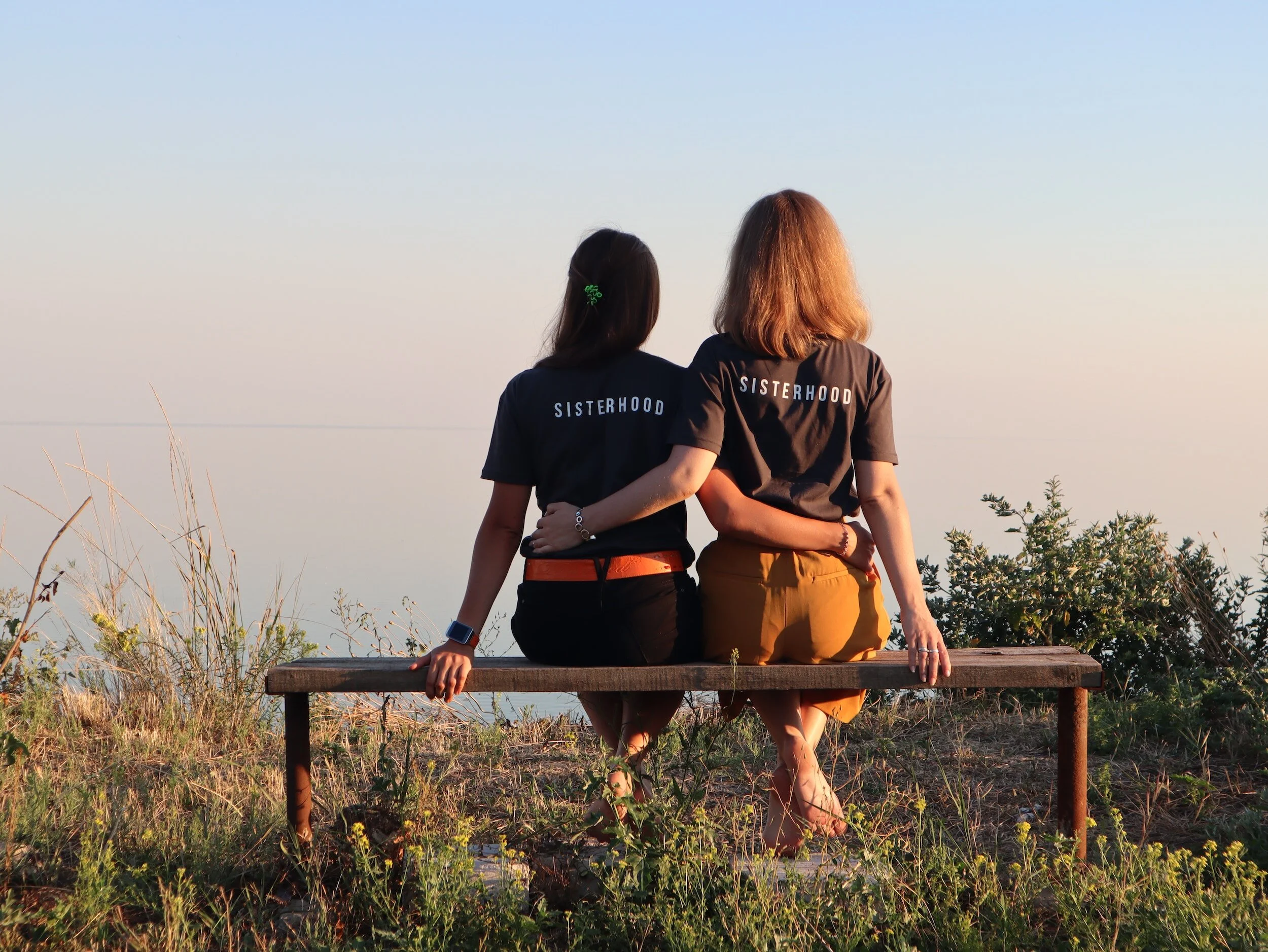
I consistently hear the perception, sometimes mentioned in a shameful whisper, and sometimes with indignant conviction, that women don’t support other women. I hear it in workshops, coaching sessions and over coffee with friends. And reader, let me tell you, there is so much here to discuss! But it’s probably not what you think…
In fact, this topic is so deeply complex and fascinating that it can fill books. So, in this two-part series, we’ll focus on the following basics: What’s actually going on, why it’s happening, and what we can do about it. Before we can talk about the solutions, we need to understand the reality of what’s happening.
My “Pilot Program” for Independence
Let’s Talk About Boundaries
“The word boundaries is scary,” mused the executive consultant sitting next to me. “Perhaps there’s a less emotional word you can use.” We were chatting about how best to frame the workshop that I had developed for women in masculine professional environments. Sitting there, on the coast of a peaceful wind-swept Greek island, that word still managed to register a subtle blip of discomfort.