
Even Our Brains Need Zoomies Sometimes

Our brains need unstructured time. Just as our bodies need movement, rest, and sleep, our minds also need space to wander, reflect, connect ideas, and work through problems in the background.

In this final installment of our “Listening for the Signals” series, we explore the value of unstructured thinking time and mental white space. Drawing on research related to the Default Mode Network and Task Positive Network, this article considers why our best ideas often arrive when we are walking, showering, driving, or stepping away from the task at hand.

For individuals, leaders, and organizations, the challenge is in learning how to create the conditions for both focused execution and deeper strategic thinking.

Crying in Coaching: When Emotions Enter the Chat

Nearly every time a client cries during a coaching session, the tears come with an apology. But emotion is not out of place in coaching, and it does not automatically turn the conversation into therapy. Tears may simply signal that we’ve brushed up against something important, even when we don’t yet know exactly what that is.

“I Just Need To”: The Coaching Red Flag That Tells Us There’s More Going On

When we say “I just need to,” we may be flattening a complex challenge into a simple task. That little phrase can be a clue that something deeper needs curiosity, not self-criticism.

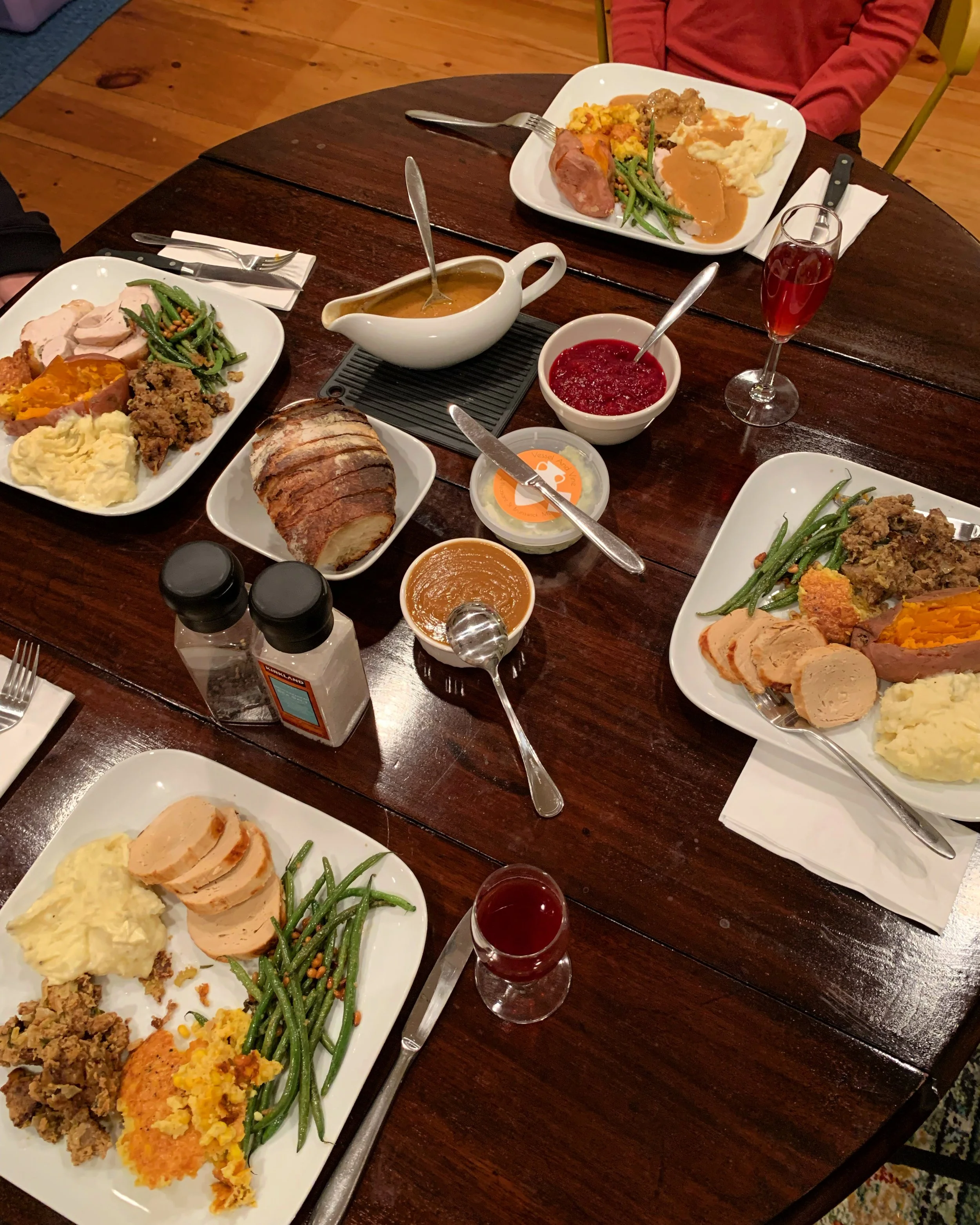
A Thanksgiving Reflection on Gratitude, Leadership, and Savory Bread Pudding

A Thanksgiving Reflection on Gratitude, Leadership, and Savory Bread Pudding

Thanksgiving can be a complicated holiday. The history is whitewashed. The family dynamics can be messy. The expectations to perform warmth and connection are real. And the intense barrage of consumerist messaging can be absolutely exhausting.

And yet… it remains my favorite holiday of the year. 

This Performance Cycle, Ditch Gold and Go For Platinum

‘Tis the spooky season, y’all. The “Performance Cycle Season.” Whether this is the “mid-year” check-in point, or the year-end rack-and-stack exercise of deciding who gets a slice of the bonus pie, it’s that time of year when folks are doling out feedback and assigning ratings. The performance cycle is often viewed as a necessary evil: administrative, exhausting, and of low value. Something leaders try to survive rather than leverage.

Confidence, Compassion, and the Power of Perception — Part 2

Confidence, Compassion, and the Power of Perception — Part 2

In Part 1, we explored how patience, curiosity, and safety can allow an animal—or a human—to reveal their full self. We saw how behavior under stress isn't a fixed identity, and how presence and belief can transform outcomes.

In this installment, we shift from observation to introspection. What does it actually take to build confidence? And what well-intended advice might be quietly eroding it?

You Don’t Have to Do It All Yourself

"It’s just easier if I do it myself."

This is a common refrain that comes up with my coaching clients, whether I’m working with an overwhelmed parent, a startup founder, or a C-suite leader. Most of us don’t think of ourselves as micromanagers or needing control. We just care and want things done well. In many cases, we’ve been burned before. Perhaps we have a pile of evidence that we can’t or shouldn’t rely on others. How often have we heard the tired cliché (often attributed to Napoléon Bonaparte*): “If you want a thing done well, do it yourself.” 

The Case for (Self) Compassion

I watched my boss hurriedly hit the mute button. We were onboard a floating production storage and offloading (FPSO), floating in the Atlantic Ocean, and dialed into a large international call with operations leaders from around the world.

“Welp, I messed that one up! Yikes.” He chuckled and shook his head. I stood by his desk, transfixed, watching in awe as he let his faux pas roll right off his back.